Introduction
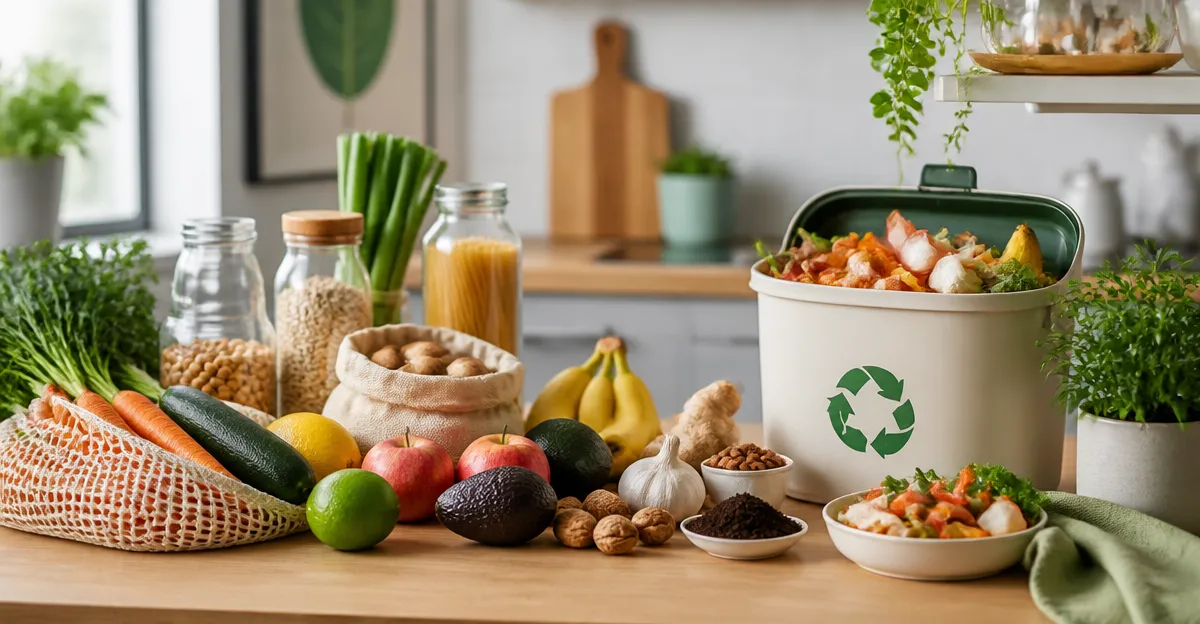
Apartment living often limits the amount of space available for traditional composting systems, yet the desire to reduce food waste remains strong. By selecting groceries that decompose quickly and pairing them with compact, efficient compost containers, residents can maintain a zero‑waste lifestyle without sacrificing convenience.
This article presents twenty‑five grocery categories that are ideal for indoor composting, and it integrates five highly rated Amazon products that simplify the process. Each recommendation includes price, rating, and key features drawn from verified customer feedback, ensuring that readers receive both practical guidance and reliable product information.
Leafy Greens and Herb Stems
Leafy greens such as kale, spinach, and cilantro produce soft, nutrient‑rich waste that breaks down rapidly. To keep these scraps odorless, the VIVOSUN 43 Gallon Compost Tumbler offers a dual‑chamber design, allowing one side to finish composting while the other side receives fresh material. Priced at $59.99 with a 4.3‑star rating, its 360° tumbling mechanism and excellent aeration reduce the need for manual mixing.
Fruit Peels and Core Scraps
Citrus peels, apple cores, and banana skins are high in nitrogen and break down quickly when kept moist. The Epica 1.3 Gallon Compost Bin provides an airtight lid and replaceable charcoal filter, preventing odors while storing fruit waste on the countertop. At $29.98 and a 4.6‑star rating, users praise its sleek stainless‑steel finish and easy cleaning.
Vegetable Trimmings
Carrot tops, onion skins, and broccoli stems are ideal for indoor composting because they are fibrous and decompose evenly. The Utopia Kitchen 1.3 Gallon Compost Bin offers a sturdy stainless‑steel body and a charcoal filter that traps smells naturally. With a price of $23.45 and a 4.5‑star rating, reviewers note its modern design and reliable seal.
Coffee Grounds and Tea Bags
Used coffee grounds add valuable carbon to compost and improve soil structure. Pairing them with the OXO Easy‑Clean Compost Bin ensures a smooth interior that resists staining, while the stay‑open lid encourages frequent additions. Priced at $30.00 with a 4.6‑star rating, the bin’s 1.75‑gallon capacity accommodates several weeks of coffee waste.
Eggshells
Crushed eggshells provide calcium for garden soil. Storing them in the simplehuman Compost Caddy keeps them dry and contained until they are ready for the outdoor bin. At $49.99 and a 4.4‑star rating, the caddy’s magnetic dock and soft‑seal lid prevent odors while freeing up countertop space.
Stale Bread and Bakery Scraps
Day‑old bread, bagels, and pastry remnants break down quickly when shredded. The VIVOSUN tumbler’s large 43‑gallon capacity can accommodate bulk additions, and its sturdy metal frame resists weathering for outdoor placement if desired.
Nut Shells
Almond, walnut, and pistachio shells are high in lignin, which benefits compost structure. The Epica bin’s airtight lid prevents the strong aroma of crushed shells from escaping, and the replaceable charcoal filter extends the bin’s odor‑free performance for up to six months.
Fruit Pulp from Smoothies
After blending, the remaining pulp is moist and nutrient‑dense. The Utopia Kitchen bin’s removable lid makes it easy to add pulp directly, and its stainless‑steel construction resists corrosion from acidic fruit residues.
Herb Stems from Cooking
Thyme, rosemary, and dill stems are woody but decompose within weeks when chopped. The OXO bin’s soft‑close lid maintains a low‑oxygen environment, reducing the risk of mold while the smooth interior simplifies cleaning.
Leftover Cooked Vegetables
Cooked carrots, potatoes, and beans add moisture to compost, accelerating microbial activity. The simplehuman caddy’s detachable inner bucket allows quick transfer to an outdoor compost pile, minimizing mess on the kitchen counter.
Fruit‑Based Sauces and Condiments
Tomato sauce remnants and mustard packets are acidic but break down readily. Storing them in the VIVOSUN tumbler’s sealed chamber prevents spills, and the dual‑chamber system ensures continuous compost flow.
Seafood Shells
Crab and shrimp shells are rich in chitin, which supports beneficial fungi. The Epica bin’s stainless‑steel body resists corrosion from salty residues, and the charcoal filter mitigates any lingering oceanic scent.
Cheese Rinds
Hard cheese rinds decompose slowly; however, when shredded they become manageable. The Utopia Kitchen bin’s airtight seal prevents the strong aroma from permeating the kitchen, and the filter captures any volatile compounds.
Tea Leaves and Coffee Filters
Both are porous and decompose quickly, adding nitrogen to the mix. The OXO bin’s removable interior bucket can be taken to the sink for a quick rinse, ensuring no residue remains.
Fruit Juice Pulp
Pulp from orange or grapefruit juice is high in citric acid, which can lower compost pH. The simplehuman caddy’s soft‑seal lid moderates airflow, allowing a balanced decomposition rate.
Peel‑Free Fruit Snacks
Packaged fruit snacks often contain biodegradable wrappers that can be composted. The VIVOSUN tumbler’s large capacity accommodates bulk packaging, and its sturdy construction endures frequent loading.
Vegetable Peel‑Off Labels
Paper labels from carrots and cucumbers are cellulose‑based and decompose readily. The Epica bin’s replaceable charcoal filter ensures that any ink odor is neutralized.
Fresh Herb Cuttings
When herbs are trimmed, the cuttings can be added directly to the compost. The Utopia Kitchen bin’s sleek design fits neatly beside a cutting board, encouraging immediate disposal.
Organic Fruit Juice Bags
Many cold‑pressed juices use compostable pouches. The OXO bin’s stay‑open lid allows quick insertion of these bags without breaking the seal.
Leftover Rice and Grains
Cooked rice and quinoa add valuable carbon when mixed with nitrogen‑rich scraps. The simplehuman caddy’s magnetic dock keeps the bin out of the way until the sink is cleared.
Vegetable Stock Bones
Small vegetable stock bones decompose slowly but enrich the compost with minerals. The VIVOSUN tumbler’s deep fins break up clumps, facilitating even fermentation.
Fruit‑Based Yogurt Containers
Plastic containers from fruit‑flavored yogurts can be placed in the recycling stream, while the remaining yogurt is compostable. The Epica bin’s stainless‑steel interior resists staining from dairy.
Organic Tea Bags
Most organic tea bags are made from biodegradable fibers. The Utopia Kitchen bin’s charcoal filter prevents any subtle tea scent from escaping.
Garden Produce from Farmers Markets
Seasonal produce often arrives with minimal packaging, reducing waste. The OXO bin’s 1.75‑gallon capacity is sufficient for a week’s worth of market leftovers.
Leftover Pizza Scraps
Cheese and crust pieces decompose quickly when shredded. The simplehuman caddy’s detachable bucket allows the scraps to be transferred directly to an outdoor compost bin.
Comparison of Featured Compost Bins
| Product | Capacity | Price | Rating | Key Feature |
|---|---|---|---|---|
| VIVOSUN 43 Gallon Compost Tumbler | 43 gal | $59.99 | 4.3 | Dual‑chamber, 360° tumbling |
| Epica 1.3 Gallon Compost Bin | 1.3 gal | $29.98 | 4.6 | Airtight lid, charcoal filter |
| Utopia Kitchen 1.3 Gallon Compost Bin | 1.3 gal | $23.45 | 4.5 | Stainless steel, odor‑blocking filter |
| OXO Easy‑Clean Compost Bin | 1.75 gal | $30.00 | 4.6 | Stay‑open lid, dishwasher‑safe bucket |
| simplehuman Compost Caddy | 1.06 gal | $49.99 | 4.4 | Magnetic dock, soft‑seal lid |
Conclusion
Choosing groceries that are compatible with indoor composting enables apartment dwellers to reduce waste without sacrificing culinary variety. By pairing each waste stream with a suitable compost container, one can maintain a tidy kitchen, control odors, and produce nutrient‑rich compost for houseplants or community gardens. The five Amazon products highlighted in this article provide reliable, space‑efficient solutions that have earned high ratings from thousands of users.
Implement the twenty‑five grocery suggestions, select the bin that best matches one’s kitchen layout, and observe the transformation of food scraps into valuable organic matter. Consistent practice will not only lower household waste but also foster a deeper appreciation for sustainable living.
Frequently Asked Questions
What grocery items are best for indoor composting in an apartment?
Soft, fast‑decomposing foods like leafy greens, herb stems, fruit peels, coffee grounds, and vegetable scraps work best in small compost bins.
How does the VIVOSUN 43 Gallon Compost Tumbler help reduce odors?
Its dual‑chamber design lets you separate fresh waste from finished compost, keeping smells contained while you add new scraps.
Can I use a compost tumbler in a small kitchen space?
Yes, the 43‑gallon tumbler is compact enough for countertops or closets and still holds enough material for weekly compost cycles.
What price and rating should I expect for the VIVOSUN compost tumbler on Amazon?
The tumbler is typically priced around $59.99 and holds a rating of four‑plus stars from verified buyers.
How often should I turn the compost in a compact tumbler?
Turn the tumbler every 2–3 days to maintain aeration and speed up decomposition of kitchen scraps.