Introduction
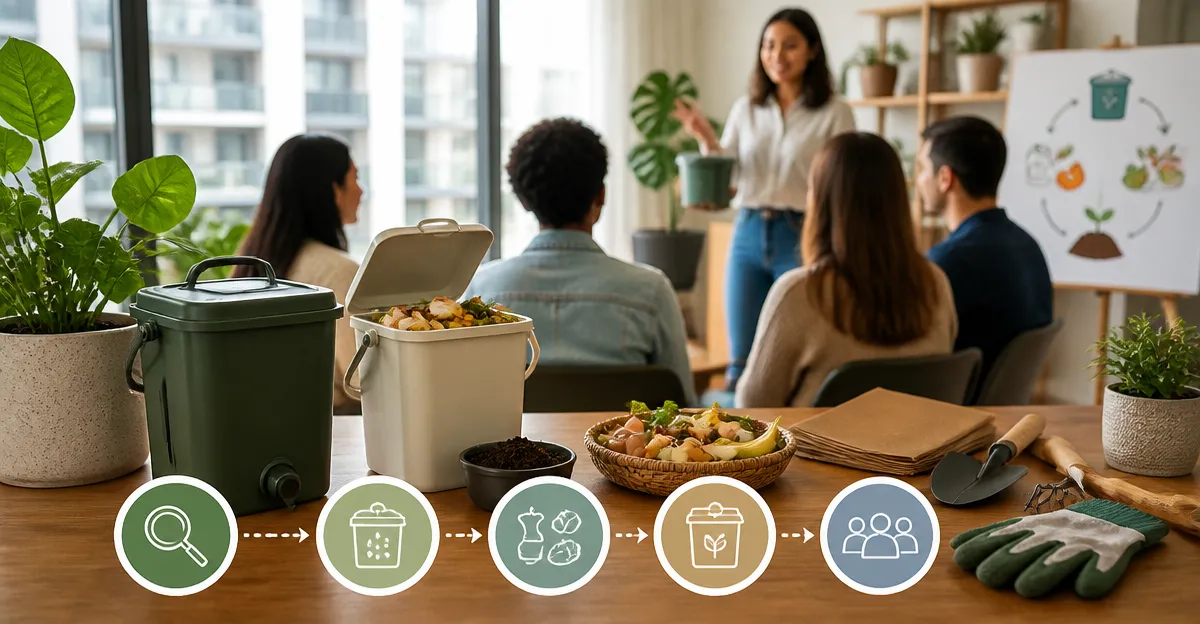
This guide explains how to develop a comprehensive composting workshop curriculum for apartment residents. It covers curriculum planning, material preparation, hands‑on activities, and evaluation methods. By following the steps, one can empower residents to reduce waste and improve sustainability. The information is valuable for property managers, community organizers, and educators who seek to foster environmental stewardship.
What You'll Need
- Educational handouts and presentation slides
- Sample composting containers for demonstration
- Protective gloves and cleaning supplies
- Access to a shared composting area or outdoor space
- Budget for purchasing a few high‑quality compost bins
Below are recommended products that serve as reliable tools for each phase of the workshop.
Step 1: Define Learning Objectives
Begin by outlining clear objectives such as understanding the composting cycle, identifying suitable kitchen scraps, and mastering bin maintenance. Write objectives in measurable language so that participants can track progress. Include a brief overview of the environmental benefits of diverting organic waste from landfills. This foundation ensures that every subsequent activity aligns with the desired outcomes.
Step 2: Select Demonstration Bins
Choose compact countertop bins that illustrate odor control and ease of cleaning. The Epica Kitchen Compost Bin offers a 1.3‑gallon stainless‑steel body, a replaceable charcoal filter, and a rust‑resistant design. It is priced at $29.98 and holds a rating of 4.6 out of 5 stars from over 20,000 reviews. This bin is useful because its airtight lid demonstrates how to contain odors in a small apartment kitchen.
Another viable option is the OXO Easy‑Clean Compost Bin. Priced at $24.79 with a 4.6‑star rating, it features a flip‑up lid, smooth interior walls, and a rotating handle for easy transport. The simplicity of the lid mechanism helps participants see how one‑handed operation reduces mess during daily use.
Step 3: Prepare Educational Materials
Create slide decks that explain the carbon‑to‑nitrogen ratio, moisture balance, and the role of microorganisms. Include diagrams that compare aerobic and anaerobic processes. Provide printable cheat sheets that list “greens” and “browns” for quick reference. Ensure that the language is accessible yet detailed enough for residents with basic scientific knowledge.
Step 4: Design Hands‑On Activities
Organize a station where participants can practice filling a bin with appropriate scraps. Use the VermiHut 5‑Tray Worm Composter to demonstrate vermicomposting. This terracotta system costs $84.00, carries a 4.6‑star rating, and includes five stackable trays that illustrate the migration of worms as compost matures. The visual progression helps learners understand how organic matter is transformed into nutrient‑rich castings.
For residents interested in larger‑scale outdoor composting, the Nazhura Dual Chamber Compost Tumbler provides a practical example. Priced at $58.95 with a 4.4‑star rating, it features a dual‑bin design that allows continuous feeding while the opposite chamber completes the decomposition cycle. Demonstrating the tumbler’s rotating mechanism illustrates how aeration accelerates the process.
Step 5: Incorporate Safety and Hygiene Practices
Teach participants to wear gloves when handling waste and to rinse bins regularly. Emphasize the importance of using charcoal filters, as found in both the Epica and Utopia bins, to prevent odors and deter pests. Explain how to line bins with newspaper or compostable bags to simplify cleanup. These practices reduce the risk of cross‑contamination and maintain a pleasant indoor environment.
Step 6: Schedule the Workshop Series
Plan a series of sessions that progress from theory to practice. A typical schedule might include an introductory lecture, a bin‑setup demonstration, a worm‑composting hands‑on lab, and a final Q&A. Allocate 60‑90 minutes per session to keep participants engaged without overwhelming them. Provide reminder emails and post signage in communal areas to encourage attendance.
Step 7: Evaluate Participant Learning
Develop short quizzes that assess understanding of key concepts such as proper scrap segregation and moisture management. Use observation checklists during hands‑on activities to gauge skill acquisition. Collect feedback surveys to identify areas for improvement in future workshops. Continuous evaluation ensures that the curriculum remains effective and responsive to resident needs.
Tips & Pro Tips
- Start with a pilot group of enthusiastic residents to refine the curriculum before scaling up.
- Display a visual composting guide near each bin to reinforce proper usage.
- Consider offering a small incentive, such as a reusable tote bag, to participants who complete the series.
- When using the Utopia Kitchen Compost Bin, remind users to replace the charcoal filter every three months for optimal odor control.
- Maintain a log of bin fill levels to schedule timely emptying and avoid overflow.
Troubleshooting
Problem: Persistent odor despite using a charcoal filter.
Solution: Verify that the filter is not saturated; rinse it gently with warm water and allow it to air dry before reinserting. Replace the filter if it has been in use for more than six months.
Problem: Worms escaping from the VermiHut.
Solution: Ensure the lid is securely closed and use a damp newspaper layer on top of the bedding to create a barrier against flies and excess moisture.
Problem: Tumbler becomes difficult to turn.
Solution: Distribute material evenly between the two chambers and turn the drum when the contents are moist but not soggy. Lubricate the axle with a silicone spray if resistance persists.
Conclusion
This step‑by‑step guide equips property managers and educators with the tools to create an engaging apartment composting workshop curriculum. By defining clear objectives, selecting appropriate demonstration bins, and incorporating hands‑on activities, residents can develop confidence in managing organic waste. Ongoing evaluation and troubleshooting ensure long‑term success and foster a culture of sustainability within the community.
Products Mentioned in This Guide
Frequently Asked Questions
What are the key learning objectives for an apartment composting workshop?
Objectives typically include understanding the composting cycle, identifying compostable kitchen scraps, and mastering bin maintenance and troubleshooting.
What materials and supplies are essential for a hands‑on composting session?
You’ll need educational handouts, presentation slides, sample compost bins, protective gloves, cleaning supplies, and access to a shared composting area.
How can property managers budget for compost bins and workshop resources?
Allocate funds for a few high‑quality bins, reusable gloves, and printed materials; bulk purchasing and community donations can lower costs.
What evaluation methods help measure workshop success?
Use pre‑ and post‑workshop quizzes, participant feedback surveys, and track the amount of waste diverted to compost over time.
How can residents be encouraged to maintain the composting system after the workshop?
Provide clear maintenance checklists, schedule regular drop‑off points, and create a resident stewardship committee to oversee ongoing care.