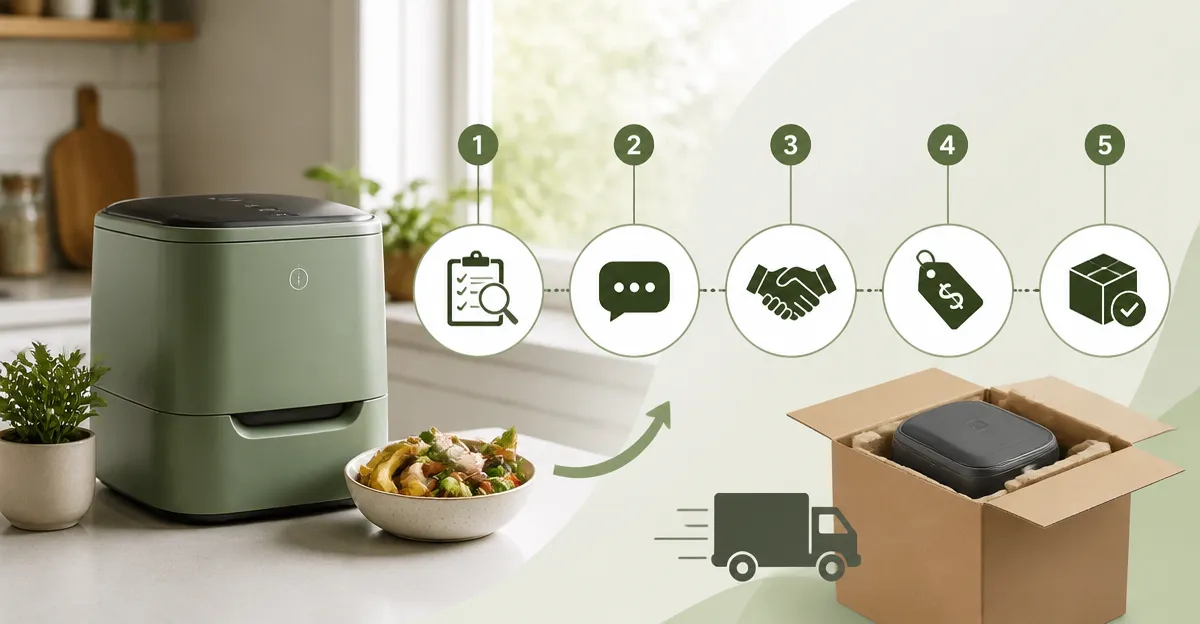
How to Negotiate a Countertop Composter Trade-In Program: Step-by-Step Guide to Maximize Value and Savings
Introduction
The modern kitchen increasingly incorporates sustainable practices, and a countertop composter is a central element of that movement. This guide explains how one can negotiate a trade‑in program that extracts maximum monetary value while ensuring a smooth transition to a newer, more efficient model. Readers will learn how to evaluate their current setup, prepare a compelling proposal, and leverage product knowledge to secure the best possible deal.
Each step is presented with actionable instructions and recommendations for tools that simplify the process. Although the guide stands on its own, the inclusion of specific compost bins demonstrates how the right equipment can enhance both negotiation and daily use. By following the outlined procedure, one can reduce waste, improve kitchen ergonomics, and achieve significant cost savings.
What You’ll Need
- simplehuman Compost Caddy – $49.99, 4.4/5 rating (2,173 reviews)
- Kazai Elin Compost Bin – $39.95, 4.6/5 rating (477 reviews)
- Epica Compost Bin – $29.98, 4.7/5 rating (20,808 reviews)
- Blue Ginkgo Compost Bin – $23.99, 4.6/5 rating (4,145 reviews)
- Perfnique Compost Bin – $22.49, 4.7/5 rating (968 reviews)
- Measuring tape, notebook, and a calculator
- Access to retailer or manufacturer customer service channels
Step 1: Assess Your Current Composting Setup
The first action is to document the existing countertop composter, its condition, and any accessories that accompany it. One should note the model, capacity, and any wear that may affect resale value. Using the simplehuman Compost Caddy as a benchmark provides a clear reference point because its magnetic dock and soft‑seal lid are widely recognized features. Record the dimensions, material (stainless steel), and any included liners, as these details influence trade‑in assessments.
Photograph the unit from multiple angles, focusing on the lid mechanism, inner bucket, and any cosmetic damage. High‑quality images improve credibility when presenting the trade‑in request to a retailer. Finally, gather the original purchase receipt or order confirmation; proof of purchase often strengthens the negotiation position.
Step 2: Research Trade‑In Policies
Different retailers and manufacturers maintain distinct trade‑in programs, and understanding those variations is essential. Visit the official websites of major kitchen appliance sellers, as well as the brands that produce the compost bins listed above. Look for sections titled "Trade‑In" or "Recycling Program" and note eligibility criteria, such as age limits, condition requirements, and accepted product categories.
Some programs offer a flat credit, while others calculate value based on the current market price of a comparable new unit. Document the stated percentages or dollar amounts, and compare them across at least three sources. This comparative analysis creates leverage when proposing a higher credit based on competitive offers.
Step 3: Quantify Your Current Inventory
Accurately estimating the monetary worth of the existing composter requires a clear inventory of all components. The Kazai Elin Compost Bin includes a removable inner bucket that accommodates standard liners; measuring the volume of the inner bucket (4.5 L) provides a baseline for capacity comparison. Use a measuring tape to record the width, depth, and height of the bin, then calculate the cubic volume.
List each accessory—such as charcoal filters, liners, and mounting hardware—with its approximate retail cost. For example, a pack of 30 Code Z compostable liners (included with the simplehuman Caddy) has an estimated value of $5. Adding these items to the inventory ensures the trade‑in proposal reflects the full package, not merely the primary container.
Step 4: Determine Desired Replacement Features
Before entering negotiations, one must define the specifications of the replacement composter. Consider factors such as capacity, odor control technology, dishwasher safety, and aesthetic integration with kitchen décor. The following products illustrate a range of options:
- Epica Compost Bin – Stainless steel construction, airtight lid, replaceable activated‑charcoal filter; priced at $29.98 with a 4.7/5 rating.
- Blue Ginkgo Compost Bin – Compact 2.6 L design, filter‑free odor seal, dishwasher‑safe plastic; priced at $23.99 with a 4.6/5 rating.
- Perfnique Compost Bin – Cream‑colored metal exterior, dual carbon filters, removable plastic inner pail; priced at $22.49 with a 4.7/5 rating.
Selecting a model that aligns with personal preferences simplifies the negotiation narrative: one can argue that the trade‑in credit should cover the price difference between the old unit and the chosen replacement. Highlighting specific features—such as the Epica’s stainless‑steel durability or the Blue Ginkgo’s space‑saving footprint—demonstrates informed decision‑making.
Step 5: Prepare a Value Proposition
Compile the data gathered in the previous steps into a concise proposal. Begin with a brief introduction stating the intent to trade in the current composter for a newer model. Follow with a table that lists the current unit’s estimated resale value, the cost of the desired replacement, and the net amount the customer expects to receive or pay.
Example table (values are illustrative):
| Item | Estimated Value |
|---|---|
| simplehuman Compost Caddy (used) | $30.00 |
| Included liners (30‑pack) | $5.00 |
| Desired Epica Compost Bin | $29.98 |
| Net Balance | $4.98 credit |
Attach the photographs and receipts collected in Step 1. A well‑structured document conveys professionalism and increases the likelihood of a favorable response.
Step 6: Initiate Contact with Retailer or Manufacturer
Reach out through the preferred communication channel—typically email or a dedicated customer‑service portal. Use a courteous tone, reference the trade‑in policy discovered in Step 2, and attach the value proposition prepared in Step 5. Mention the specific product model you wish to acquire, such as the Epica Compost Bin, to demonstrate clear intent.
If the retailer offers a phone line for trade‑ins, prepare a script that mirrors the written proposal. Speaking directly can expedite the process, but always follow up with an email that reiterates the agreed points for record‑keeping.
Step 7: Negotiate Terms and Conditions
During the negotiation, focus on three primary levers: credit amount, shipping logistics, and warranty coverage for the new unit. If the initial offer falls short of the calculated net balance, reference competing programs identified in Step 2 as benchmarks. For example, if another retailer provides a 20 % credit on similar models, request a matching or higher amount.
Address shipping by asking whether the retailer will provide a prepaid label for the return of the used composter. Many programs include free return shipping as part of the service, and securing this benefit reduces out‑of‑pocket expenses. Finally, inquire about an extended warranty on the replacement bin; a modest increase in coverage can be justified by the long‑term sustainability goals of the customer.
Step 8: Finalize the Agreement and Arrange Logistics
Once both parties agree on the credit, shipping, and warranty terms, obtain a written confirmation. This may be an email receipt or a PDF contract. Verify that the document lists the exact credit amount, the model and price of the new composter, and any conditions related to the return of the old unit.
Prepare the used composter for shipment by cleaning it thoroughly—remove any residual food waste, rinse the inner bucket, and allow it to dry. Pack the unit in its original box if available; otherwise, use a sturdy cardboard box with adequate padding to prevent damage during transit. Attach the prepaid shipping label, and schedule a pickup or drop‑off as instructed by the retailer.
Tips & Pro Tips
- Maintain a spreadsheet of all communications; timestamps help resolve disputes.
- When negotiating, frame the conversation around mutual benefit: the retailer gains a refurbished unit, and the customer receives a credit.
- Consider bundling accessories—such as the Blue Ginkgo Compost Bin with its filter‑free design—to increase perceived value.
- If the retailer declines a higher credit, ask whether a store credit or gift card could be offered instead.
- Schedule the trade‑in during promotional periods, such as Earth Day sales, when companies are more inclined to offer incentives.
Troubleshooting
Problem: The retailer refuses to accept the used composter because it does not meet condition requirements.
Solution: Provide additional photos that demonstrate the unit is functional, and offer to ship it for a nominal inspection fee. Emphasize that the magnetic dock and soft‑seal lid of the simplehuman Compost Caddy are still operational, which preserves resale value.
Problem: The offered credit is lower than the calculated net balance.
Solution: Reference the competitor policy documented in Step 2 and request a price match. If the retailer remains firm, negotiate for a complimentary accessory, such as an extra set of carbon filters for the Perfnique Compost Bin.
Conclusion
Negotiating a countertop composter trade‑in program requires careful preparation, clear communication, and strategic use of product knowledge. By assessing the existing unit, researching policies, quantifying inventory, and defining desired replacement features, one can construct a compelling value proposition. Effective negotiation leverages comparative offers, seeks favorable shipping and warranty terms, and culminates in a documented agreement that maximizes savings. Implementing the steps outlined in this guide enables households to transition to more efficient composting solutions while reinforcing sustainable practices.
Products Mentioned in This Guide
Frequently Asked Questions
What factors should I consider when evaluating my current countertop composter for a trade‑in?
Assess the unit’s age, condition, functionality, and any remaining warranty, and compare its features to newer models to gauge depreciation.
How can I prepare a compelling trade‑in proposal to maximize value?
Gather documentation of purchase, performance metrics, and any accessories, then outline the benefits of upgrading for both you and the retailer.
Which product details are most effective when negotiating with retailers?
Highlight the composter’s brand reputation, current market demand, and any unique features that make it attractive for resale or refurbishment.
Are there specific tools or accessories that can boost my trade‑in offer?
Including items like a simplehuman Compost Caddy or other compatible accessories demonstrates added value and can increase the trade‑in credit.
What steps should I follow to ensure a smooth transition to a new composter model?
Schedule the pickup, back up any data or settings, clean the old unit, and confirm installation instructions for the new model before finalizing the trade‑in.