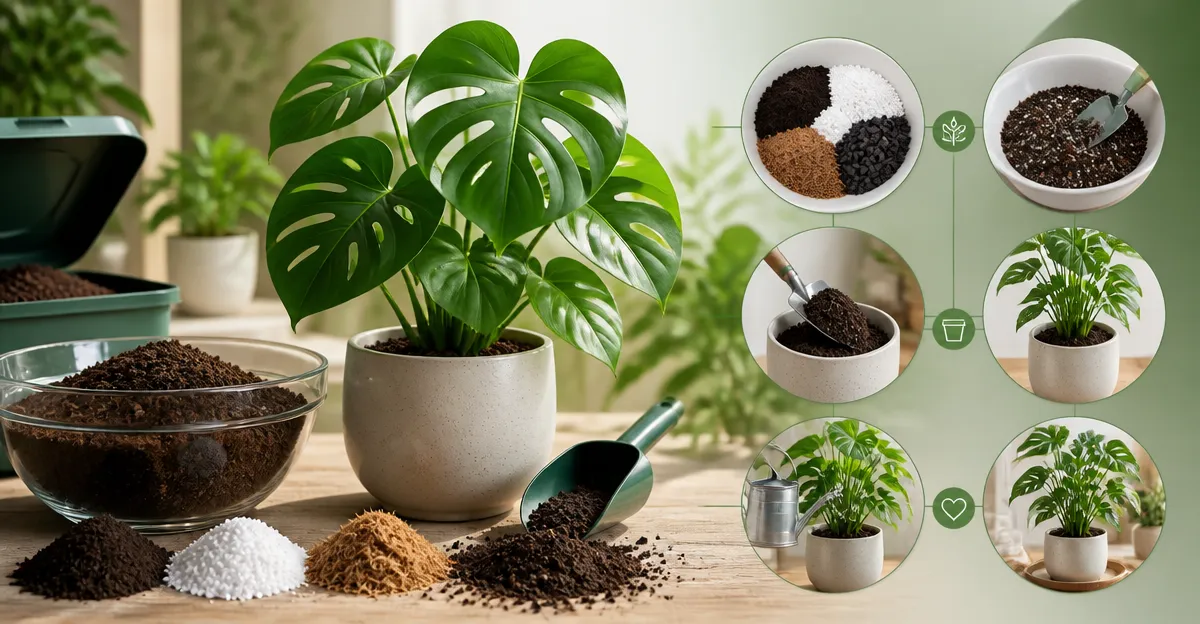
How to Upcycle Processed Compost for Houseplants: Best Mixing Ratios for Healthy, Thriving Indoor Plants
Introduction
Indoor gardening enthusiasts often wonder how to transform bulk compost into a balanced medium that supports houseplants without creating soggy or nutrient‑imbalanced conditions. This guide explains the science behind compost upcycling, presents optimal mixing ratios, and demonstrates how to incorporate three highly rated Amazon products to achieve consistent results. By following the steps, readers will reduce waste, improve soil structure, and enjoy more vigorous foliage.
The process is valuable because it allows gardeners to reuse processed compost that might otherwise be discarded, while providing a cost‑effective alternative to commercial potting mixes. Moreover, the recommended products enhance aeration, microbial activity, and nutrient availability, which are critical for indoor plant health.
One will finish this guide with a clear, repeatable recipe, practical troubleshooting tips, and a curated list of tools that have proven performance on Amazon.
What You'll Need
- Processed compost (store‑bought or home‑made)
- Wiggle Worm Pure Worm Castings – 40 lb bag
- Miracle‑Gro Potting Mix – 2‑pack, 16 qt each
- Garden Magic Peat & Manure Blend – 40 lb bag
- Measuring container (1 L or 1 qt)
- Large mixing bucket (at least 10 L)
- Garden trowel or sturdy spoon
- Optional: pH meter for fine‑tuning acidity
Step‑by‑Step Instructions
1. Assess Your Base Compost
The first step is to evaluate the texture, moisture, and nutrient content of the processed compost you intend to upcycle. Feel the material; it should be crumbly, not compacted, and hold moisture without dripping. If the compost feels overly dense, it will require additional aeration agents.
Why this matters: Dense compost restricts root oxygen, leading to root rot in indoor pots. Adding lightweight amendments improves drainage and creates a more “living” soil environment.
At this stage, no external product is required, but you may wish to measure pH (ideal range 6.0‑6.8 for most houseplants). Adjustments can be made later with the products described below.
2. Introduce Aeration and Microbial Boosters
To increase aeration and microbial activity, blend in Wiggle Worm Pure Worm Castings. This product combines pure worm castings with worm egg material, providing natural channels for air and water while introducing beneficial microbes.
Recommended ratio: 1 part worm castings to 4 parts base compost. For a 5‑liter batch, use 1 liter of castings and 4 liters of compost. The castings are odor‑free, priced at $43.85, and hold a 4.6‑star rating from 978 reviewers, indicating reliable performance.
Mix thoroughly with a trowel until the castings are evenly distributed. The worm egg material may hatch, creating tiny tunnels that further improve soil structure over time.
3. Add Nutrient‑Rich Base Soil
Next, incorporate Miracle‑Gro Potting Mix. This blend is formulated for outdoor containers but works equally well indoors when mixed with compost, delivering a balanced supply of nitrogen, phosphorus, and potassium for up to six months.
Use a 2:1 ratio of compost (including worm castings) to potting mix. Continuing the 5‑liter example, add 2.5 liters of Miracle‑Gro mix. The product costs $17.60 for two 16‑qt bags and enjoys a 4.6‑star rating from over 19,000 reviewers, confirming its effectiveness.
The potting mix contains peat, perlite, and a slow‑release fertilizer, which together improve water retention while preventing the medium from becoming compacted.
4. Enhance Organic Matter and Moisture Retention
Finally, blend in Garden Magic Peat & Manure Blend. This product supplies additional organic matter, essential micronutrients, and a light, airy texture that mimics natural forest floor conditions.
Apply a 1:3 ratio of peat‑manure blend to the existing mixture. For the ongoing batch, add roughly 0.8 liter of the blend. Priced at $26.99, with a 4.6‑star rating from 1,422 reviewers, it offers an odor‑free, ready‑to‑use solution.
Mix until the blend is uniformly distributed. The peat component improves water holding capacity, while the manure contributes nitrogen and trace minerals, rounding out the nutrient profile.
5. Adjust Moisture and Test pH
After all dry components are combined, add water gradually until the medium feels moist but not soggy—similar to a well‑wrung sponge. A typical moisture content of 40‑60 % is ideal for most houseplants.
If a pH meter indicates values outside the 6.0‑6.8 range, make minor adjustments using garden lime (to raise pH) or elemental sulfur (to lower pH). These adjustments are optional and depend on the specific plant species.
Allow the mixture to sit for 24 hours before potting. This resting period enables microbial populations to become active and the blend to settle into a stable structure.
6. Pot Your Houseplants
Fill the selected container with the prepared soil, leaving a 1‑inch space below the rim. Gently firm the soil, then place the plant, ensuring the root ball is at the same depth as it was in its original pot.
Water thoroughly, allowing excess water to drain. Observe the plant over the next week; healthy leaves and steady growth indicate a successful blend.
Repeat the mixing process as needed for new plants or when the soil begins to show signs of compaction after several months.
Tips & Pro Tips
- Store any unused worm castings, potting mix, or peat blend in sealed containers to preserve moisture and prevent contamination.
- For orchids or succulents, reduce the proportion of potting mix and increase perlite or coarse sand to improve drainage.
- When upcycling compost from a municipal source, perform a quick germination test with a few seeds to ensure the material is free of herbicides.
- Layer the final potting mix with a thin top dressing of coarse bark or charcoal to deter mold and improve air flow.
- Re‑mix the soil every 12‑18 months to replenish nutrients and maintain structure.
Troubleshooting
| Problem | Possible Cause | Solution |
|---|---|---|
| Leaves turning yellow | Over‑watering or nutrient imbalance | Allow soil to dry slightly, then add a small amount of additional worm castings for nitrogen. |
| Root rot | Insufficient aeration | Increase the proportion of worm castings or add perlite; repot using the recommended mixing ratios. |
| Stunted growth | Lack of micronutrients | Incorporate more Garden Magic Peat & Manure Blend, which supplies trace minerals. |
Conclusion
By following the outlined steps, one can convert processed compost into a premium indoor potting medium that balances aeration, moisture retention, and nutrient availability. The recommended ratios—4 parts compost, 1 part worm castings, 2 parts potting mix, and 1 part peat‑manure blend—provide a reliable template for a wide range of houseplants.
Utilizing the three Amazon products enhances the blend’s performance while keeping costs reasonable. Whether a novice or experienced indoor gardener, applying these techniques will result in healthier foliage, stronger root systems, and a more sustainable gardening practice.
Products Mentioned in This Guide
Frequently Asked Questions
What is the ideal mixing ratio of processed compost to other media for houseplants?
A common recipe is 1 part processed compost, 1 part peat or coco coir, and 1 part perlite or vermiculite for balanced drainage and nutrition.
Can I use only processed compost for indoor plants?
Pure compost can retain too much moisture and become nutrient‑rich, leading to root rot; it should be mixed with aerating components.
Which Amazon products are recommended to improve aeration and microbial activity?
High‑rated options include a perlite aeration additive, a mycorrhizal inoculant, and a lightweight coconut coir blend.
How do I troubleshoot yellowing leaves after using a compost mix?
Yellowing often signals over‑watering or excess nitrogen; reduce compost proportion, increase drainage media, and let the soil dry between waterings.
What are the environmental benefits of upcycling processed compost for houseplants?
It diverts waste from landfills, reduces the need for new potting mix production, and recycles nutrients back into your indoor garden.