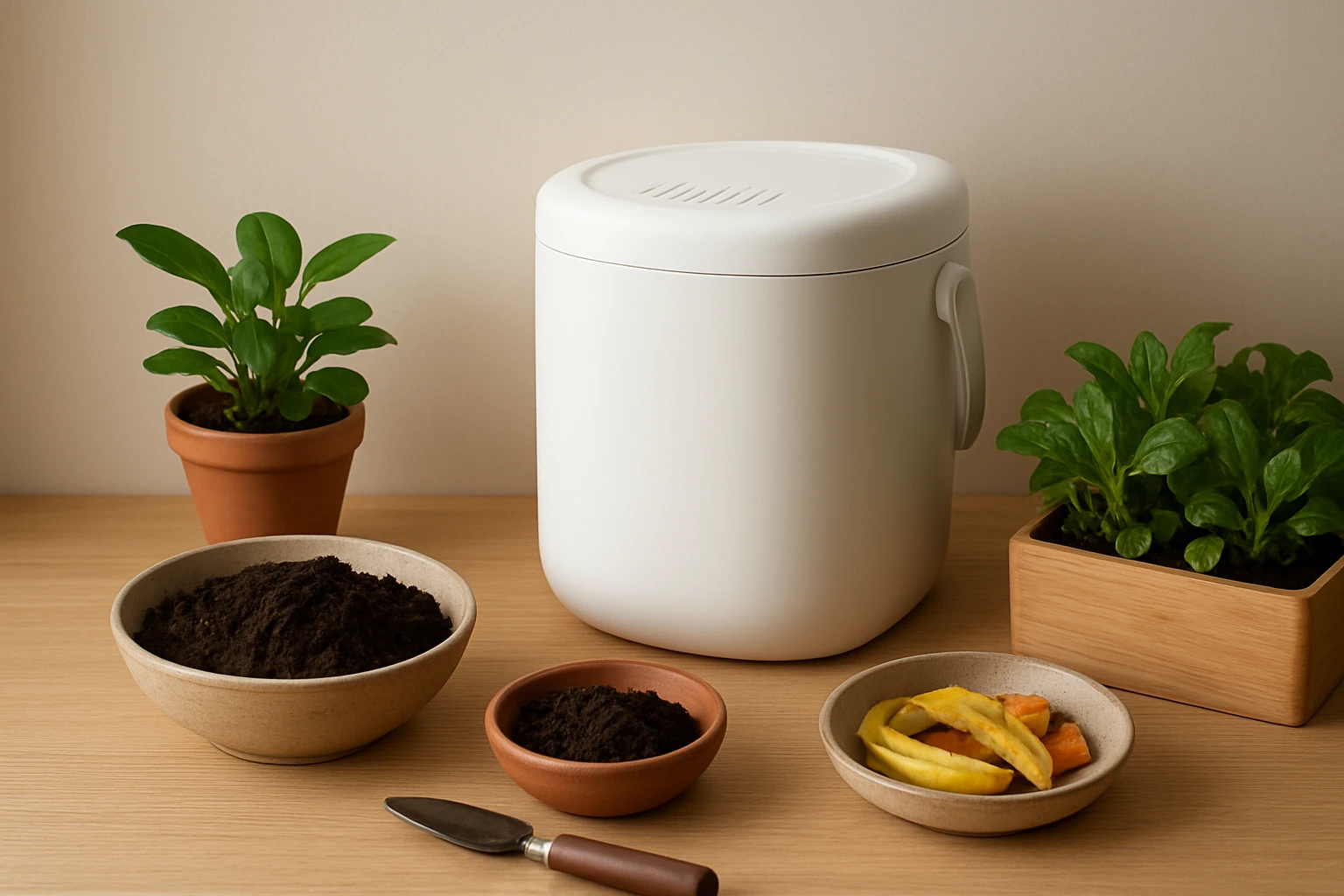
What to Do With Compost From an Indoor Composter Without a Yard: 12 Practical Uses for Apartment & Urban Gardeners
Introduction
Urban dwellers increasingly turn to indoor composters to reduce kitchen waste and create a circular lifestyle. This guide explains how to transform the resulting nutrient‑rich material into valuable resources for apartment living. Readers will learn twelve specific applications, understand the science behind compost, and receive recommendations for two highly rated products that simplify the process.
The article is organized into background information, detailed use cases, a product comparison, best‑practice tips, and a concise FAQ. By the end of the guide, one will be able to integrate indoor compost into daily routines without a traditional garden.
Background / Context
Compost is the product of aerobic decomposition, during which microorganisms break down organic matter into humus, a stable, dark material rich in macro‑ and micronutrients. In an indoor setting, temperature, moisture, and airflow are controlled by the composter, resulting in faster breakdown and minimal odor.
Typical indoor compost contains nitrogen, phosphorus, potassium, calcium, magnesium, and trace elements that support plant growth. It also improves soil structure, water retention, and microbial diversity. For apartment gardeners, the challenge lies in applying compost without a large outdoor plot.
Understanding the nutrient profile helps select appropriate applications. For example, a high‑nitrogen compost is ideal for leafy greens, while a balanced mix benefits flowering plants. The two featured products—Ouaken Electric Kitchen Composter and Utopia Kitchen Countertop Compost Bin—provide reliable means to produce consistent compost in limited space.
1. Soil Amendment for Potted Plants
Mixing a small amount of indoor compost into potting mix enhances nutrient availability and improves texture. A recommended ratio is one part compost to four parts potting soil. This amendment reduces the need for synthetic fertilizers and promotes healthier root development.
For residents who already use a compost bin, the Utopia Kitchen Countertop Compost Bin offers an easy collection point for kitchen scraps before they enter the electric composter.
2. Seed Starting Mix
When germinating seeds, a light, well‑draining medium is essential. Adding 10 % compost to a seed starting mix supplies gentle nutrition without overwhelming delicate seedlings. This practice leads to faster emergence and stronger seedlings.
3. Houseplant Top Dressing
Applying a thin layer of compost on the surface of houseplant soil creates a slow‑release nutrient source. The top dressing also helps retain moisture, reducing watering frequency. Refresh the layer every two to three months for optimal results.
4. Indoor Herb Garden Boost
Herbs such as basil, mint, and cilantro thrive on regular nitrogen inputs. Incorporating a spoonful of compost into the soil of an indoor herb garden every four weeks sustains vigorous leaf production and aromatic flavor.
5. Compost Tea for Foliar Feeding
Compost tea is a liquid extract made by steeping compost in water for 24 hours. Strain the liquid and dilute to a weak tea consistency before spraying on foliage. This foliar feed supplies soluble nutrients and beneficial microbes that protect against disease.
6. Natural Mulch for Balcony Planters
Spreading a thin layer of compost over the surface of balcony planters acts as a mulch, suppressing weed growth and moderating soil temperature. Because compost is lightweight, it does not add excessive load to balcony railings.
7. Worm Feeding for Vermiculture
Red wigglers consume organic waste and convert it into high‑quality worm castings. Adding a handful of indoor compost to a worm bin provides a protein‑rich supplement that accelerates castings production. This closed‑loop system further reduces kitchen waste.
8. Odor‑Neutralizing Scrub for Kitchen Surfaces
Mixing compost with a small amount of liquid soap creates a mildly abrasive scrub that neutralizes odors on cutting boards and countertops. The natural enzymes break down residual food particles while the coarse texture provides gentle cleaning action.
9. Eco‑Friendly Potting Mix for Propagation Cuttings
When rooting stem cuttings, a moist medium that retains some air is crucial. Combine equal parts perlite, coconut coir, and compost to create a propagation mix that encourages rapid root development.
10. Compost‑Infused Pottery Glaze (Advanced)
Artists experimenting with natural pigments can incorporate finely ground compost into low‑temperature ceramic glazes. The iron and manganese content yields earthy tones, and the organic matter burns out during firing, leaving a subtle texture.
11. Soil Conditioner for Community Garden Plots
Many urban apartment residents participate in nearby community gardens. Transporting a bucket of indoor compost to a shared plot enriches the soil and demonstrates sustainable stewardship. The Ouaken Electric Kitchen Composter produces a dry, granulated output that is easy to handle during transport.
12. Homemade Compost‑Based Pet Bedding
For small pets such as hamsters or guinea pigs, a layer of dry compost can serve as an absorbent bedding material. Ensure the compost is fully processed, odorless, and free of pathogens before use. Replace bedding weekly to maintain hygiene.
Comparison / Selection Guide
Choosing the right indoor composting system depends on space, waste volume, and desired output. The table below summarizes key attributes of the two featured products.
| Feature | Ouaken Electric Kitchen Composter | Utopia Kitchen Countertop Compost Bin |
|---|---|---|
| Capacity | 4 L (approximately 1 gal) | 1.3 gal (≈5 L) |
| Power Source | Electric, with low‑noise motor (<40 dBA) | Manual, passive collection |
| Odor Control | Large carbon filter lasting up to five months | Charcoal filter integrated in lid |
| Automation | Three modes: Crush, Ferment, Clean; auto‑clean function | None; requires manual emptying |
| Price | $229.98 | $26.99 |
| Customer Rating | 4.2 / 5.0 (754 reviews) | 4.6 / 5.0 (19,940 reviews) |
| Best For | High‑volume households seeking fast, odorless processing | Budget‑conscious users who prefer a simple collection bin |
For apartment gardeners who generate a large amount of food waste daily, the electric model provides rapid conversion and a dry end product suitable for transport. Conversely, the countertop bin is ideal for users who wish to separate scraps before a slower, external composting method.
Best Practices & Tips
- Maintain a balanced carbon‑to‑nitrogen ratio by adding shredded newspaper or paper towels to meat‑free scraps.
- Keep compost moisture at the consistency of a damp sponge; add a few drops of water if it becomes too dry.
- Avoid adding oily foods, dairy, or pet waste, as these can create unpleasant odors and attract pests.
- When using the electric composter, select the Ferment mode for higher nutrient retention if time permits.
- Store finished compost in an airtight container for up to two weeks to preserve microbial activity.
- Label each batch with the date of completion; compost older than six months may lose potency.
Frequently Asked Questions
- Can indoor compost be used directly on edible plants?
- Yes, provided the compost is fully processed, odorless, and free of pathogens. A light application to the soil surface is sufficient.
- How often should the carbon filter be replaced?
- The filter in the Ouaken Electric Kitchen Composter lasts up to five months under normal use. Replace it when odor control diminishes.
- Is it safe to use compost for pet bedding?
- Only fully decomposed, odorless compost should be used, and it must be changed regularly to prevent bacterial growth.
- What is the ideal storage temperature for finished compost?
- A cool, dry place between 10 °C and 20 °C (50 °F–68 °F) preserves nutrient content without encouraging mold.
- Can I combine the two featured products?
- Absolutely. The countertop bin can collect scraps throughout the day, which are then transferred to the electric composter for rapid processing.
Conclusion
Indoor compost offers apartment dwellers a practical pathway to waste reduction, soil enrichment, and creative reuse. By applying the twelve methods outlined above, one can turn a modest batch of kitchen waste into a versatile resource that supports plants, pets, and even artistic projects. Selecting the appropriate composter—whether the high‑tech Ouaken Electric Kitchen Composter or the economical Utopia Kitchen Countertop Compost Bin—enhances the overall experience and ensures consistent, odor‑free output.
Products Featured in This Guide
Ouaken Electric Kitchen Composter
Price: $229.98
Rating: 4.2/5.0 (754 reviews)
Featured because it produces a dry, odor‑free compost quickly, making it ideal for apartment gardeners who need a reliable, space‑saving solution.
Utopia Kitchen Countertop Compost Bin
Price: $26.99
Rating: 4.6/5.0 (19,940 reviews)
Featured because it provides an affordable, stainless‑steel collection point with a charcoal filter, allowing users to gather scraps before processing them in an electric composter or external system.