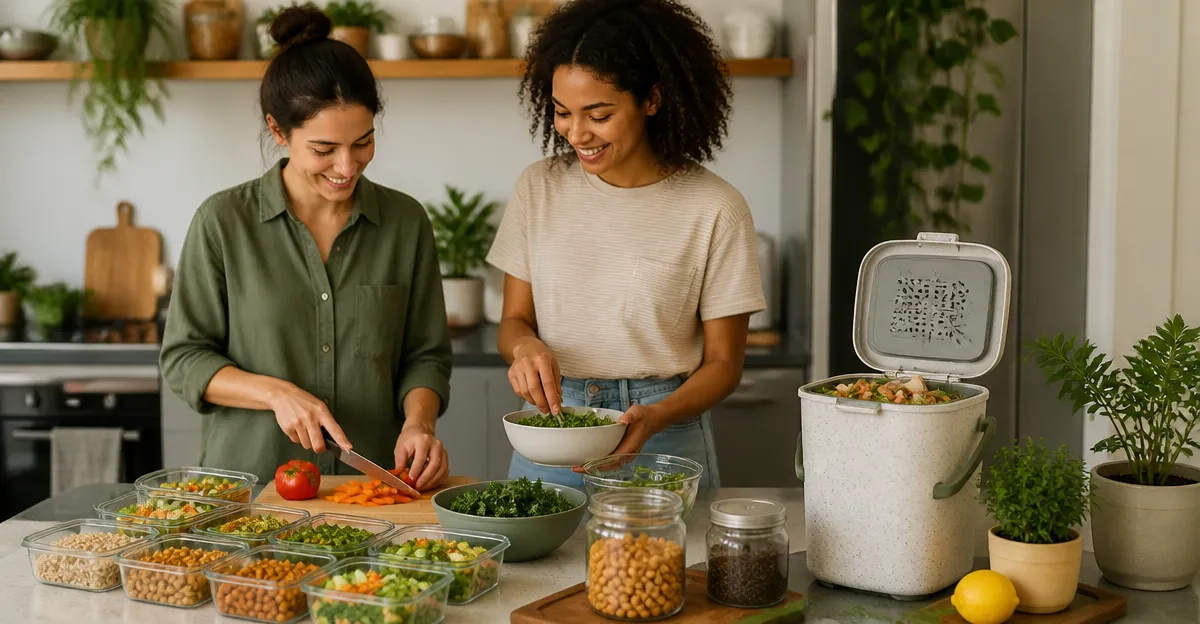
How to Meal Prep with Roommates and Master Compost Etiquette for Shared Countertop Composters
Introduction
Living with roommates often requires coordination, especially when it comes to food preparation and waste management. This guide explains how to plan meals collaboratively, select containers that suit shared kitchens, and maintain a tidy countertop composter that respects everyone’s preferences. Readers will learn practical strategies, product recommendations, and etiquette tips that transform chaotic kitchens into efficient, sustainable spaces.
The article is organized into clear sections, each offering actionable advice supported by real‑world product data. By the end of the guide, one will be able to create a meal‑prep system that reduces waste, saves time, and keeps the shared living environment pleasant for all occupants.
Background / Context
Meal prepping is the practice of preparing portions of meals in advance, typically for the work week. It offers benefits such as consistent nutrition, reduced cooking time, and lower food costs. When multiple people share a kitchen, the challenge is to align portion sizes, storage preferences, and cleaning responsibilities.
Composting food scraps on a countertop composter further reduces waste and supports a circular food system. However, a shared composter can become a source of odor, mess, or conflict if etiquette is not established. Understanding the science of composting—namely the balance of greens (wet waste) and browns (dry waste) and the need for aeration—helps roommates avoid common pitfalls.
Both meal prep and composting rely on suitable containers. The right containers keep food fresh, prevent leaks, and fit neatly into limited refrigerator or freezer space. The following sections explore these concepts in depth and recommend products that meet the needs of shared households.
Planning Meals with Roommates
Effective meal planning begins with open communication. One should schedule a brief weekly meeting, either in person or via a shared digital note, to discuss dietary preferences, portion goals, and grocery budgets. Establishing a shared spreadsheet that lists protein sources, vegetables, and staple carbohydrates allows each roommate to see the overall plan and suggest adjustments.
When planning portions, it is useful to adopt a standard measurement such as the 4‑cup capacity found in many prep containers. This uniformity simplifies calorie tracking and ensures that each person receives a comparable amount of food. For example, the Bentgo Prep Meal Prep Containers provide embossed 4‑cup markings that make portion control intuitive.
Batch cooking techniques, such as roasting a sheet pan of mixed vegetables or preparing a large pot of quinoa, reduce the number of cooking sessions required. Assigning cooking responsibilities on a rotating basis distributes workload fairly and prevents any single roommate from feeling overburdened.
Finally, label each container with the owner’s name and the date of preparation. Simple stickers or a dry‑erase marker on the lid keep the system organized and prevent accidental consumption of another’s meals.
Choosing Compatible Meal Prep Containers
In a shared kitchen, containers must meet several criteria: durability, leak resistance, stackability, and safety for microwave, freezer, and dishwasher use. The following products have been selected based on real customer feedback, rating scores, and feature sets that align with these requirements.
- Bentgo Prep Meal Prep Containers – 20‑piece set, PFAS‑ and BPA‑free, 4‑cup capacity, stackable lids, rated 4.6/5 from 16,785 reviews.
- GoodCook Meal Prep Containers – 10‑piece set, BPA‑free, embossed measurements, dishwasher safe, rated 4.7/5 from 1,178 reviews.
- Dealusy Meal Prep Containers – 50‑pack (100 pieces), 24‑oz capacity, leak‑proof, microwave and freezer safe, rated 4.4/5 from 5,870 reviews.
- KOMUEE Glass Meal Prep Containers – 10‑piece glass set, 30‑oz capacity, borosilicate construction, airtight snap‑locking lids, rated 4.6/5 from 4,994 reviews.
- Freshware Meal Prep Containers – 50‑pack, 16‑oz capacity, BPA‑free polypropylene, freezer safe to –40 °C, rated 4.6/5 from 10,080 reviews.
Each product offers a unique blend of size, material, and price point. Selecting the appropriate set depends on the household’s storage space, preferred portion size, and willingness to invest in glass versus plastic.
Setting Up a Shared Countertop Composter
A countertop composter should be placed in a well‑ventilated area, preferably near the sink for easy rinsing of fruit peels and vegetable scraps. Choose a model with a carbon filter to minimize odor; many budget‑friendly options are available, but the guide focuses on the behavioral practices that make any composter successful.
Begin by defining what materials are acceptable. Greens such as fruit skins, coffee grounds, and vegetable trimmings are encouraged, while meat, dairy, and oily foods are prohibited because they attract pests and produce unpleasant smells. Provide a small bin labeled “Compost Greens” for roommates to deposit eligible waste.
Balance is essential. For every cup of greens, add approximately two cups of browns—dry newspaper strips, shredded cardboard, or paper towels. Encourage roommates to keep a stack of shredded paper nearby; this habit ensures the carbon‑to‑nitrogen ratio remains optimal.
Maintain the composter by stirring it once a week with a simple wooden spoon or the built‑in aeration paddle found on many units. This action introduces oxygen, speeds decomposition, and prevents the formation of anaerobic pockets that cause foul odors.
Finally, establish a clear schedule for emptying the finished compost. A bi‑weekly routine works for most four‑person households, and the resulting nutrient‑rich material can be used for houseplants or donated to a community garden.
Maintaining Compost Etiquette
Etiquette begins with respect for shared space. Each roommate should rinse solid food scraps lightly before adding them to the composter to reduce moisture buildup. If a roommate forgets to rinse, a gentle reminder in a shared chat group is more effective than public criticism.
Do not overload the composter with large quantities of a single type of waste. Over‑loading greens without sufficient browns can create a soggy environment that smells. Encourage a balanced contribution by posting a simple visual guide near the composter that illustrates the 1:2 ratio of greens to browns.
When the composter lid is closed, avoid shaking or moving it excessively. The lid is designed to create a sealed environment; unnecessary disturbance can release odors into the living area.
Finally, keep the surrounding countertop clean. Wipe any spills immediately with a damp cloth and mild detergent. A clean perimeter signals respect for all occupants and reduces the risk of pests.
Comparison / Selection Guide
| Product | Material | Capacity per Container | Set Size | Price (USD) | Rating | Best For |
|---|---|---|---|---|---|---|
| Bentgo Prep | PFAS‑ and BPA‑free plastic | 4 cups | 20 pieces | 12.53 | 4.6/5 (16,785 reviews) | Portion control with embossed measurements |
| GoodCook | BPA‑free plastic | 4 cups | 10 pieces | 16.94 | 4.7/5 (1,178 reviews) | Compact set for limited fridge space |
| Dealusy | Thick BPA‑free plastic | 24 oz (≈3 cups) | 50 pack (100 pieces) | 25.98 | 4.4/5 (5,870 reviews) | High‑volume households, budget‑friendly |
| KOMUEE Glass | Borosilicate glass | 30 oz (≈3.75 cups) | 10 pieces | 39.99 | 4.6/5 (4,994 reviews) | Those who prefer glass for odor‑free storage |
| Freshware | Polypropylene (BPA‑free) | 16 oz (≈2 cups) | 50 pieces | 14.98 | 4.6/5 (10,080 reviews) | Small‑portion meals, snack‑size containers |
The table assists roommates in matching container size, material preference, and budget. For example, a pair of roommates who share a small refrigerator may benefit from the compact GoodCook set, whereas a larger household that prepares bulk meals might prefer the Dealusy 50‑pack.
Best Practices & Tips
- Standardize container size across the household to simplify stacking and labeling.
- Use airtight lids when storing foods that emit strong odors, such as fish or garlic, to keep the shared fridge fresh.
- Rotate container usage weekly to ensure even wear; this prevents a single set from becoming overly scratched or stained.
- When reheating, remove plastic lids before placing containers in the microwave to avoid melt risk; the Bentgo and GoodCook lids are microwave‑safe only when removed.
- Place a small tray or mat under the composter to catch any drips from wet greens, protecting the countertop.
- Schedule a monthly “kitchen audit” where roommates inspect containers for cracks, stains, or lingering odors and replace as needed.
- Document compost contributions in a shared spreadsheet; this transparency encourages equitable participation.
Frequently Asked Questions
1. Can I put glass containers in the freezer?
Yes. The KOMUEE Glass Meal Prep Containers are made from borosilicate glass, which tolerates rapid temperature changes from freezer to microwave without cracking.
2. Are the plastic containers safe for reheating?
All listed plastic containers are BPA‑free and microwave safe, but manufacturers recommend removing the lid before microwaving to avoid warping. The Bentgo and GoodCook lids are designed to withstand brief microwave exposure when the container is placed on a microwave‑safe plate.
3. How often should I stir the countertop composter?
Stirring once a week is sufficient for most four‑person households. This introduces oxygen, speeds decomposition, and prevents unpleasant odors.
4. What should I do if a container develops a stain?
For plastic containers, a soak in warm, soapy water followed by a gentle scrub with a non‑abrasive sponge usually removes most stains. Glass containers can be placed on the top rack of the dishwasher for a thorough clean.
5. Is it necessary to label each container?
Labeling is highly recommended in shared kitchens. It prevents accidental consumption of another roommate’s meal and simplifies inventory management.
6. Can I compost meat scraps in a countertop composter?
No. Meat, dairy, and oily foods attract pests and produce strong odors. They should be disposed of in the regular trash or a separate outdoor compost system designed for animal proteins.
7. What is the best way to store lids to avoid loss?
Designate a small drawer or a compartment within the fridge for lids. Many users keep a silicone trivet in the dishwasher to weigh down lids and prevent them from floating.
Conclusion
Coordinating meal prep with roommates and maintaining a shared countertop composter requires clear communication, appropriate tools, and consistent habits. By selecting containers that match the household’s size, material preference, and budget, roommates can keep food fresh, avoid leaks, and streamline cleanup. Implementing compost etiquette—balanced greens and browns, regular stirring, and respectful labeling—creates a pleasant environment that benefits both occupants and the planet. The strategies outlined in this guide empower shared‑living individuals to enjoy nutritious meals while minimizing waste, ultimately fostering a harmonious and sustainable home.
Products Featured in This Guide
Bentgo Prep Meal Prep Containers
Price: $12.53 | Rating: 4.6/5 (16,785 reviews)
Featured because the embossed 4‑cup measurements simplify portion control and the stackable design maximizes limited fridge space.
GoodCook Meal Prep Containers
Price: $16.94 | Rating: 4.7/5 (1,178 reviews)
Featured for its durable BPA‑free construction, single‑compartment design, and included meal‑prep guide that assists beginners.
Dealusy Meal Prep Containers
Price: $25.98 | Rating: 4.4/5 (5,870 reviews)
Featured for its high‑volume 50‑pack, leak‑proof lids, and temperature range that supports freezer to microwave use.
KOMUEE Glass Meal Prep Containers
Price: $39.99 | Rating: 4.6/5 (4,994 reviews)
Featured because borosilicate glass eliminates odor absorption, offers superior durability, and the airtight snap‑locking lids prevent leaks.
Freshware Meal Prep Containers
Price: $14.98 | Rating: 4.6/5 (10,080 reviews)
Featured for its 50‑piece value pack, BPA‑free polypropylene, and temperature tolerance that supports both freezer and high‑heat microwave use.