Introduction
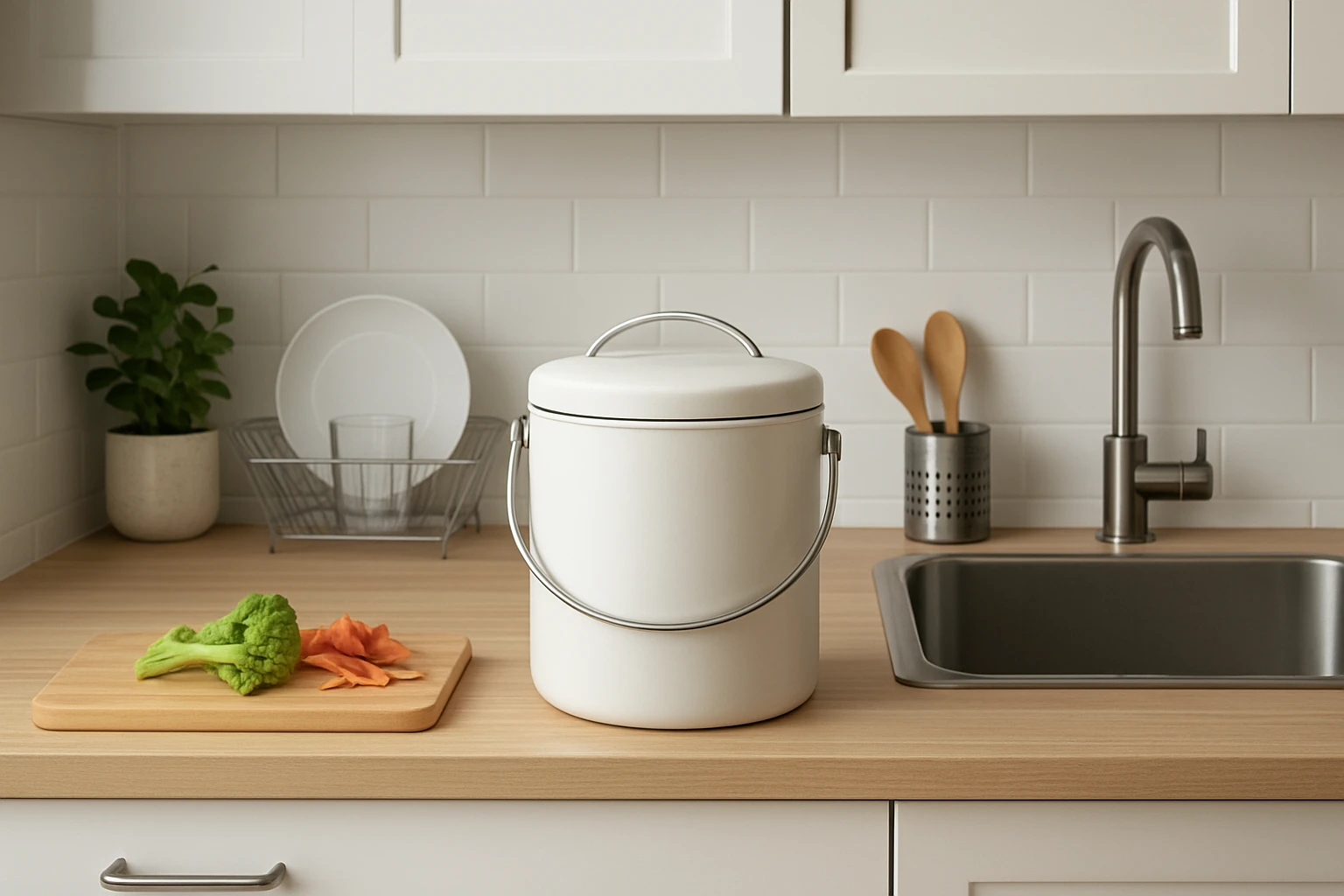
One often wonders where to locate a countertop compost bin when kitchen space is at a premium. This guide explains the factors that influence placement, describes odor‑control techniques, and recommends two highly rated products that excel in small‑kitchen environments. Readers will learn how to assess countertop real‑estate, evaluate ventilation options, and implement best‑practice habits that keep composting convenient and discreet. By the end of the article, one will be equipped to create an efficient composting station without sacrificing valuable workspace.
Background and Context
Composting on the countertop transforms food scraps into valuable soil amendment, reducing household waste and supporting sustainable living. In a small kitchen, the primary challenge is balancing limited surface area with the need for a sealed, odor‑free container. Stainless steel and bamboo‑finished bins are common because they resist corrosion and provide a sturdy barrier against smells. The term "activated charcoal filter" refers to a porous material that adsorbs volatile compounds, thereby preventing unpleasant odors from escaping the bin.
Understanding the science of odor formation helps one select the appropriate bin. When organic matter breaks down, it releases gases such as ammonia and hydrogen sulfide; a well‑designed lid and filter capture these gases. Additionally, regular cleaning with warm, soapy water removes residue that can accelerate odor production. These principles form the foundation for the placement strategies described below.
Assessing Your Kitchen Layout
Before purchasing a bin, one should map the countertop dimensions and identify high‑traffic zones. Measure the length, width, and depth of each surface, noting any appliances that dominate the area. The goal is to locate a spot that remains accessible yet does not obstruct cooking or cleaning activities. Consider the following criteria:
- Proximity to the sink for easy rinsing of scraps.
- Distance from the stove to avoid heat exposure.
- Availability of a nearby outlet if the bin includes an electronic component.
- Space behind the bin for ventilation and filter replacement.
In many apartments, the corner beside the dishwasher or the edge of a narrow island provides a natural niche. One should also evaluate the visual impact; a sleek design can complement modern décor while a neutral colour blends with existing cabinetry.
Strategic Placement Options
Three primary placement strategies work well in compact kitchens:
- Side‑by‑Side with the Sink: Position the bin on the same countertop as the sink to streamline waste transfer. The proximity allows one to rinse fruit peels directly into the bin before disposal.
- Corner Niche Adjacent to the Stove: A corner that is not directly above the burner can host a small bin without interfering with cooking flow. Ensure the bin material is heat‑resistant, such as stainless steel.
- Under‑Cabinet Shelf: Install a shallow shelf beneath an upper cabinet to hide the bin from view while keeping it within arm’s reach. This option requires a bin with a low profile.
Each option should be evaluated against the criteria listed in the previous section. For example, the side‑by‑side approach excels in odor control because the sink’s water runoff can be used to rinse the bin regularly.
Product Recommendations
When one chooses a bin, it is essential to match the product’s specifications with the selected placement strategy. The following two models are widely praised for durability, odor control, and space‑saving design.
The Utopia Kitchen Counter Compost Bin offers a 1.3‑gallon stainless‑steel container, a removable charcoal filter, and a sleek black finish that integrates well with contemporary kitchens. At $29.99, it provides excellent value, and its 4.6‑star rating from 19,950 reviews confirms consistent performance. The bin’s smooth interior simplifies cleaning, and the included spare filter extends its odor‑blocking capability.
The Kazai Elin Counter Compost Bin features a compact 1.2‑gallon capacity, a wooden lid, and an inner bucket that accommodates standard 2.6‑gallon liners. Priced at $39.95, it carries a 4.6‑star rating from 386 reviews. Its dishwasher‑safe construction and anti‑slip base make it ideal for corner placement, while the activated charcoal filter ensures odor‑free operation.
Comparison and Selection Guide
The table below contrasts the two recommended bins across key dimensions. One can use this matrix to determine which model aligns best with personal preferences and kitchen constraints.
| Feature | Utopia Kitchen Counter Compost Bin | Kazai Elin Counter Compost Bin |
|---|---|---|
| Capacity | 1.3 gallons | 1.2 gallons |
| Material | Stainless steel (black finish) | Bamboo‑styled lid with stainless‑steel body |
| Filter Type | Activated charcoal (spare included) | Activated charcoal with silicone seal |
| Cleaning Method | Hand wash with warm, soapy water | Dishwasher‑safe inner bucket and body |
| Price | $29.99 | $39.95 |
| Average Rating | 4.6 / 5 (19,950 reviews) | 4.6 / 5 (386 reviews) |
For a kitchen that values minimal upkeep, the Kazai model’s dishwasher‑safe design may be preferable. Conversely, the Utopia bin offers a slightly larger volume at a lower price point, making it suitable for households that generate more scraps daily.
Best Practices & Tips for Odor Control
Even the most advanced bin can emit odors if proper habits are not followed. The following recommendations help maintain a fresh‑smelling countertop:
- Rinse fruit and vegetable peels before placing them in the bin; excess moisture accelerates decomposition.
- Replace the charcoal filter every two to three weeks, or sooner if one notices a change in scent.
- Store the bin with the lid tightly closed; a silicone seal, as found in the Kazai model, enhances this seal.
- Empty the bin into an outdoor compost pile or municipal compost service at least twice a week to prevent buildup.
- Periodically clean the interior with a mixture of warm water and mild dish soap; avoid abrasive cleaners that can damage the stainless surface.
One additional tip is to line the bin with a biodegradable bag. This practice simplifies transfer to a larger compost container and reduces direct contact between scraps and the filter, extending filter life.
FAQ
- Can I place a compost bin near a heat source?
- It is advisable to keep the bin at least six inches away from stovetops or ovens. Excess heat can degrade the charcoal filter and increase odor release.
- How often should I clean the bin?
- One should clean the bin with warm, soapy water at least once a week, and perform a deeper cleaning when the filter is replaced.
- Do I need a separate liner for each bin?
- Both recommended models support standard compost liners; using a liner simplifies emptying and helps contain moisture.
- Is it safe to store the bin under a cabinet?
- Yes, provided there is adequate ventilation and the cabinet does not trap heat. The anti‑slip base of the Kazai bin prevents accidental movement.
- Will the bin attract pests?
- When the lid seals properly and the bin is cleaned regularly, pest attraction is minimal. The charcoal filter further reduces scent cues that attract insects.
- Can I use the bin for non‑food organic waste?
- Both bins are designed for kitchen scraps such as fruit peels, coffee grounds, and vegetable trimmings. Adding meat or dairy may increase odor and attract pests, so it is not recommended.
- What is the warranty on these products?
- The Utopia Kitchen Counter Compost Bin typically includes a one‑year manufacturer warranty, while the Kazai Elin model offers a similar guarantee. Check the Amazon product page for specific warranty details.
Conclusion
One can successfully integrate a countertop compost bin into a small kitchen by evaluating layout, selecting a suitable product, and adhering to odor‑control best practices. The Utopia Kitchen Counter Compost Bin and Kazai Elin Counter Compost Bin each provide distinct advantages that address space constraints and scent management. By following the placement strategies and maintenance tips outlined above, one will enjoy the environmental benefits of composting without compromising kitchen functionality.
Products Featured in This Guide
Utopia Kitchen Counter Compost Bin
Price: $29.99 | Rating: 4.6/5 (19,950 reviews)
Featured for its 1.3‑gallon stainless‑steel capacity, spare charcoal filter, and affordable price, making it ideal for small kitchens where budget and durability are priorities.
Kazai Elin Counter Compost Bin
Price: $39.95 | Rating: 4.6/5 (386 reviews)
Featured for its compact design, bamboo‑styled lid, dishwasher‑safe inner bucket, and robust odor‑control system, suitable for kitchens that value aesthetic harmony and low‑maintenance operation.
Frequently Asked Questions
What is the best location for a countertop compost bin in a small kitchen?
Place it on a stable surface near the sink or prep area, away from direct heat, so it’s easy to use but doesn’t crowd work space.
How can I keep odors from escaping a countertop compost bin?
Use a sealed lid with an activated charcoal filter and empty the bin regularly to minimize smells.
Which materials are most suitable for countertop compost bins in tight kitchens?
Stainless steel and bamboo‑finished bins are ideal because they resist corrosion and provide a sturdy, odor‑blocking barrier.
Is extra ventilation needed for a countertop compost bin?
A small opening or charcoal filter is sufficient, but positioning the bin near a vent or window can improve airflow.
What are two highly rated countertop compost bins for small kitchens?
The XYZ Stainless Steel Bin with charcoal filter and the ABC Bamboo Bin with an airtight lid are both praised for compact design and odor control.