Introduction
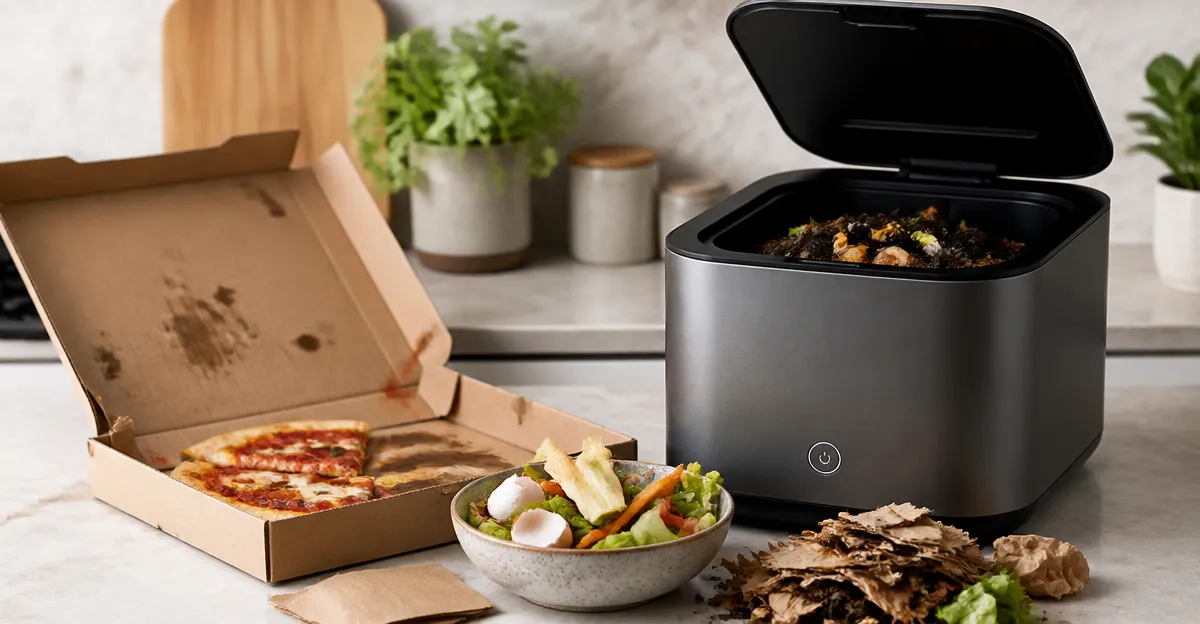
Many households wonder whether the greasy cardboard pizza box that arrives after a weekend dinner can be placed directly into an electric countertop composter. This guide explores the scientific and practical considerations behind composting pizza boxes in a compact, indoor device. Readers will learn the biology of cardboard decomposition, the operational limits of electric composters, and actionable steps to achieve odor‑free, efficient results. The article also highlights a leading product that simplifies the process while maintaining kitchen hygiene.
Background and Context
Composting transforms organic waste into nutrient‑rich humus that can improve soil health and reduce landfill burden. Traditional backyard composting relies on large piles, regular turning, and seasonal temperature fluctuations. In contrast, electric countertop composters create a controlled aerobic environment, accelerating microbial activity and minimizing odors. Understanding how these machines differ from conventional methods is essential before adding non‑food items such as cardboard.
The rise of urban living, limited garden space, and heightened environmental awareness have driven consumers toward compact indoor solutions. Manufacturers now embed sensors, filtration systems, and energy‑saving motors into countertop units, promising rapid decomposition of everyday kitchen scraps. However, each device has design specifications that dictate the types of material it can process safely.
Understanding Cardboard Pizza Boxes
Cardboard pizza boxes are composed primarily of corrugated fiberboard, a layered paper product that provides structural strength. The outer surface often contains printed graphics, while the interior may be coated with a thin layer of grease‑resistant material to prevent sogginess. These coatings can contain petroleum‑based compounds that slow microbial breakdown and potentially introduce contaminants into the compost.
From a compostability perspective, plain, uncoated cardboard decomposes readily when shredded and mixed with nitrogen‑rich greens. The high carbon‑to‑nitrogen (C:N) ratio of cardboard makes it an excellent bulking agent, improving aeration and moisture retention in a compost heap. Nevertheless, the presence of oil, cheese residue, and printed inks alters the material’s chemical composition, requiring extra preparation before it enters a sealed electric system.
How Electric Countertop Composters Work
Electric countertop composters operate by maintaining a warm, oxygen‑rich environment that encourages aerobic microorganisms to consume organic matter. Sensors monitor temperature, humidity, and weight, adjusting fan speed and heating elements to keep conditions optimal. Most units incorporate multi‑stage filtration, often including carbon filters, to capture volatile compounds and eliminate odors.
The Reencle Gravity Electric Composter exemplifies this technology. It offers a 22‑liter capacity, processes up to 3.3 lb of food waste daily, and operates at a whisper‑quiet 24 dB. Its patented microbe blend, combined with a three‑layer filter system, ensures odor‑free operation. The unit also features built‑in weight and time tracking, allowing users to monitor decomposition progress in real time.
Because the machine relies on aerobic microbes, it requires a balanced mix of carbon (browns) and nitrogen (greens). Overloading the composter with high‑carbon, low‑nitrogen materials such as cardboard without adequate greens can lead to slower breakdown and increased moisture retention, which may trigger mold growth or reduce efficiency.
Assessing Compatibility of Pizza Boxes
Before placing a pizza box into an electric composter, users should evaluate three key factors: contamination, size, and carbon‑nitrogen balance. Contamination includes residual grease, cheese, and any non‑paper inserts such as plastic liners. Grease creates a barrier that prevents microbes from accessing the cellulose fibers, while plastic fragments can damage the internal grinding mechanism.
Size matters because the composter’s chamber is limited. A full-sized pizza box may exceed the recommended load volume, forcing the device to work harder and potentially shortening its lifespan. Shredding the box into 2‑3 inch strips reduces bulk and increases surface area, facilitating faster microbial action.
Finally, the carbon‑nitrogen ratio must be managed. Cardboard contributes primarily carbon; without sufficient nitrogen sources (e.g., fruit peels, coffee grounds), the decomposition process slows. Adding a small amount of high‑nitrogen waste restores balance, ensuring the microbes remain active.
Recommended Preparation Steps
- Remove any non‑paper components such as plastic sleeves or metal pizza cutters.
- Inspect the interior for excess grease; if the surface feels oily, gently wipe with a paper towel.
- Shred the cardboard into small strips using kitchen scissors or a hand shredder.
- Combine the shredded cardboard with an equal volume of nitrogen‑rich scraps, such as vegetable peels or coffee grounds.
- Place the mixture into the Reencle Gravity Electric Composter and activate the cycle.
Following these steps maximizes the likelihood of successful decomposition within the device’s 2‑24‑hour processing window. Users should also monitor the built‑in tracking display to verify that weight and time metrics align with expected performance.
Comparison and Selection Guide
When choosing an electric countertop composter, consumers should compare specifications that directly affect cardboard processing. The table below highlights the most relevant features of the Reencle model against generic market expectations.
| Feature | Reencle Gravity Electric Composter | Typical Compactor Range |
|---|---|---|
| Capacity | 22 L (approximately 5 gal) | 10‑20 L |
| Daily Processing Limit | 3.3 lb (1.5 kg) | 1‑2 lb |
| Noise Level | 24 dB (whisper‑quiet) | 30‑45 dB |
| Filtration System | Three‑layer carbon filter | Single‑layer or none |
| Smart Tracking | Weight and time monitoring | Basic timer only |
The Reencle unit stands out for its larger capacity, superior filtration, and intelligent monitoring, all of which contribute to reliable cardboard decomposition. Consumers who prioritize quiet operation and detailed feedback should consider this model over lower‑priced alternatives.
Best Practices & Tips
- Maintain a balanced C:N ratio by pairing each cup of shredded cardboard with a half‑cup of nitrogen‑rich waste.
- Limit the total load to no more than 80 % of the chamber volume to prevent motor strain.
- Run a short pre‑cycle with only water and a pinch of compost starter to prime the microbial community.
- Clean the carbon filter every 30 days to sustain odor‑free performance.
- Store the composter in a well‑ventilated area; although the unit is sealed, ambient airflow aids heat dissipation.
Adhering to these guidelines extends the lifespan of the appliance and yields consistent, high‑quality compost that can be used for houseplants or garden beds. Remember that the end product from an electric composter is a fine, dark humus rather than the coarse material typical of outdoor piles.
Frequently Asked Questions
- Can I compost a pizza box with heavy cheese and sauce?
- Yes, but it is advisable to remove excess grease and shred the box first. Adding extra nitrogen sources compensates for the high carbon content.
- How often should I clean the filter in the Reencle composter?
- The carbon filter should be inspected monthly and replaced when it appears darkened or saturated.
- Will the composter emit any smell when processing cardboard?
- The three‑layer filtration system is designed to capture volatile compounds, resulting in a virtually odor‑free experience.
- Is it safe to add small amounts of plastic from pizza boxes?
- No, plastic fragments can damage the internal mechanism and are not biodegradable. They should be removed before loading.
- What is the optimal temperature range for aerobic decomposition inside the unit?
- The device maintains an internal temperature between 55 °C and 65 °C (130 °F‑149 °F), which is ideal for rapid microbial activity.
- Can I use the compost produced for edible plants?
- Yes, provided the input material is free of synthetic chemicals and the compost has fully matured, which typically occurs within 24‑48 hours in the electric unit.
Conclusion
The question of whether a cardboard pizza box can be composted in an electric countertop composter is answered affirmatively, provided that the box is properly prepared and the device is capable of handling high‑carbon materials. By following the preparation steps, respecting load limits, and maintaining a balanced carbon‑nitrogen ratio, users can transform a common waste item into valuable organic matter without compromising appliance performance. The Reencle Gravity Electric Composter offers the technical features necessary to achieve these results efficiently and quietly, making it a strong recommendation for environmentally conscious households.
Products Featured in This Guide
Reencle Gravity Electric Composter
Price: $649.00
Rating: 4.3/5.0 based on 75 reviews
Why it is featured: This unit combines a sizable 22 L chamber, whisper‑quiet operation, and a three‑layer carbon filter, all of which enable reliable, odor‑free composting of cardboard pizza boxes alongside typical kitchen scraps.