How to Detect Counterfeit Countertop Composter Replacement Parts: 7 Steps to Verify Authenticity and Avoid Damage
Introduction
One will find that modern countertop composters are valuable tools for reducing household waste and creating nutrient‑rich soil. However, the market for replacement components has attracted counterfeit manufacturers who supply inferior parts that can cause leaks, odors, and structural failure. This guide explains seven systematic steps that enable a user to confirm the authenticity of any replacement part before purchase. By following these procedures, one can protect the original investment, maintain a hygienic kitchen environment, and support sustainable composting practices.
The reader will learn how to examine packaging, verify serial numbers, compare material quality, and test fit without compromising the unit. Each step includes practical actions, optional tools, and explanations of why authenticity matters. The approach balances thoroughness with efficiency, allowing both novice and experienced users to act confidently.
What You’ll Need
- A reliable internet connection for accessing manufacturer resources.
- A digital caliper or ruler for measuring dimensions accurately.
- Protective gloves to handle waste and components safely.
- One genuine AOSION Countertop Compost Bin for reference dimensions and material characteristics.
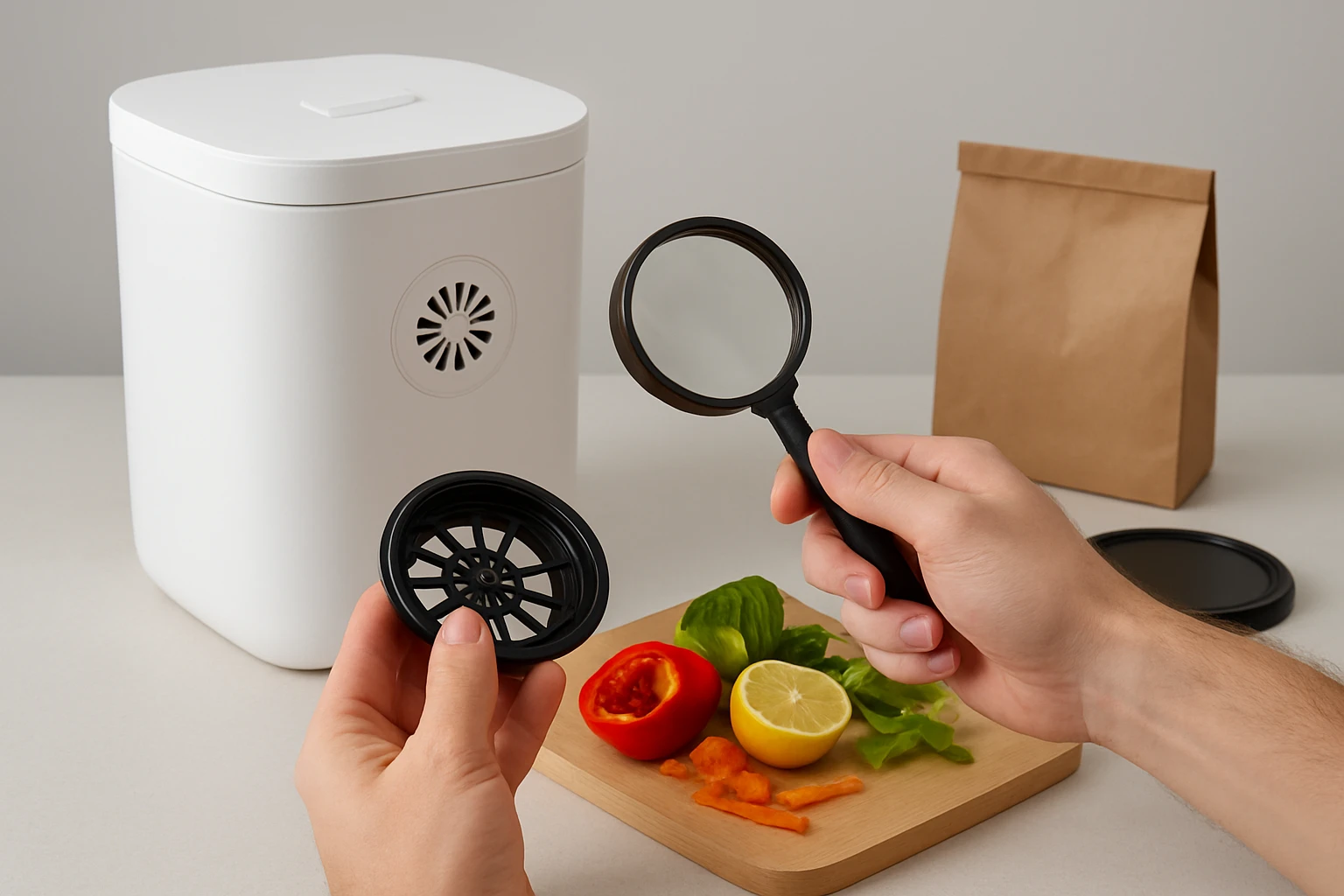
- Optional: A magnifying glass for inspecting surface textures and branding details.
Step 1: Confirm Manufacturer Identification
The first verification action involves locating the official branding on the original unit. The authentic AOSION Countertop Compost Bin displays a metal outer shell stamped with the AOSION Store logo and a model code printed on the interior bucket. One should compare this code with the code printed on the replacement part packaging. If the codes differ, the part is likely counterfeit. This step prevents the purchase of generic components that lack the engineered seal that prevents odor escape.
Why this matters: Genuine parts are engineered to align with the proprietary rubber sealing ring, which maintains the odor‑less environment advertised by the manufacturer. Counterfeit seals often use low‑grade silicone that degrades quickly, leading to unpleasant smells and possible pest attraction.
Step 2: Verify Serial Numbers and QR Codes
Many reputable manufacturers embed a unique serial number or QR code on each genuine component. Using a smartphone camera, one can scan the QR code on the replacement part and compare the resulting data with the information displayed on the official AOSION product page. The official page for the AOSION Countertop Compost Bin lists a serial range that begins with "AOS‑2023‑" followed by six digits. If the scanned code does not match this pattern, the part should be rejected.
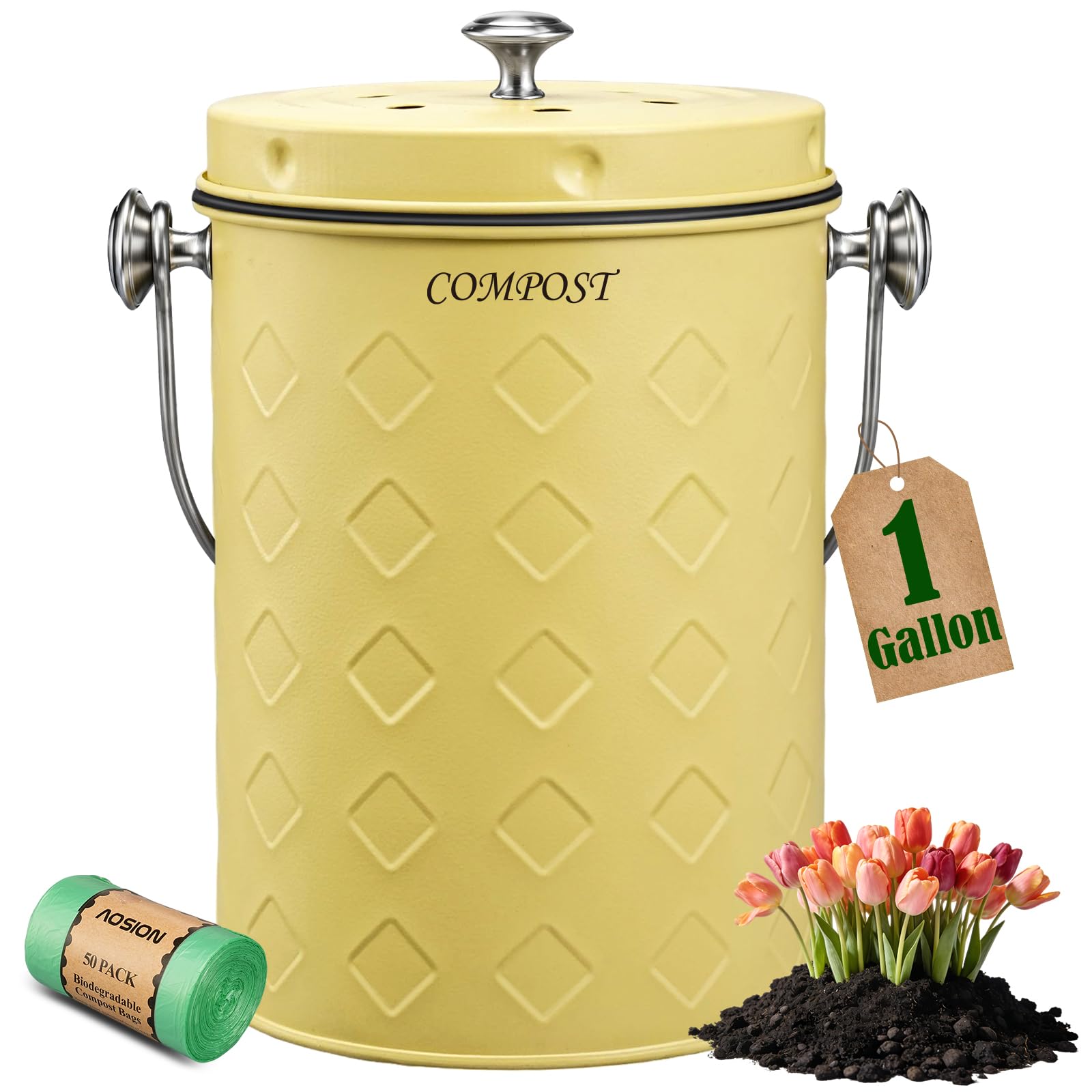
Recommendation: The AOSION Countertop Compost Bin includes three charcoal filters and a rubber sealing ring that serve as reference components for size and material quality. At a price of $27.99, the bin offers a 4.4‑star rating from thirteen verified reviewers, indicating reliable construction. Using this authentic bin as a benchmark ensures that the replacement part aligns with the original specifications.
Step 3: Assess Material Composition
Authentic replacement components are typically fabricated from high‑grade plastic or stainless steel, depending on the part. One can perform a simple scratch test on an inconspicuous area of the component; genuine high‑grade plastic will resist surface damage and retain a smooth finish. Counterfeit parts often use low‑density polyethylene, which yields a dull surface and emits a faint chemical odor when scratched.
Why this matters: The interior bucket of the AOSION Countertop Compost Bin is described as high‑grade plastic that is both eco‑friendly and durable. Matching this material quality in replacement lids or filters ensures long‑term odor control and structural integrity.
Step 4: Measure Dimensional Accuracy
Precision in dimensions is critical because the compost bin relies on a tight seal between the lid and the inner bucket. Using a digital caliper, measure the diameter of the lid opening, the depth of the inner bucket, and the thickness of the sealing gasket. Compare these measurements with the specifications listed on the official product page: the bin holds 1.0 gallon and features a rubber ring that creates a secure seal.
If the replacement part deviates by more than 2 millimetres, it is likely a non‑original component. An ill‑fitting lid can allow odors to escape, attract insects, and compromise the composting process.
Step 5: Examine Packaging Quality
Authentic packaging often includes high‑resolution printing, clear barcodes, and consistent colour schemes. Counterfeit packaging may exhibit blurry logos, misaligned text, or spelling errors such as "Composter" written as "Compostor". One should also verify that the packaging includes the promised accessories, such as the three charcoal filters and a 50‑pack of trash bags that accompany the genuine AOSION bin.
Why this matters: The charcoal filters are 10 mm thick and designed to absorb odor molecules effectively. Counterfeit filters may be made from inexpensive activated carbon that loses potency after a few weeks, defeating the odor‑control purpose.
Step 6: Conduct a Functional Test
Before installing the replacement part permanently, perform a short functional test. Fill the inner bucket with a small amount of kitchen waste, close the lid, and observe the system for 24 hours. A genuine seal will prevent any smell from escaping and will not allow moisture to leak onto the countertop. If a faint odor is detectable or if condensation forms on the exterior, the part may be substandard.
Recommendation: The original AOSION Countertop Compost Bin includes a diamond‑pattern exterior that adds aesthetic appeal while providing structural rigidity. Using the authentic bin as a visual reference during the functional test helps identify discrepancies in finish and fit.
Step 7: Purchase From Authorized Sellers
The final safeguard is to acquire replacement components exclusively from authorized retailers or directly from the manufacturer. Authorized sellers guarantee that the parts meet the original specifications and often provide a warranty. Purchasing from third‑party marketplaces without verification increases the risk of receiving counterfeit items.
For example, the official Amazon listing for the AOSION Countertop Compost Bin offers a direct channel to the manufacturer, ensuring that any bundled replacement parts are genuine. The listing displays a price of $27.99 and a 4.4‑star rating, reflecting consistent customer satisfaction.
Tips & Pro Tips
- Maintain a record of serial numbers for each component; this documentation simplifies future verification.
- Store the original packaging and instruction manual in a safe location; they serve as reference material for authenticity checks.
- When in doubt, contact AOSION Store customer support with photographs of the suspected part; they can confirm legitimacy.
- Consider purchasing a spare set of charcoal filters from the official Amazon listing to avoid future counterfeit risks.
Conclusion
By following the seven steps outlined above, one can reliably detect counterfeit countertop composter replacement parts and protect the functional integrity of the system. Verifying manufacturer identification, serial numbers, material quality, dimensions, packaging, and functional performance creates a comprehensive defense against inferior components. Purchasing exclusively from authorized channels further reduces exposure to counterfeit risk. Implementing these practices ensures a long‑lasting, odor‑free composting experience that supports sustainable household waste management.
Products Mentioned in This Guide
Frequently Asked Questions
How can I spot counterfeit packaging for countertop composter parts?
Look for misspelled brand names, low‑resolution logos, and mismatched barcodes; genuine packaging includes official holograms and consistent branding.
What role do serial numbers play in verifying authenticity?
Authentic parts have serial numbers that match the manufacturer’s database, which you can confirm by entering the code on the brand’s website.
Which material characteristics indicate a genuine replacement part?
Genuine components use the same high‑grade stainless steel or BPA‑free plastic as the original, feeling solid and weighty, whereas counterfeits are often lighter with uneven surfaces.
Can I test the fit of a replacement part without damaging my composter?
Yes, gently align the part with the mounting points before full installation; a proper fit will snap or screw in smoothly without forcing.
Why is it important to buy replacement parts from authorized dealers?
Authorized sellers source parts directly from the manufacturer, reducing the risk of counterfeit items that could cause leaks, odors, or safety hazards.