
How to Plan a Tenant Engagement Event to Drive Countertop Composter Adoption in Apartments — A Step‑By‑Step Guide
Introduction
Apartment communities are increasingly seeking sustainable solutions that reduce waste and improve resident satisfaction. This guide explains how property managers can design and execute an engaging tenant event that showcases countertop composters as a convenient, eco‑friendly option. Readers will learn to set clear objectives, select appropriate tools, and deliver a memorable experience that drives adoption. By following the outlined steps, one can transform a routine gathering into a catalyst for lasting environmental change.
What You'll Need
- Event planning checklist (venue, schedule, signage)
- Promotional materials (flyers, digital invites, QR codes)
- Demonstration units: Dreame Electric Kitchen Composter and RED FACTOR Stainless Steel Compost Bin
- Reusable signage and branding supplies
- Feedback collection tools (paper forms or digital survey platform)
Step 1: Define Objectives and Target Audience
Begin by articulating the primary goals of the event. Typical objectives include increasing resident awareness of composting, achieving a specific percentage of composter purchases, and collecting feedback for future sustainability initiatives. Identify the tenant segments most likely to benefit—such as eco‑conscious renters, families, and young professionals. Document these goals in a brief brief, as they will guide venue selection, messaging, and success metrics.
Step 2: Secure Venue and Design Layout
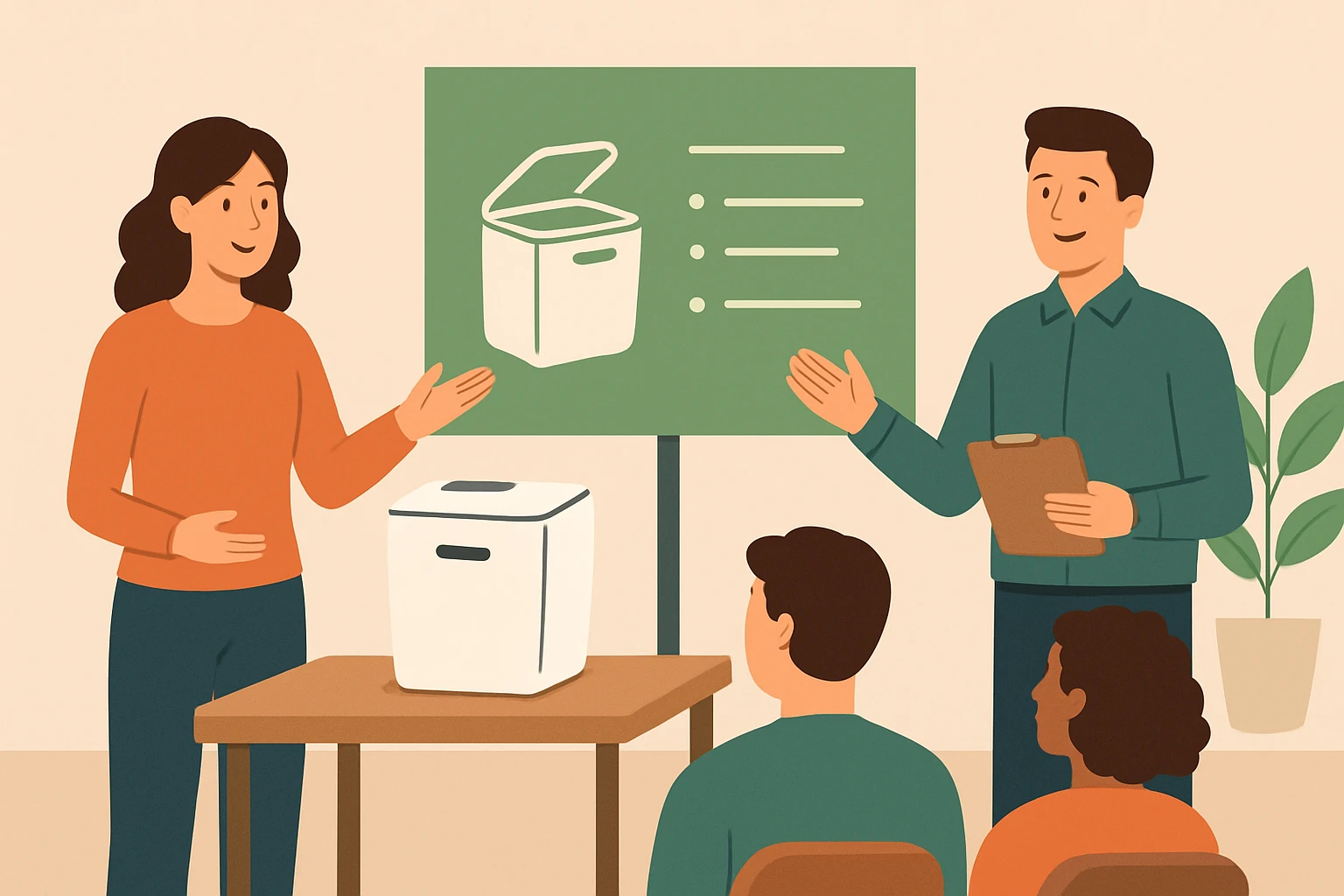
Select a common area that receives regular foot traffic, such as a lobby, community room, or rooftop garden. Ensure the space can accommodate demonstration stations, seating, and a small refreshment area without obstructing daily operations. Arrange the layout to create a logical flow: registration, educational display, live demo, and Q&A zone. Place the RED FACTOR Stainless Steel Compost Bin near the demo station; its compact 1.3‑gallon size and odor‑neutralizing dual‑filter technology make it ideal for showing how a simple countertop bin can collect scraps before processing. The bin’s stainless‑steel construction conveys durability and aligns with upscale apartment aesthetics, reinforcing the message that composting can be both stylish and functional.
Step 3: Prepare Educational Materials and Live Demonstration
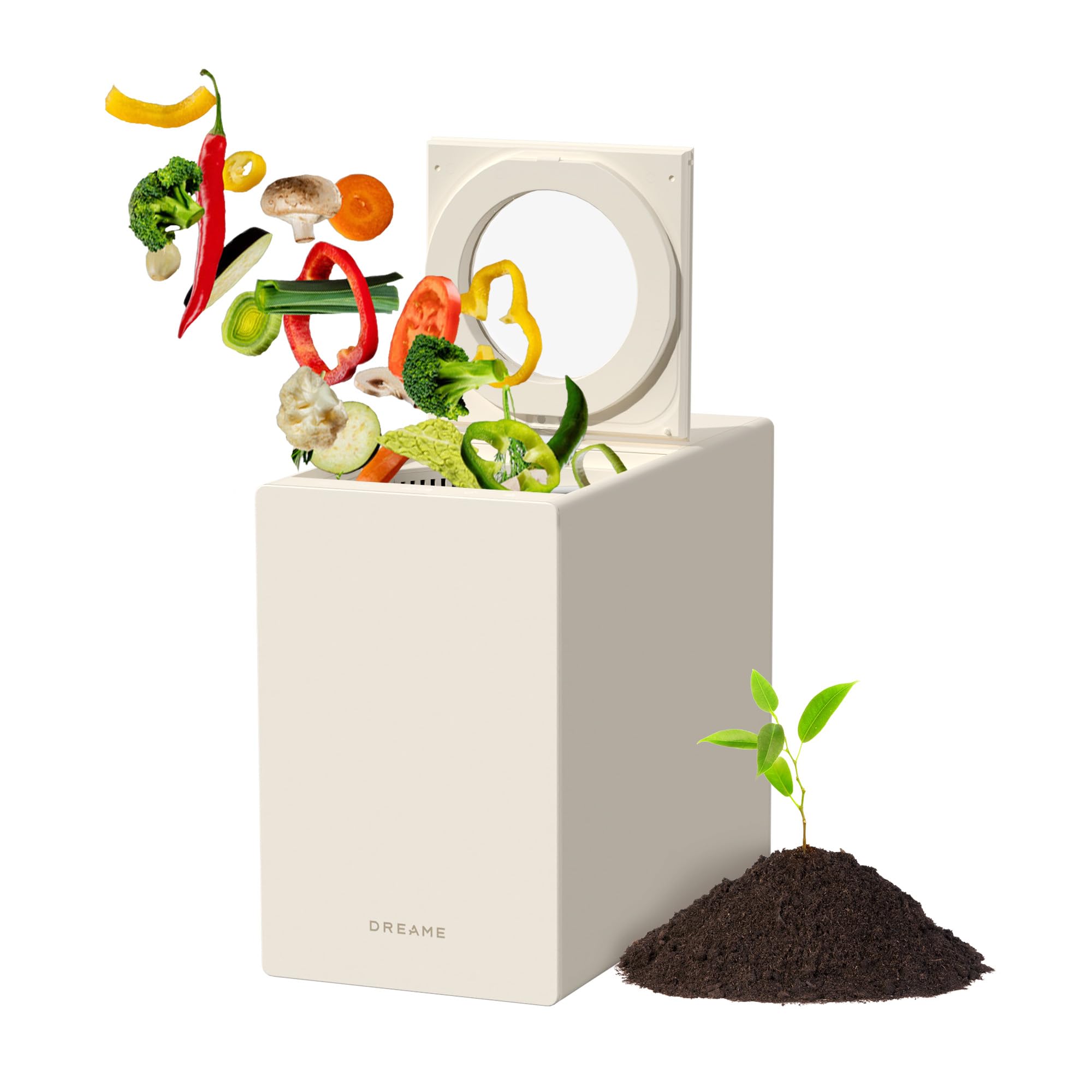
Develop concise, visually appealing handouts that explain the environmental impact of food waste, the benefits of on‑site composting, and cost‑saving potential for residents. Include QR codes that link to product pages, instructional videos, and a feedback survey. For the live demonstration, set up the Dreame Electric Kitchen Composter. This device offers a powerful Trion Triple‑Blade System, advanced odor control via a washable activated carbon filter, and ultra‑quiet operation at 27 dB, making it perfect for apartment settings where noise is a concern. Its 2.5 L capacity can handle waste for 3–4 people, reducing volume by up to 90 %. Demonstrate loading various food scraps, activating the high‑temp auto‑cleaning cycle, and showcasing the clear window that allows attendees to observe the process. Emphasize how the device’s safety lock and smart LED timer simplify daily use, and compare it to traditional waste disposal methods to highlight efficiency gains.
Step 4: Promote the Event and Drive Registrations
Utilize multiple communication channels to reach tenants: email newsletters, property management app notifications, and physical flyers in mailboxes. Craft a compelling subject line that mentions “free demo” and “eco‑friendly living.” Offer an incentive, such as a discount voucher for purchasing the featured composter within a week of the event. Leverage social proof by quoting the Dreame unit’s 4.7‑star rating from nine reviews and the RED FACTOR bin’s 4.8‑star rating from over 5,700 reviews. Encourage residents to RSVP via an online form, which also serves as a data source for post‑event analysis.
Step 5: Execute the Event and Capture Feedback
On the day of the event, arrive early to set up stations, test all equipment, and ensure signage is visible. Assign staff or volunteers to greet attendees, guide them through the demonstration, and answer questions about maintenance, cost, and waste reduction. After the live demo, conduct a short Q&A session and distribute the feedback forms. Collect both quantitative data (interest level, purchase intent) and qualitative comments (concerns about space, noise, or cleaning). Use this information to refine future events and to tailor follow‑up communications that address specific resident queries.
Tips & Pro Tips
- Schedule the event during peak foot‑traffic hours, such as early evening after work, to maximize attendance.
- Provide a small “take‑home” kit that includes a reusable tote bag, a printed composting guide, and a discount code for the recommended products.
- Highlight the Dreame unit’s ultra‑quiet 27 dB operation by comparing it to a whisper or a quiet night, reassuring residents that nighttime use will not disturb neighbors.
- Use the RED FACTOR bin’s dual‑filter system as a talking point for odor control; explain that active carbon filters neutralize smells even in warm climates.
- Record a short video of the live demo for later distribution via the property’s digital channels; this extends the event’s reach beyond attendees.
Troubleshooting
- Problem: Residents express concern about the size of the Dreame composter.
Solution: Emphasize its compact footprint (19.4 cm wide, 30.5 cm high) and compare it to the size of a standard kitchen appliance such as a microwave. - Problem: Noise complaints during the demo.
Solution: Demonstrate the unit’s 27 dB level and suggest placing it on a silicone mat to further dampen vibrations. - Problem: Low adoption after the event.
Solution: Follow up with personalized emails that include a limited‑time discount and a reminder of the environmental benefits highlighted during the demo.
Conclusion
By systematically defining goals, selecting an appropriate venue, integrating practical product demonstrations, and gathering actionable feedback, property managers can successfully drive countertop composter adoption among tenants. The recommended tools—the Dreame Electric Kitchen Composter and the RED FACTOR Stainless Steel Compost Bin—provide tangible examples of how modern technology can simplify waste reduction in apartment living. Implementing the steps outlined in this guide will not only enhance resident engagement but also position the community as a leader in sustainable living.
Products Mentioned in This Guide
Frequently Asked Questions
What are the key objectives when planning a tenant engagement event for countertop composters?
Set goals to raise awareness, demonstrate ease of use, and secure a target adoption rate among residents.
Which promotional tools work best to attract apartment residents to a composting event?
Use a mix of flyers, digital invitations, QR‑coded signage, and social‑media posts to reach tenants where they’re most active.
How should property managers choose the right countertop composters for a demonstration?
Select units that are compact, user‑friendly, and have proven performance, such as the Dreame Electric Kitchen Composter and RED FACTOR Stainless Steel Bin.
What checklist items are essential on the day of the tenant engagement event?
Confirm venue setup, schedule demos, have signage ready, ensure QR code links work, and provide waste‑sorting stations for hands‑on practice.
How can success of the composting event be measured?
Track attendance, collect sign‑ups for composters, gather post‑event feedback, and monitor waste‑diversion rates in the following weeks.