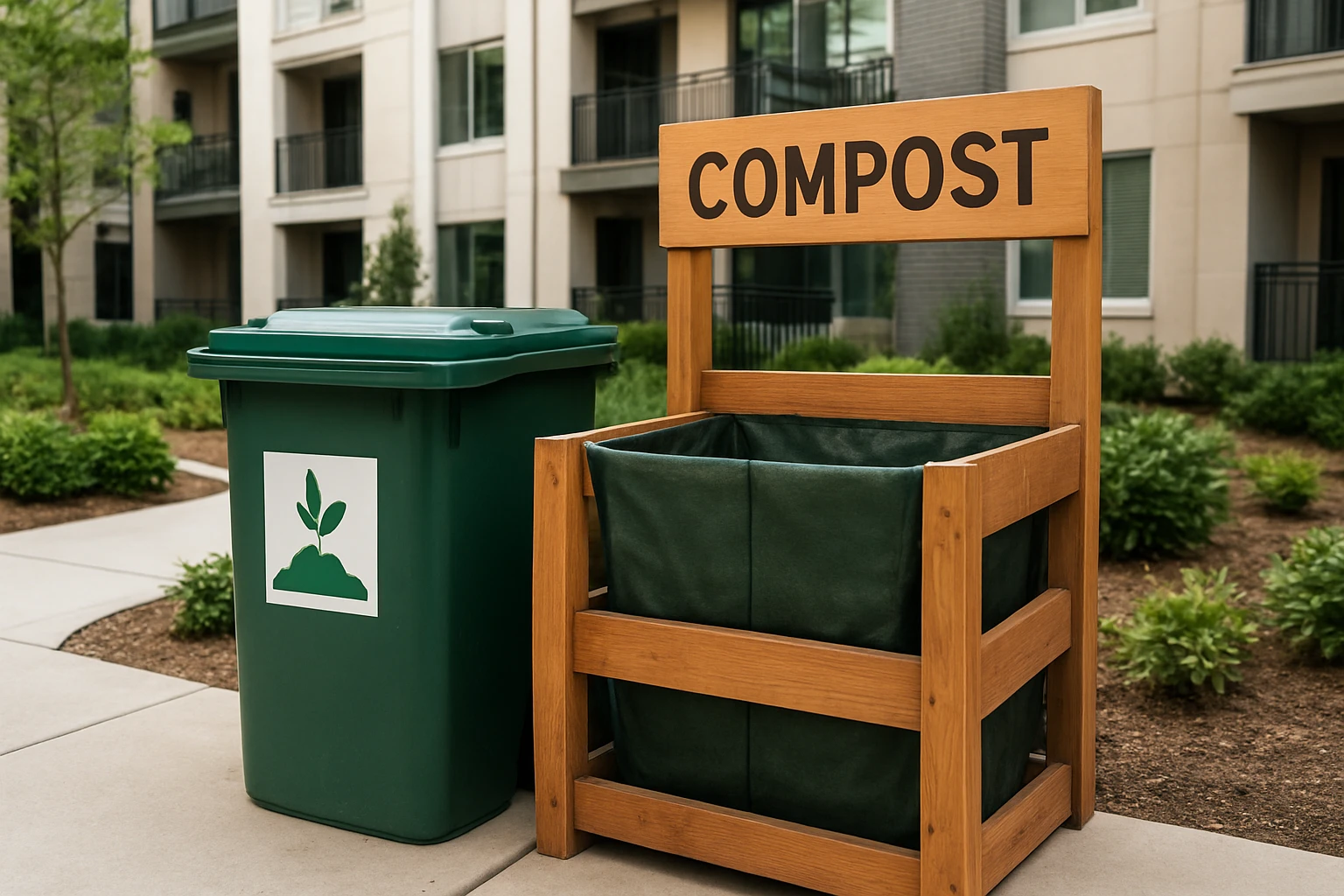

Shared Processed Compost Collection for Apartments: The Complete Guide to Setting Up, Managing & Scaling a Communal Compost Point
Introduction
Urban living often limits the ability of residents to compost their kitchen waste, yet the environmental benefits of diverting organic material from landfills remain significant. This guide explains how apartment communities can create a shared compost collection point that is safe, odor‑free, and easy to maintain. Readers will learn the essential background, step‑by‑step setup procedures, product recommendations, comparison criteria, best‑practice tips, and answers to common questions.
By the end of this article, one will understand how to select appropriate containers, design a collection workflow, engage residents, and scale the system as participation grows. The approach balances theoretical knowledge with practical tools, ensuring that even buildings with limited outdoor space can implement a successful program.
Background and Context
Composting transforms food scraps, coffee grounds, and yard waste into nutrient‑rich humus that improves soil health and reduces greenhouse‑gas emissions. In dense housing, the primary obstacles are space constraints, odor control, and resident education. According to the United Nations, organic waste accounts for roughly 30% of municipal solid waste; diverting even a fraction can lower landfill pressure dramatically.
Key concepts for apartment composting include:
- Source separation: Keeping compostable materials separate from recyclables and trash.
- Containment: Using sealed or filtered bins to prevent odors and pests.
- Turnover: Regularly aerating the material to accelerate decomposition.
- Scale: Adjusting bin size and number of collection points as participation rises.
Understanding these principles allows property managers to design a system that aligns with building codes, health regulations, and resident expectations.
Designing the Communal Compost Point
The core of any shared compost program is the collection point where residents deposit their organic waste. The point should be located in a well‑ventilated area, preferably near a trash chute or recycling room, to minimise travel distance. Two common configurations exist:
- Indoor countertop collection: Suitable for smaller buildings where a dedicated room is unavailable. Residents place scraps into a kitchen‑style bin that is later transferred to an outdoor tumbler.
- Outdoor bulk compost bin: Ideal for larger complexes with a courtyard or garden area. Bulk bins hold a higher volume and can be turned directly on site.
Both configurations benefit from using containers that incorporate carbon filters, removable inner buckets, and sturdy construction. The following product recommendations illustrate how each feature supports a hygienic, low‑odor environment.
Recommended Products for the Collection Point
Indoor Countertop Option
The Perfnique Kitchen Compost Bin provides a compact, 1.3‑gallon capacity that fits neatly on a countertop. Its plastic inner pail can be removed for easy emptying, and the included carbon filters suppress odors for up to six months. With a 4.6‑star rating from 939 reviewers, it demonstrates reliability in small‑scale settings.
- Capacity: 1.3 gallons – sufficient for a few days of household scraps.
- Features: Removable inner bucket, handle for easy transport, dual carbon filter, rust‑free metal exterior.
- Price: $23.74.
Residents can deposit fruit peels, coffee grounds, and tea bags directly into the bin. When the inner pail is full, a designated volunteer transfers the contents to an outdoor tumbler or community compost heap.
Outdoor Bulk Option
For buildings with a garden or patio, the Outsunny 80 Gallon Garden Compost Bin offers ample volume and an integrated aeration system. Twelve vents on each side (total 48) promote oxygen flow, accelerating the fermentation process. The snap‑on lid deters pests and wind, while the tool‑free assembly makes installation straightforward. It holds a 4.2‑star rating from 145 reviews.
- Capacity: 80 gallons – suitable for dozens of apartments.
- Features: 48 air vents, snap‑on lid, easy‑clip assembly, dimensions 23.75" L x 23.75" W x 32" H.
- Price: $59.99.
Residents place their kitchen scraps into the indoor bin; a weekly schedule moves the material to the Outsunny bin where natural aeration completes the breakdown within 6‑12 weeks.
High‑Volume Rotating Tumbler
The Miracle‑Gro Dual Chamber Compost Tumbler is designed for communities that desire rapid turnover and continuous compost supply. With two 27.7‑gallon chambers, one side can be loaded while the other cures, ensuring a steady output of finished compost. The tumbler’s side‑locking mechanism, galvanized steel base, and UV‑protected plastic guarantee durability across seasons. It carries a 4.2‑star rating from over 14,000 reviewers.
- Capacity: 55.4 gallons total (two 27.7‑gallon chambers).
- Features: Dual chambers, easy‑turn design, pest‑tight seals, BPA‑free plastic, 4‑6 week processing time.
- Price: $139.87.
Communities that adopt the Miracle‑Gro tumbler can achieve a compost turnover of roughly every five weeks, providing a reliable source of “black gold” for rooftop gardens or resident‑maintained planters.
Comparison and Selection Guide
| Feature | Perfnique Kitchen Compost Bin | Outsunny 80‑Gallon Garden Bin | Miracle‑Gro Dual Chamber Tumbler |
|---|---|---|---|
| Capacity | 1.3 gal (countertop) | 80 gal (outdoor bulk) | 55.4 gal (dual chambers) |
| Odor Control | 2 carbon filters (4‑6 mo) | Snap‑on lid, ventilation | Sealed chambers, UV‑protected plastic |
| Assembly | No assembly required | Tool‑free clip‑together | Pre‑assembled, turn by hand |
| Maintenance | Inner bucket removable, hand‑wash | Periodic turning, vent cleaning | Rotate every few days, chamber swap |
| Price | $23.74 | $59.99 | $139.87 |
| Rating (reviews) | 4.6 / 5 (939) | 4.2 / 5 (145) | 4.2 / 5 (14,562) |
Choosing the right product depends on building size, available outdoor space, and desired processing speed. Small studios or micro‑apartments may favour the Perfnique bin for its minimal footprint. Mid‑size complexes with a courtyard benefit from the Outsunny bulk bin, while large residential towers with a dedicated garden area can leverage the rapid turnover of the Miracle‑Gro tumbler.
Best Practices & Tips for Ongoing Success
- Educate Residents: Provide clear signage that lists acceptable compostables (fruit skins, vegetable peels, coffee grounds, tea bags, eggshells) and prohibited items (meat, dairy, oily foods). Use visual icons to aid non‑English speakers.
- Establish a Collection Schedule: Designate a weekly or bi‑weekly pick‑up time when the indoor bin is emptied into the outdoor container. Consistency prevents overflow and odor buildup.
- Maintain Carbon‑Nitrogen Balance: Encourage residents to add a thin layer of shredded newspaper or dry leaves after each deposit. This balances the nitrogen‑rich kitchen waste and improves aeration.
- Monitor Moisture Levels: Compost should feel like a damp sponge. If it becomes soggy, add dry carbon material; if too dry, lightly mist with water.
- Rotate or Turn Regularly: For tumblers, rotate every 2‑3 days. For static bins, stir the pile weekly with a garden fork to introduce oxygen.
- Prevent Pests: Keep lids securely closed, use carbon filters, and store the outdoor bin on a raised platform to deter rodents.
- Track Participation: Use a simple sign‑in sheet or QR‑code survey to gauge resident involvement. Adjust bin numbers or size based on usage trends.
- Scale Thoughtfully: When demand exceeds capacity, add a second outdoor bin or upgrade to a larger tumbler. Ensure the collection point remains accessible for all residents, including those with mobility challenges.
Frequently Asked Questions
- What types of waste can I compost in an apartment setting? Acceptable items include fruit and vegetable scraps, coffee grounds, tea bags, eggshells, and small amounts of paper towels. Avoid meat, fish, dairy, and oily foods because they attract pests and emit stronger odors.
- How often should I replace the carbon filter in the Perfnique bin? The manufacturer recommends replacing the filter every four to six months, depending on usage intensity and odor levels.
- Do I need a separate composting space for the Outsunny bin? The bin can sit on a concrete slab, wooden pallet, or raised garden bed. Ensure the location receives partial sunlight to aid the aerobic process.
- Can the Miracle‑Gro tumbler be used year‑round? Yes. The UV‑protected plastic and sturdy steel base allow operation in winter, but in extremely cold climates the decomposition rate may slow; consider insulating the bin with a tarp.
- Is it legal to compost in multi‑family buildings? Most municipalities permit indoor composting as long as the system is odor‑controlled and does not attract vermin. Verify local ordinances and building policies before launch.
- How long does it take for compost to be ready for use? With the Outsunny bin, expect 6‑12 weeks. The Miracle‑Gro tumbler can produce usable compost in 4‑6 weeks due to its rotating action. The Perfnique bin is a collection vessel only; material must be transferred to a larger system for full decomposition.
- What should I do with finished compost? Residents can use it in community garden beds, balcony planters, or donate to local urban farms. Providing a small compost distribution station encourages reuse.
Conclusion
Implementing a shared processed compost collection point in apartments transforms waste into a valuable resource while fostering community engagement. By understanding the fundamentals of source separation, selecting appropriate containers such as the Perfnique Kitchen Compost Bin, Outsunny 80 Gallon Garden Compost Bin, or Miracle‑Gro Dual Chamber Tumbler, and following best‑practice maintenance routines, property managers can create a sustainable, odor‑free system that scales with resident participation.
Success hinges on clear communication, regular monitoring, and the willingness to adapt the setup as demand evolves. When executed thoughtfully, communal composting not only reduces landfill contributions but also enriches urban green spaces, delivering tangible environmental and social benefits.
Products Featured in This Guide
Perfnique Kitchen Compost Bin
Price: $23.74 | Rating: 4.6/5 (939 reviews)
Featured for its compact countertop design, removable inner bucket, and dual carbon filters that keep indoor environments odor‑free.
Outsunny 80 Gallon Garden Compost Bin
Price: $59.99 | Rating: 4.2/5 (145 reviews)
Featured for its large 80‑gallon capacity, extensive ventilation system, and tool‑free assembly suitable for communal outdoor spaces.
Miracle‑Gro Dual Chamber Compost Tumbler
Price: $139.87 | Rating: 4.2/5 (14,562 reviews)
Featured for its dual‑chamber design that enables continuous compost production and rapid 4‑6 week turnover for high‑volume communities.

