Introduction
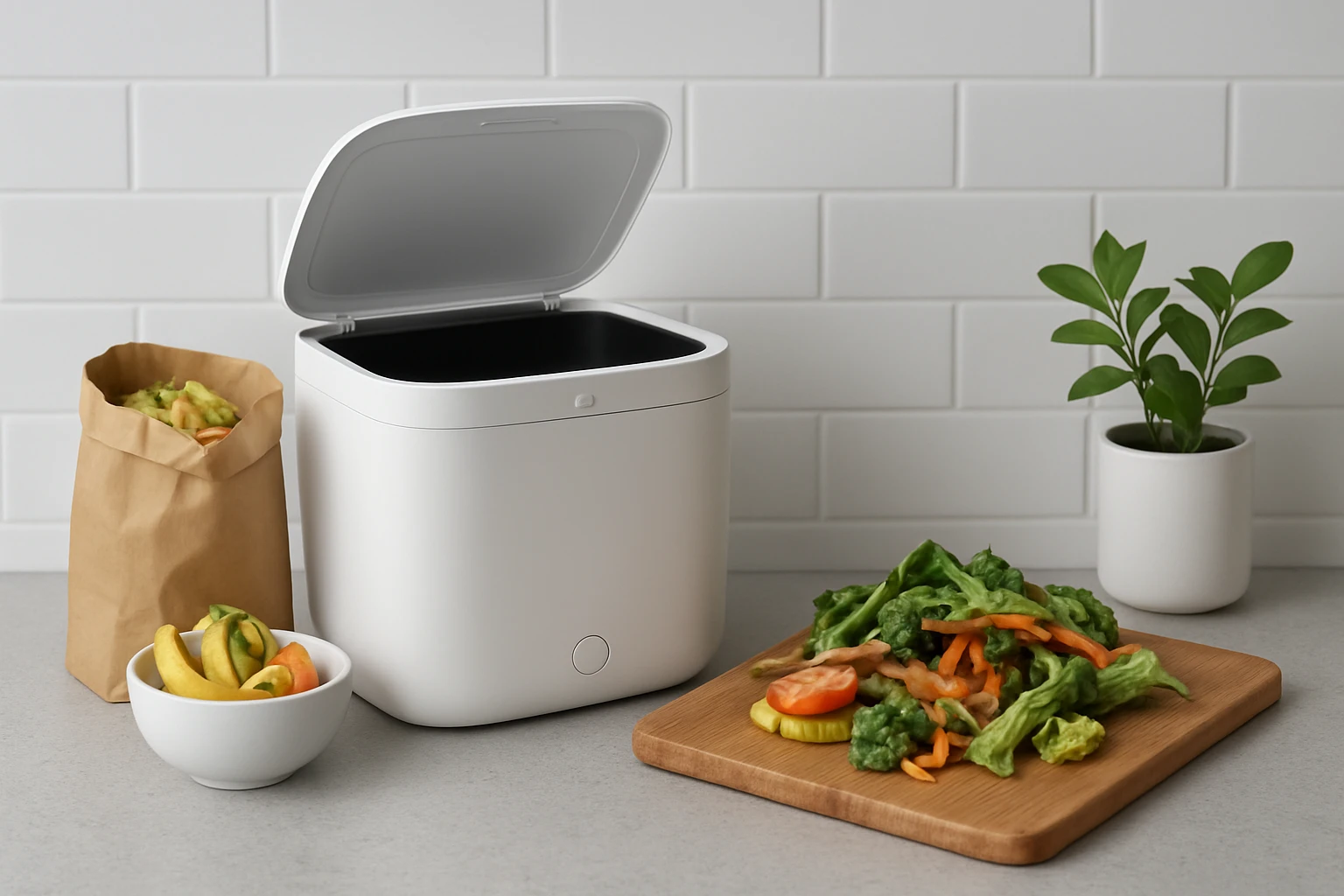
Countertop composters have become essential tools for households that wish to reduce waste and create nutrient‑rich fertilizer at home. Modern electric models such as the FRYLINE 4L Electric Kitchen Composter and the Airthereal Revive Electric Composter promise low‑noise operation, odor control, and rapid processing. However, new owners often encounter challenges that diminish the benefits of these devices.
This article outlines ten frequent mistakes made by beginners and provides actionable guidance to avoid them. By following these recommendations, readers can maximize efficiency, extend the lifespan of their equipment, and enjoy a cleaner, greener kitchen.
1. Ignoring the Importance of Proper Food Preparation
Many users place whole vegetables or large fruit skins directly into the composter, assuming the machine will handle any size. Both the FRYLINE and Airthereal models rely on high‑torque blades that operate most efficiently with smaller pieces. Cutting waste into roughly one‑inch cubes reduces strain on the motor and shortens processing time.
Customer feedback for the Airthereal Revive notes that “cutting the peels into approximately 1" cubes before putting them into the composter… took less room and fit more inside.” This simple step prevents jams and ensures consistent results.
By preparing waste appropriately, owners avoid unnecessary wear and maintain the quiet operation advertised—below 40 dBA for the FRYLINE unit.
2. Overloading the Compost Bin
Attempting to fill the 4 L chamber of the FRYLINE or the 1.3 gal capacity of the Epica bin to the brim can cause overheating and incomplete drying. The manufacturers recommend filling the bucket to the indicated line and allowing the cycle to complete before adding more material.
One reviewer of the Airthereal Revive observed, “Follow the instructions and don’t stuff a huge amount into the bucket. Load light and to the line and you will not have any problems.” Respecting the load limit preserves the high‑temperature drying process that reduces waste by up to 90%.
Adhering to capacity guidelines also prevents the carbon filter from becoming saturated prematurely, which could lead to odor issues.
3. Neglecting Carbon Filter Maintenance
All four products rely on activated‑charcoal filters to neutralize odors. The FRYLINE unit alerts users when its filter reaches a 1,000‑hour limit, while the Granrosi bin includes three replaceable filters that last three to four months each.
Failure to replace a saturated filter results in unpleasant smells and may reduce the effectiveness of the odor‑free claim. Regularly checking the filter status—especially in high‑usage households—ensures continuous freshness.
Both the FRYLINE and Granrosi models provide clear indicator lights or visual cues, making maintenance straightforward.
4. Using Incompatible Materials
Not all kitchen waste is suitable for electric composters. Items such as large bones, dairy products, and oily foods can clog the blades or create excessive steam. The user manuals for the FRYLINE and Airthereal devices list prohibited materials, and ignoring these recommendations can void warranties.
A helpful tip from a satisfied Airthereal user is to “follow the chart in the user manual that lists what you can and what you should not put in.” By respecting material limits, owners protect the high‑speed grinding mechanism and avoid costly repairs.
Sticking to fruit peels, vegetable scraps, coffee grounds, and eggshells yields the best compost quality.
5. Skipping the Cleaning Cycle
Both the FRYLINE and Airthereal models feature an auto‑clean mode that removes residue from the interior. Neglecting this function leads to buildup on the blades and walls, reducing efficiency and potentially causing foul odors.
One reviewer described the cleaning process: “The detachable bucket is also dishwasher safe, and the auto‑clean button makes maintenance a breeze.” Regularly activating the cleaning cycle extends the lifespan of the unit and maintains the quiet operation that users appreciate.
For the manual‑clean Epica and Granrosi bins, a simple wipe‑down with warm soapy water is sufficient, but the interior should be inspected after each batch.
6. Placing the Composter in an Inadequate Location
Electric composters emit steam during the drying phase. Positioning the unit against a wall or inside a confined cabinet can cause moisture damage. The Airthereal Revive user noted, “I do not recommend putting the vent side towards a wall or anything that could be damaged by steam.”
Choosing a well‑ventilated countertop spot, preferably near a power outlet, ensures safe operation and prevents accidental water damage to surrounding surfaces.
Additionally, placing the unit on a stable, heat‑resistant mat protects countertops from any residual heat.
7. Forgetting to Empty the Finished Compost Promptly
Once the cycle completes, the dried compost should be removed to make room for the next batch. Allowing it to sit for extended periods can attract insects or cause the material to rehydrate.
Customers of the FRYLINE model praised the detachable bucket, stating that “the bucket lifts out and washes up nice with soap and water.” Prompt removal also prevents the filter from becoming overloaded with moisture.
Storing the finished compost in a sealed container or directly transferring it to a garden bed maximizes its nutrient value.
8. Assuming All Compost Is Ready for Plant Use Immediately
While electric composters produce a dry, powdery material, the nutrient profile may vary. Some users report an “earthy and slightly burnt smell,” which indicates a high‑temperature process that can reduce certain beneficial microbes.
One reviewer noted, “I am not sure of the nutritional value of the ‘compost’ for plants but it does dry out the food scraps.” For optimal plant health, consider mixing the product with traditional compost or allowing it to age for a few weeks before application.
This approach balances the convenience of rapid processing with the biological benefits of mature compost.
9. Overlooking Warranty and Support Options
Both the Airthereal Revive and FRYLINE units include multi‑year warranties—Airthereal offers three years, while FRYLINE provides a standard manufacturer warranty. Registering the product and retaining the purchase receipt ensures access to free repairs or replacements.
Neglecting warranty registration can lead to unnecessary expenses if a component fails. Users should also review the return policy on Amazon, which typically offers a 30‑day window.
Taking advantage of these protections safeguards the investment and encourages confidence in using the technology.
10. Treating the Composter as a One‑Size‑Fits‑All Solution
Each household has unique waste generation patterns. The high‑capacity FRYLINE 4 L model suits larger families, whereas the compact Epica and Granrosi bins are ideal for single occupants or limited counter space.
Comparing key specifications helps readers select the appropriate device. The table below summarizes the main attributes of the four featured products.
| Product | Capacity | Price | Noise Level | Rating |
|---|---|---|---|---|
| FRYLINE 4L Electric Kitchen Composter | 4 L | $195.99 | <40 dBA | 4.5/5 (36 reviews) |
| Airthereal Revive Electric Composter | ~4 L (estimated) | $189.98 | Quiet (exact dBA not listed) | 4.4/5 (160 reviews) |
| Epica 1.3 Gallon Countertop Compost Bin | 1.3 gal (~5 L) | $27.98 | Passive (no motor) | 4.7/5 (20,639 reviews) |
| Granrosi 1.3 Gallon Farmhouse Compost Bin | 1.3 gal (~5 L) | $28.99 | Passive (no motor) | 4.7/5 (5,997 reviews) |
Choosing the right capacity, price point, and feature set prevents the mismatch that often leads to user frustration.
Conclusion
New countertop composter owners can avoid the ten pitfalls described above by preparing waste properly, respecting capacity limits, maintaining carbon filters, and following manufacturer guidelines. Selecting a model that aligns with household size—whether the high‑tech FRYLINE, the versatile Airthereal, or the budget‑friendly Epica and Granrosi bins—ensures a smooth transition to sustainable kitchen practices.
By implementing these strategies, readers will enjoy odor‑free, quiet composting, extend the lifespan of their equipment, and produce valuable organic matter for gardens or indoor plants.
Frequently Asked Questions
What size should food scraps be before adding them to a countertop composter?
Cut vegetables, fruit skins, and other scraps into bite‑size pieces (about 1‑2 cm) to help the blades shred efficiently and reduce processing time.
Can I put whole eggshells or dairy products in an electric kitchen composter?
Whole eggshells should be crushed first, and dairy should be avoided because they can cause odor and clog the machine.
How often should I clean the filter and inner chamber of my FRYLINE or Airthereal composter?
Clean the filter and wipe the inner chamber at least once a week to prevent buildup and maintain odor‑free operation.
Why does my countertop composter emit a strong smell and how can I fix it?
A strong odor usually means too much wet waste or insufficient airflow; add dry browns like shredded paper and ensure the lid seals properly.
What is the recommended maximum load capacity for a 4‑liter electric composter?
Do not exceed the 4‑liter capacity; overfilling slows the motor and can damage the blades, so fill only up to the indicated fill line.