
2026 Guide: Apartment Building Compost Rebates & Incentives — How to Qualify, Apply, and Maximize Savings
Introduction
This guide explains how multi‑unit residential properties can access municipal and utility rebates for installing composting programs. Readers will learn the regulatory landscape, eligibility criteria, application procedures, and strategies to stretch every dollar. In addition, the guide recommends four high‑quality composting products that simplify on‑site waste separation while meeting rebate specifications.
Background and Context
Composting in apartment buildings reduces landfill volume, lowers greenhouse‑gas emissions, and improves tenant satisfaction. Many cities and utility companies have launched incentive programs that cover up to 80 % of equipment costs, provided the project meets defined performance standards. Understanding the difference between a rebate (a cash payment after verification) and an incentive (a pre‑approved discount or grant) is essential for budgeting.
Key regulatory concepts include:
- Organic Waste Diversion Rate: The percentage of food‑related waste diverted from trash to compost.
- Certified Compostable Containers: Containers that meet ASTM D6400 or EN 13432 standards, ensuring they break down in municipal compost facilities.
- Program Reporting: Monthly or quarterly data submissions that verify waste reduction and proper use of equipment.
Municipalities such as New York City, Los Angeles, and Chicago have published detailed guidelines. Utility providers often align their programs with these guidelines to simplify compliance.
Eligibility and Application Process
Below is a step‑by‑step framework that property managers can follow.
- Confirm Program Availability: Visit the city’s environmental services website or contact the local utility’s sustainability department. Look for “Apartment Composting Rebate” or “Multi‑Family Organic Waste Grant.”
- Assess Building Suitability: Verify that the building has a dedicated waste‑sorting room or a suitable countertop space on each floor. Minimum floor area requirements typically range from 500 sq ft to 1,200 sq ft.
- Develop a Composting Plan: Include the number of units, projected waste diversion, staff training, and a timeline. The plan must reference approved compost containers and filters.
- Gather Required Documentation: Lease agreements, floor‑plan diagrams, and proof of ownership are common. Most programs also require a signed declaration that the building will maintain the composting system for at least two years.
- Submit the Application: Use the online portal or mailed form. Attach the composting plan, product specifications, and cost estimates.Installation and Verification: After approval, install the equipment, record serial numbers, and submit photos. An on‑site inspection may be scheduled.
- Receive Rebate: Once verification is complete, the agency issues a check or direct deposit. Some programs release funds in installments tied to milestones.
Recommended Products for Apartment Compost Programs
Choosing durable, odor‑controlled containers is critical for meeting rebate criteria. The following products have been selected because they align with common program specifications such as a minimum capacity of 1 gallon, charcoal filtration, and certified compost‑compatible liners.
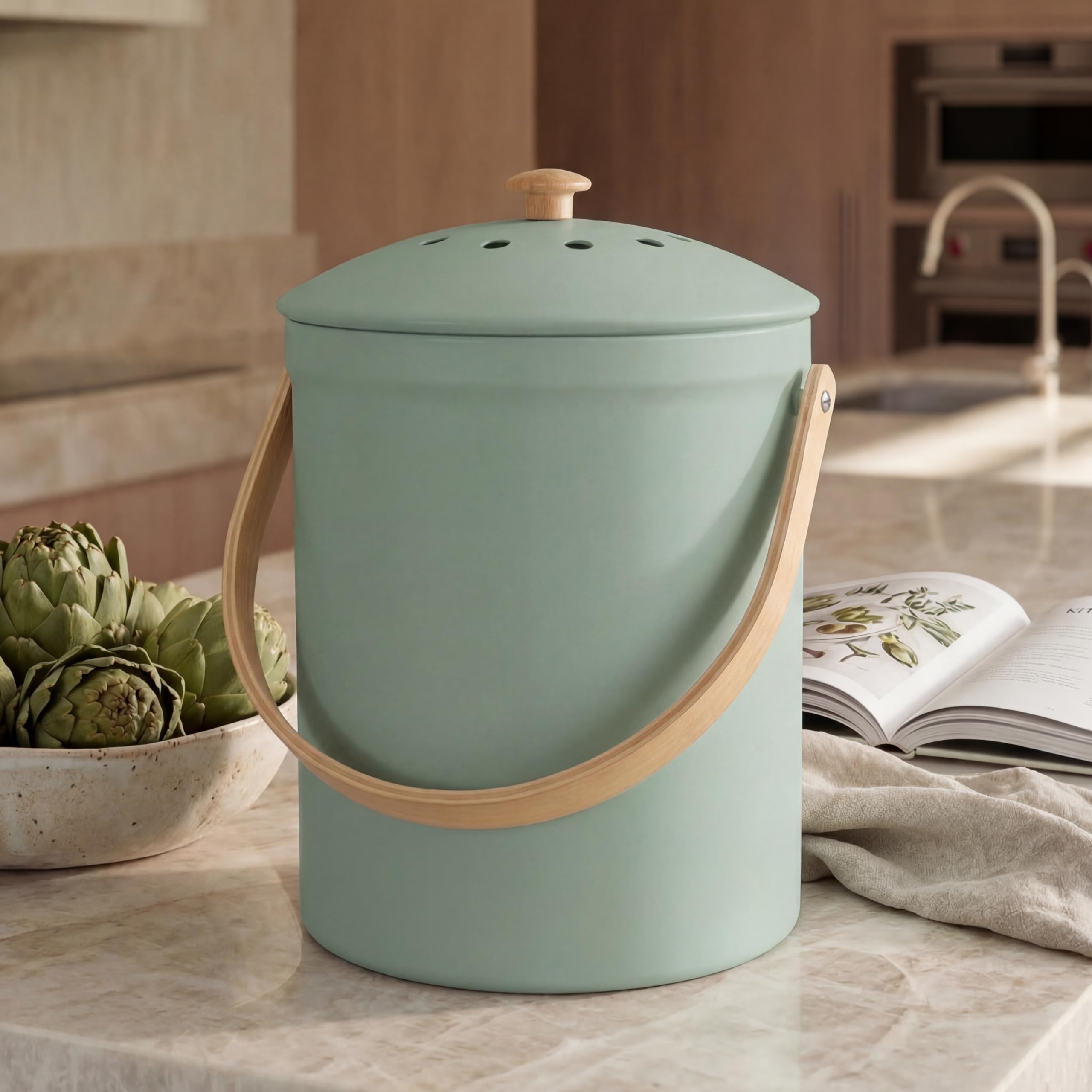
1. Kibaga Kitchen Compost Bin
This 1.1‑gallon stainless‑steel bin features a rust‑proof powder‑coated carbon steel body, a built‑in charcoal filter compartment, and a wooden handle for easy transport. Its sleek sage finish complements modern interiors, and the lid includes aeration holes that promote aerobic decomposition. With a 4.6‑star rating from 456 reviews, tenants report minimal odor and easy cleaning.
- Capacity: 1.1 gal (10.2" × 7")
- Material: Powder‑coated carbon steel, wooden handle
- Odor control: Dual charcoal filters, lid air holes
- Price: $29.99
2. Perfnique Kitchen Compost Bin
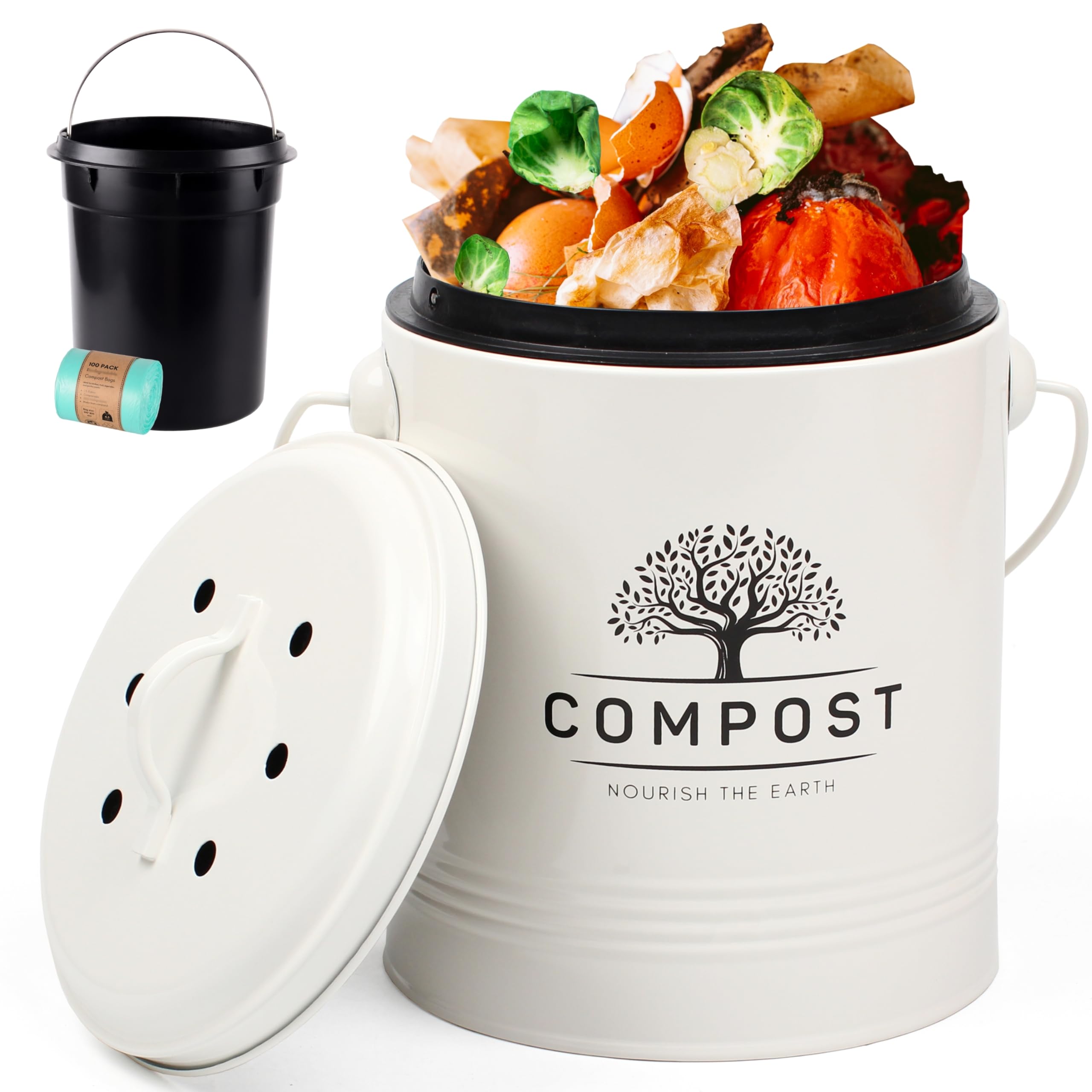
The 1.3‑gallon Perfnique bin combines a metal outer shell with a removable plastic inner pail, preventing rust and simplifying waste removal. Two active carbon filters neutralize odors for up to six months. The included biodegradable trash bags meet ASTM D6400, satisfying many municipal certification requirements.
- Capacity: 1.3 gal
- Material: Metal exterior, plastic inner pail
- Odor control: Two carbon filters (replaceable every 4‑6 months)
- Included accessories: 2 trash‑bag liners
- Price: $25.64
3. Epica Countertop Compost Bin
Epica’s stainless‑steel model is engineered for high‑traffic environments. The airtight lid and replaceable activated‑charcoal filter meet the odor‑control standards required by most rebate programs. Its one‑piece molded construction eliminates seams where leaks could develop, and the bin is certified for use with municipal compost streams.
- Capacity: 1.3 gal (7.16" diameter × 11" height)
- Material: High‑grade stainless steel
- Odor control: Replaceable charcoal filter (6‑month lifespan)
- Price: $25.18
4. T.Foring Compostable Bags
These 1.2‑gallon bags are certified by the Biodegradable Products Institute (BPI) and meet both ASTM D6400 (U.S.) and EN 13432 (EU) standards. Made from corn‑starch polymers, they decompose in home compost facilities within 6‑12 months, ensuring that the waste collected in the bins can be transferred to municipal facilities without contaminating the stream.
- Size: 15" × 15.7" (fits 1.2‑gal bins)
- Certification: BPI, OK Compost Home, CMA
- Material: Plant‑based corn‑starch, 0.8 mil thickness
- Quantity: 80 bags per roll
- Price: $8.99
Comparison and Selection Guide
When selecting a composting system for an apartment building, consider the following criteria:
| Feature | Kibaga Kitchen Compost Bin | Perfnique Kitchen Compost Bin | Epica Countertop Compost Bin | T.Foring Compostable Bags |
|---|---|---|---|---|
| Capacity | 1.1 gal | 1.3 gal | 1.3 gal | 1.2 gal (bag) |
| Material durability | Carbon steel, powder‑coated | Metal exterior, plastic inner pail | Stainless steel (corrosion‑resistant) | Compostable plant‑based |
| Odor control | Dual charcoal filters + lid air holes | Two carbon filters (replaceable) | Replaceable activated‑charcoal filter | Not applicable (bag material is odor‑neutral) |
| Price (USD) | $29.99 | $25.64 | $25.18 | $8.99 (80‑bag roll) |
| Average rating | 4.6/5 (456 reviews) | 4.5/5 (712 reviews) | 4.7/5 (20,651 reviews) | 4.5/5 (488 reviews) |
For high‑rise buildings with frequent waste turnover, the stainless‑steel Epica model offers the longest lifespan and the most reliable seal. For properties seeking a design‑forward aesthetic, the Kibaga bin adds visual appeal while still meeting odor‑control requirements. The Perfnique bin’s removable inner pail simplifies emptying for maintenance staff, and the T.Foring bags ensure compliance with certification standards.
Best Practices & Tips for Maximizing Savings
- Bundle Purchases: Many rebate programs award additional points for bulk orders of certified bags. Ordering T.Foring bags in multiples of 4 rolls can qualify for volume discounts.
- Document Every Step: Keep receipts, serial numbers, and before‑and‑after photos. Digital logs reduce the risk of missing paperwork during the verification stage.
- Engage Tenants Early: Conduct a brief orientation that explains how to separate food scraps, replace filters, and use compostable bags. Higher participation rates improve the organic waste diversion metric, which can increase rebate amounts.
- Schedule Filter Replacement: Replace charcoal filters on a 4‑ to 6‑month schedule to avoid odor complaints and stay within program specifications for odor control.
- Leverage Energy Utility Partnerships: Some utilities offer additional incentives for projects that reduce landfill‑bound waste, as it lowers methane‑related emissions. Inquire about combined rebates.
- Track Waste Metrics: Use a simple spreadsheet to log weekly bag weight. Demonstrating a consistent diversion rate above 30 % can qualify the building for tiered incentives.
Frequently Asked Questions
- What qualifies as a “certified compostable bag” for rebates? Most programs require bags that meet ASTM D6400 (U.S.) or EN 13432 (EU). The T.Foring Compostable Bags satisfy both standards.
- Can I mix metal and plastic bins in the same building? Yes, as long as each unit meets the minimum capacity and odor‑control criteria. Mixing models can address varied aesthetic preferences across floors.
- How long does the rebate approval process usually take? Approval timelines range from 30 to 90 days after submission of all required documentation and verification photos.
- Do I need a separate permit for installing compost bins? Most municipalities treat countertop bins as non‑structural equipment, so a permit is not required. However, check local waste‑management ordinances.
- What happens if the program ends before my two‑year maintenance commitment? Some agencies allow a prorated rebate repayment. Maintaining records of ongoing compliance can help negotiate a reduced repayment amount.
- Are there tax credits associated with these rebates? In several states, qualifying composting projects are eligible for state-level tax credits in addition to municipal rebates. Consult a tax professional.
Conclusion
Apartment building composting programs present a win‑win: they lower waste‑disposal costs, improve sustainability metrics, and qualify property owners for substantial rebates. By following the eligibility checklist, selecting durable, certified containers, and adhering to best‑practice maintenance, managers can maximize savings while delivering a greener living experience for tenants.
Products Featured in This Guide
Kibaga Kitchen Compost Bin
Price: $29.99 | Rating: 4.6/5 (456 reviews)
Featured for its rust‑proof steel construction, dual charcoal filters, and stylish sage finish that meets most rebate odor‑control requirements.
Perfnique Kitchen Compost Bin
Price: $25.64 | Rating: 4.5/5 (712 reviews)
Featured for its removable inner pail, included compostable bag liners, and replaceable carbon filters that simplify maintenance in high‑traffic buildings.
Epica Countertop Compost Bin
Price: $25.18 | Rating: 4.7/5 (20,651 reviews)
Featured for its stainless‑steel durability, airtight lid, and long‑lasting activated‑charcoal filter—ideal for large multi‑unit properties.
T.Foring Compostable Bags
Price: $8.99 (80‑bag roll) | Rating: 4.5/5 (488 reviews)
Featured for meeting BPI, ASTM D6400, and EN 13432 certifications, ensuring compliance with municipal compost‑acceptance standards.