Complete Guide to End-of-Life Recycling for Countertop Composters: How to Recycle, Return, or Dispose Responsibly
Introduction
Modern households increasingly rely on countertop composters to transform food scraps into valuable fertilizer. When these devices reach the end of their useful life, owners must decide how to recycle, return, or dispose of them responsibly. This guide explains the environmental, legal, and practical considerations involved in the end‑of‑life (EOL) process. Readers will learn about manufacturer take‑back programs, municipal recycling pathways, safe disposal methods, and how to select a composting unit that simplifies future recycling.
Background and Context
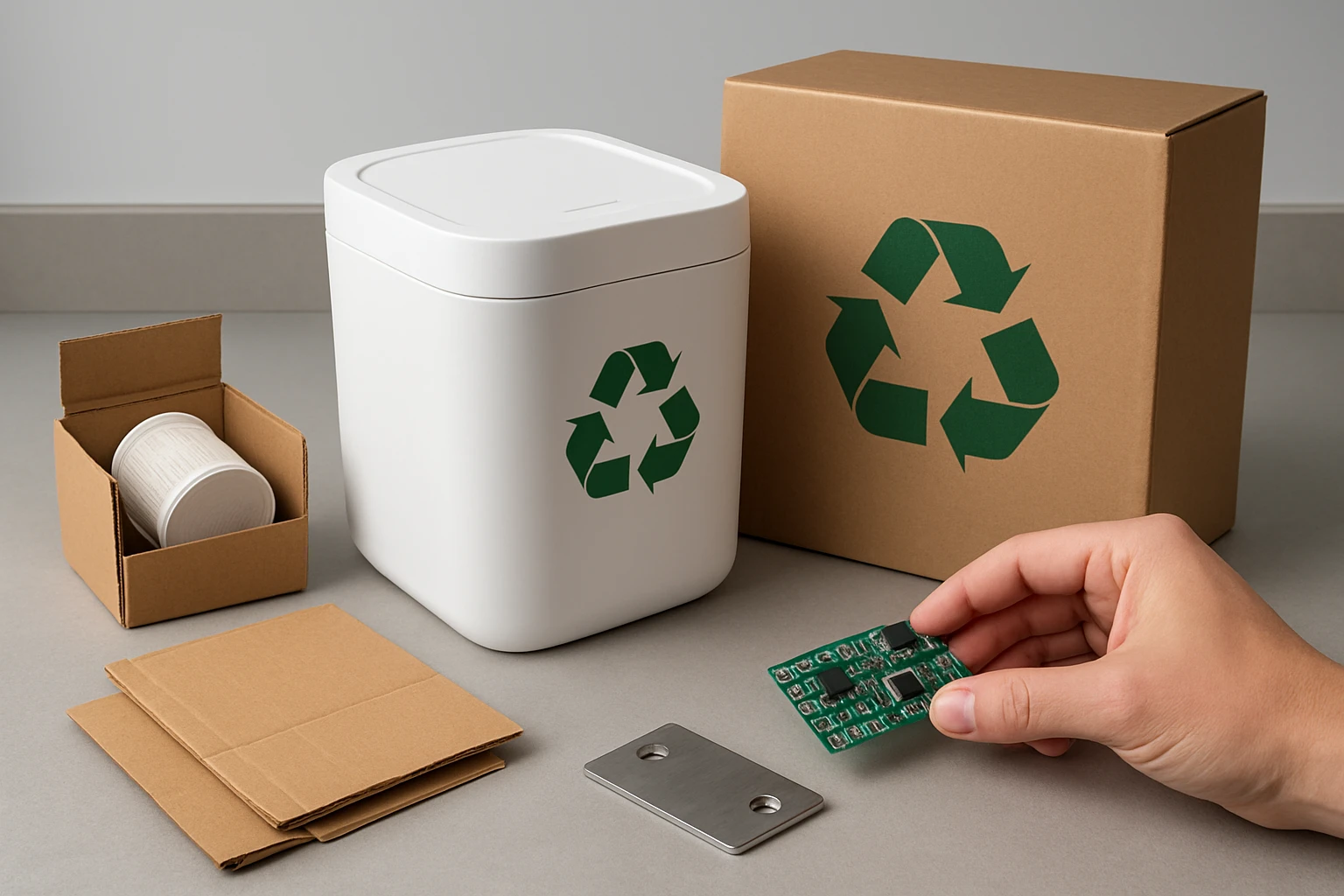
Countertop composters are classified as small electronic appliances. They contain metal housings, plastic components, electronic circuit boards, and, in some models, replaceable carbon filters. Because of these mixed materials, they are not suitable for ordinary landfill disposal in many jurisdictions. Regulations such as the Waste Electrical and Electronic Equipment (WEEE) Directive in the European Union and similar state‑level e‑waste statutes in the United States require proper handling to prevent hazardous substances from entering the environment.
Understanding the lifecycle of a composter begins with recognizing three core elements:
- Materials: Steel or aluminum frames, ABS or polypropylene plastics, lithium‑ion or NiMH batteries (if present), and carbon‑filter cartridges.
- Energy Consumption: Most units operate at low wattage, but their electronic controllers contain printed circuit boards (PCBs) that must be recycled.
- Manufacturer Responsibility: Many brands offer take‑back or refurbishing programs that reduce the burden on consumers.
By grasping these fundamentals, owners can make informed decisions that align with sustainability goals.
End‑of‑Life Options for Countertop Composters
1. Manufacturer Take‑Back Programs
Some manufacturers provide a direct channel for returning used units. The process typically involves contacting customer support, receiving a prepaid shipping label, and sending the device back for refurbishment or material recovery. Take‑back programs ensure that high‑value components such as metal housings and electronic boards are reclaimed efficiently.
2. Municipal E‑Waste Recycling
Local governments often operate e‑waste collection events or permanent drop‑off locations. Residents should verify that countertop composters are accepted, as certain jurisdictions exclude appliances larger than a specific size. When accepted, the unit is dismantled, and each material stream is sent to specialized recyclers.
3. Third‑Party Recycling Services
Independent recyclers specialize in small appliances. They may charge a modest fee but provide a convenient alternative when manufacturer programs are unavailable. Look for certifications such as R2 (Responsible Recycling) or e‑Stewards to ensure ethical processing.
4. Donation or Refurbishment
If the composter remains functional, donating to a community garden, school, or nonprofit can extend its useful life. Refurbishment programs often replace worn carbon filters and batteries, turning a near‑end‑of‑life unit into a valuable educational tool.
Product Recommendation: Smart Countertop Composting Solution
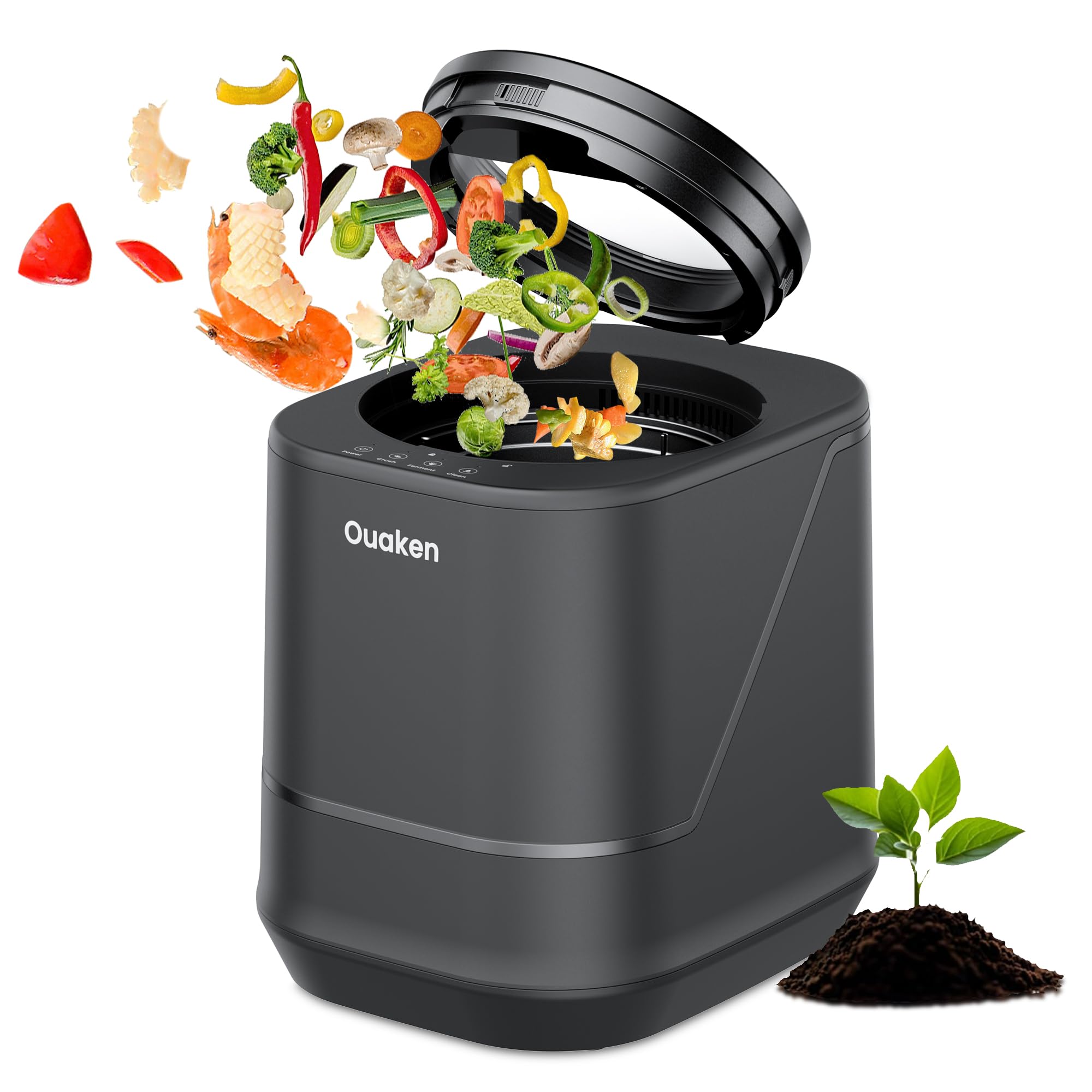
For readers seeking a reliable unit that simplifies both everyday composting and eventual recycling, the Ouaken 4L Electric Kitchen Composter stands out. This model offers a compact footprint, low‑noise operation below 40 dBA, and a detachable, dishwasher‑safe bucket. Its high‑torque blades and high‑temperature drying process reduce waste volume by up to 90 % within three hours, producing odor‑free fertilizer thanks to a long‑lasting carbon filter.
Key specifications include:
- Capacity: 4 L, suitable for a family’s daily food scraps.
- Power Consumption: Energy‑efficient motor with three operating modes—Crush, Ferment, and Clean.
- Noise Level: < 40 dBA, allowing night‑time operation.
- Carbon Filter Lifespan: Up to five months before replacement is required.
- Rating: 4.3 out of 5 stars from 788 verified reviews.
- Price: $239.97 (as of the latest listing).
The unit’s modular design—featuring a removable bucket and replaceable filter—facilitates material separation for recycling. When the appliance reaches EOL, owners can easily detach the plastic bucket, metal chassis, and electronic controller, preparing each for the appropriate recycling stream.
Comparison and Selection Guide
Selecting a countertop composter involves weighing performance, durability, and end‑of‑life considerations. The table below compares the Ouaken model with two generic alternatives commonly found on the market.
| Feature | Ouaken 4L Electric Kitchen Composter | Generic Model A (5 L, no carbon filter) | Generic Model B (3 L, manual operation) |
|---|---|---|---|
| Capacity | 4 L | 5 L | 3 L |
| Noise Level | <40 dBA | ≈55 dBA | ≈45 dBA |
| Odor Control | Carbon filter (5‑month life) | No dedicated filter | Manual venting required |
| Power Source | Electric, three modes | Electric, single mode | Manual crank |
| Recyclability | Modular components, easy disassembly | Integrated housing, harder to separate | All‑plastic, limited metal content |
| Price (USD) | $239.97 | $179.99 | $89.99 |
| Average Rating | 4.3/5 (788 reviews) | 3.9/5 (212 reviews) | 4.1/5 (95 reviews) |
When sustainability is a priority, the Ouaken unit’s clear disassembly instructions and replaceable carbon filter give it a distinct advantage. Consumers who value lower upfront cost may opt for a simpler model, but should be prepared for more complex recycling or higher odor risk.
Best Practices & Tips for Responsible End‑of‑Life Management
- Document Serial Numbers and Purchase Receipts: Keeping this information simplifies warranty claims and eligibility for manufacturer take‑back programs.
- Separate Materials Before Disposal: Remove the plastic bucket, metal frame, and electronic board. Place each in the appropriate recycling bin (plastics #1–#7, metal, e‑waste).
- Replace the Carbon Filter Early: A fresh filter reduces odor and prevents filter material from contaminating the recycling stream.
- Utilize Local E‑Waste Events: Many municipalities host quarterly collection days; check city websites for schedules.
- Consider Donation: Schools with gardening programs can benefit from a functional composter, extending product life and providing educational value.
- Secure Data on Smart Units: If the composter includes Wi‑Fi connectivity, perform a factory reset to erase any stored network credentials.
Frequently Asked Questions
1. Can I recycle the carbon filter?
The carbon filter is primarily activated charcoal encased in a plastic housing. The plastic should be placed in the general plastic recycling stream, while the charcoal can be disposed of with regular waste in most jurisdictions. Always consult local guidelines.
2. Does the Ouaken composter contain a battery?
This model operates directly from mains power and does not contain an internal battery, simplifying the recycling process.
3. How long does the manufacturer take‑back program take?
After the unit is shipped back, most manufacturers process refunds or credit within 14–21 business days, depending on inspection results.
4. What if my local recycling center does not accept small appliances?
In such cases, a third‑party e‑waste recycler that accepts electronic waste can be used. Look for certifications like R2 or e‑Stewards to ensure responsible handling.
5. Is it legal to throw a broken composter in the trash?
In many regions, discarding electronic appliances in regular landfill waste is prohibited. Violations may result in fines; therefore, always seek an approved recycling route.
6. Can I sell a used composter?
Yes, provided the unit is functional and includes all original accessories. Platforms such as eBay or local classifieds can be used, but disclose any wear or missing components.
7. Does composting reduce overall waste volume?
Yes. The Ouaken model reduces food waste by up to 90 % within three hours, converting organic matter into a usable fertilizer and decreasing the amount sent to municipal landfills.
Conclusion
Responsible end‑of‑life management of countertop composters requires awareness of material composition, local regulations, and available recycling pathways. By selecting a product such as the Ouaken 4L Electric Kitchen Composter, consumers gain a device that is both efficient in daily use and straightforward to disassemble for recycling. Following the best‑practice checklist, leveraging take‑back programs, and staying informed about municipal e‑waste services ensure that the environmental benefits of composting extend beyond the compost bin itself.
Products Featured in This Guide

Ouaken 4L Electric Kitchen Composter
Price: $239.97
Rating: 4.3 out of 5 stars (788 reviews)
Featured because it combines high‑performance composting with modular design that eases material separation for recycling, and it offers manufacturer support for end‑of‑life take‑back.