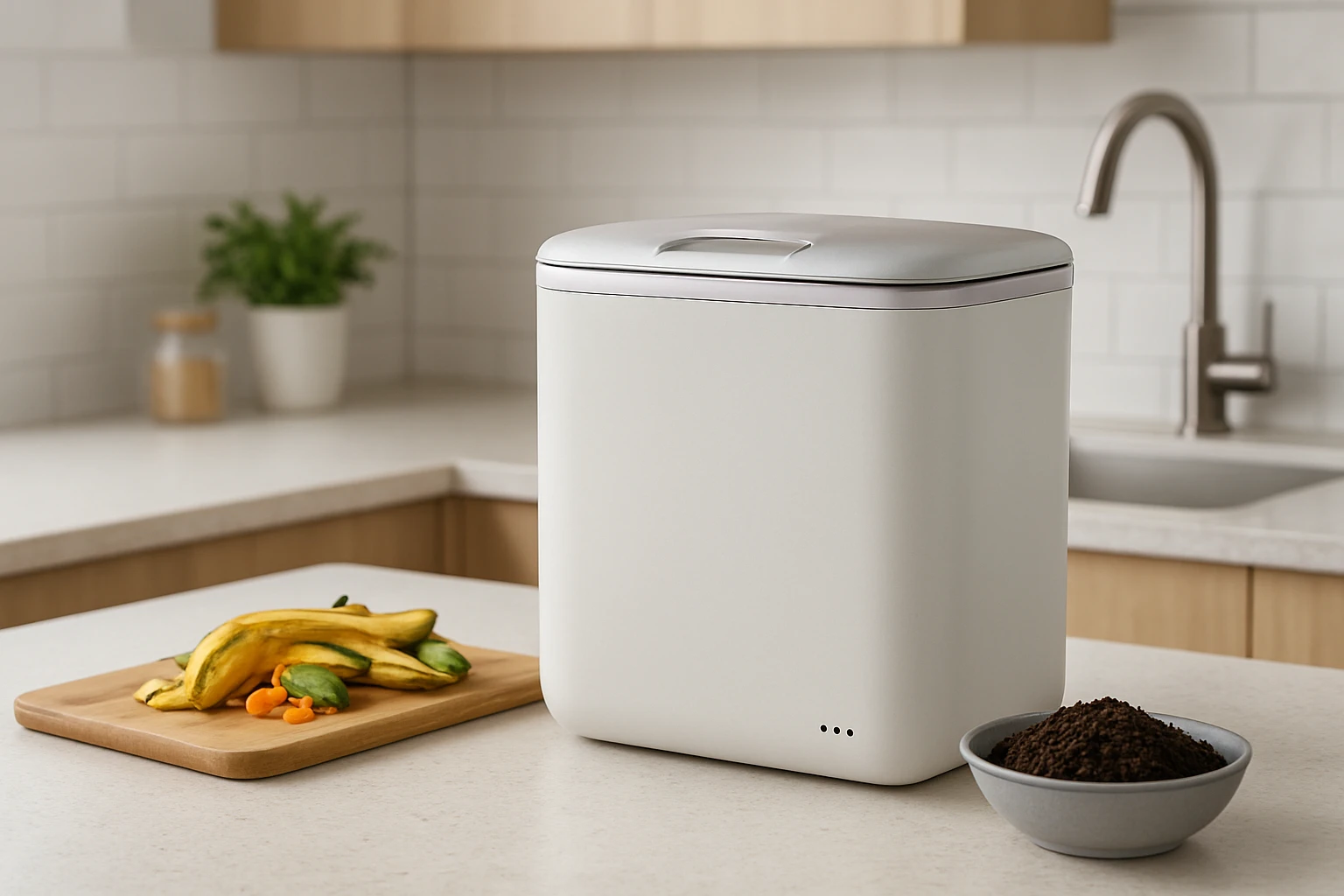

Do Countertop Composters Affect Indoor Air Quality? Expert Guide to Safety, Odor Control & Best Practices
Introduction
The modern kitchen is evolving from a mere cooking space to a hub of sustainable living. Countertop composters promise to transform food scraps into valuable organic material while occupying minimal space. This guide examines how these devices influence indoor air quality, evaluates odor‑control technologies, and provides actionable best‑practice recommendations. Readers will learn the science behind indoor composting, assess safety considerations, compare product options, and discover practical steps to maintain a fresh, healthy home environment.
Background and Context
Composting has traditionally been an outdoor activity, allowing microorganisms to break down organic matter in soil or dedicated bins. Indoor composting introduces a controlled environment where temperature, moisture, and airflow are regulated by the appliance. Understanding the biochemical processes—primarily aerobic decomposition—is essential because it determines the gases released, the potential for odors, and the overall impact on indoor air quality.
Aerobic decomposition converts carbon‑rich food waste into carbon dioxide, water, and heat. When the process is well‑ventilated and temperature‑controlled, the production of malodorous compounds such as ammonia or volatile organic compounds (VOCs) is minimized. Conversely, poor ventilation or excess moisture can foster anaerobic pockets, leading to unpleasant smells and possible health concerns.
Regulatory bodies such as the EPA and WHO emphasize adequate ventilation for indoor composting to prevent accumulation of CO₂ and other gases. While most residential kitchens already possess ventilation hoods, the additional load from a composter must be evaluated to ensure compliance with indoor air quality standards.
How Countertop Composters Work
Countertop composters, like the NutriChef Electric Kitchen Composter, employ a combination of grinding, heating, and drying cycles. The device typically follows these steps:
- Grinding: Food scraps are shredded into smaller particles, increasing surface area for microbial activity.
- Heating/Drying: Internal heaters raise the temperature to 55‑65 °C, accelerating aerobic breakdown while evaporating excess moisture.
- Cooling: A cooling phase reduces temperature to safe handling levels, preventing heat‑related hazards.
- Collection: The resulting pre‑compost material is deposited in a removable bin for later use in gardens or indoor plants.
The entire cycle lasts between six and ten hours, depending on load size and moisture content. By sealing the interior and using an odor‑filtration system, the device limits the escape of gases into the kitchen air.
Odor Control Mechanisms
Odor is the most common consumer concern with indoor composting. Effective odor control relies on three core technologies:
- Activated Carbon Filters: These adsorb volatile compounds, preventing them from reaching the user.
- Thermal Oxidation: High temperatures break down odor‑causing molecules into harmless gases.
- Airflow Design: Positive pressure fans draw air through filters, ensuring a one‑way flow that isolates the compost chamber.
The NutriChef model incorporates an advanced odorless filtration system that combines activated carbon with a sealed chamber, delivering quiet and virtually odor‑free operation. Independent user reviews (141 ratings, average 3.8/5) frequently cite the lack of noticeable smell as a key benefit.
Safety Considerations
Safety is paramount when introducing electrical appliances that generate heat and moisture into a kitchen environment. The following factors should be examined:
- Electrical Certification: Look for UL, CE, or equivalent certifications confirming compliance with safety standards.
- Temperature Controls: Built‑in thermostats prevent overheating, reducing fire risk.
- Material Durability: High‑quality PP and ABS plastics, as used in the NutriChef unit, resist cracking and chemical degradation.
- Child‑Lock Features: Some models include lockable lids to prevent accidental opening during operation.
In addition to product‑specific safeguards, users should maintain adequate clearance from walls, avoid covering ventilation openings, and ensure the appliance is placed on a stable, heat‑resistant surface.
Product Recommendation
Among the available countertop composters, the NutriChef Electric Kitchen Composter stands out for its balanced combination of functionality, size, and price. Key specifications include:
- Capacity: 3 quart (approximately 3 liters)
- Dimensions: 11.02" × 13.5" × 12.5" – suitable for most countertops
- Cycle Time: 6‑10 hours per batch
- One‑Button Operation: Simplifies use for all household members
- Odorless & Quiet: Advanced filtration and low‑noise motor design
- Price: $193.99
- Rating: 3.8/5 from 141 reviews
The unit’s dishwasher‑safe components make cleaning effortless, while safety mechanisms such as automatic shut‑off and sturdy plastic construction ensure reliable long‑term use. For readers seeking a compact, low‑maintenance solution that does not compromise indoor air quality, this model provides a compelling option.
Comparison / Selection Guide
When choosing a countertop composter, consider the following criteria and compare them across product categories:
| Criterion | NutriChef Electric Kitchen Composter | Typical Manual Countertop Bin | Large‑Capacity Outdoor Unit |
|---|---|---|---|
| Footprint | Compact (≈11" × 13" × 12") | Varies; often larger and open‑top | Bulky, requires outdoor space |
| Power Requirement | 120 V AC, 50‑60 W | None | 120 V AC, higher wattage |
| Odor Control | Activated‑carbon filter + sealed chamber | None; relies on ventilation | Often includes bio‑filter but still emits odor |
| Processing Time | 6‑10 h per batch | Weeks to months | Days to weeks |
| Safety Features | Auto‑shutoff, heat‑resistant plastics | None | Generally robust but may lack auto‑shutoff |
| Price | $193.99 | $20‑$50 | $300‑$800 |
| Impact on Indoor Air Quality | Minimal when used as directed | Potential for odors if not managed | Not applicable (outdoor) |
Readers should prioritize odor control, safety mechanisms, and size relative to kitchen layout. If budget is the primary constraint, a manual bin may suffice, but it demands diligent turning and ventilation to avoid indoor air quality issues.
Best Practices & Tips
Even the most advanced composter requires proper user habits to maintain optimal indoor air quality:
- Pre‑Sort Waste: Remove large bones, excessive liquids, and dairy products that can increase moisture and odor.
- Balance Green and Brown Materials: Combine fruit/vegetable peels (greens) with shredded paper or cardboard (browns) to achieve a carbon‑to‑nitrogen ratio of roughly 30:1.
- Do Not Overload: Fill the chamber no more than two‑thirds full to allow adequate airflow and efficient drying.
- Maintain the Filter: Replace the activated carbon filter every 3‑4 months, or when a decline in odor control is noticed.
- Schedule Regular Cycles: Run the composter daily or every other day to prevent buildup of wet waste.
- Ventilate the Kitchen: Use the range hood or an exhaust fan during operation to disperse any residual gases.
- Clean Removable Parts: Follow the dishwasher‑safe instruction for the bucket and grinding chamber to avoid mold growth.
Implementing these practices ensures that the device operates within its design parameters, thereby protecting indoor air quality and extending the appliance’s lifespan.
Frequently Asked Questions
- 1. Does a countertop composter increase carbon dioxide levels in my home?
- Aerobic decomposition releases CO₂, but the amount generated by a single 3‑quart unit is negligible compared to normal household activities. Proper ventilation eliminates any measurable impact.
- 2. Can I compost meat or dairy in an electric composter?
- Most countertop models, including the NutriChef, advise against meat, fish, and dairy because they produce higher odor and can promote anaerobic conditions.
- 3. How often should I clean the filter?
- Replace the activated carbon filter every three to four months, or sooner if you notice a decline in odor suppression.
- 4. Is the noise level truly silent?
- The NutriChef unit operates at a low decibel range (approximately 45 dB), comparable to a quiet conversation, making it suitable for open‑plan living spaces.
- 5. What happens to the material after the cycle completes?
- The output is a dry, crumbly pre‑compost that can be mixed into garden soil, added to potting mixes, or stored for later use.
- 6. Will the appliance work during a power outage?
- No. Because the process relies on electric heating and fans, operation stops when power is lost. The unit automatically resumes when power returns.
- 7. Is there a risk of fire?
- Safety features such as auto‑shutoff and temperature regulation minimize fire risk. Nevertheless, users should never cover ventilation openings and should keep the appliance away from flammable materials.
Conclusion
Countertop composters can be integrated into modern kitchens without compromising indoor air quality, provided that users select a model with robust odor‑control and safety features and adhere to best‑practice guidelines. The NutriChef Electric Kitchen Composter exemplifies a well‑engineered solution that balances compact design, quiet operation, and effective filtration. By following the recommended practices—pre‑sorting waste, maintaining filters, and ensuring adequate ventilation—homeowners can enjoy the environmental benefits of composting while preserving a fresh, healthy indoor environment.
Products Featured in This Guide
NutriChef Electric Kitchen Composter
Price: $193.99
Rating: 3.8/5 (141 reviews)
Featured because it provides compact, low‑noise, odorless composting with one‑button operation, making it ideal for indoor air‑quality‑conscious kitchens.