
Introduction
The modern kitchen increasingly demands sustainable solutions for food waste management. Two products dominate the Amazon marketplace: the Food Cycler Eco 3 and the Epica Stainless Steel Countertop Composter. Both claim to transform organic scraps into usable material while eliminating odors, yet they differ dramatically in technology, price, and user experience. This article evaluates each device objectively, helping readers decide which solution aligns with their environmental goals and kitchen constraints.
Understanding the distinctions matters because food waste accounts for roughly 30 percent of municipal solid waste in the United States. Choosing an efficient indoor composting system can reduce landfill contributions, lower household waste fees, and provide nutrient‑rich compost for gardens. The comparison below examines price and value, feature sets, customer feedback, performance reliability, and ideal use cases.
Individual Product Overviews
Food Cycler Eco 3
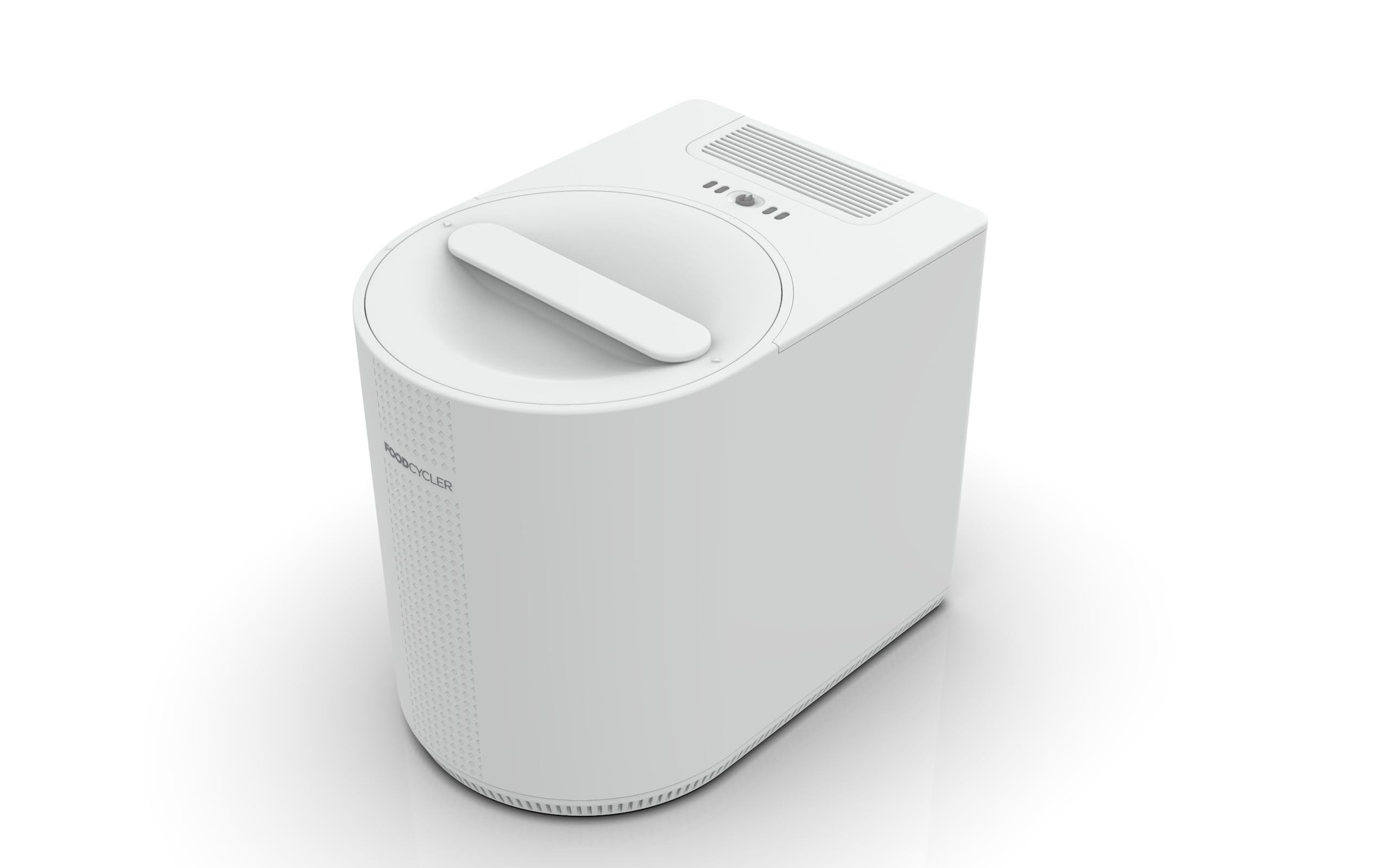
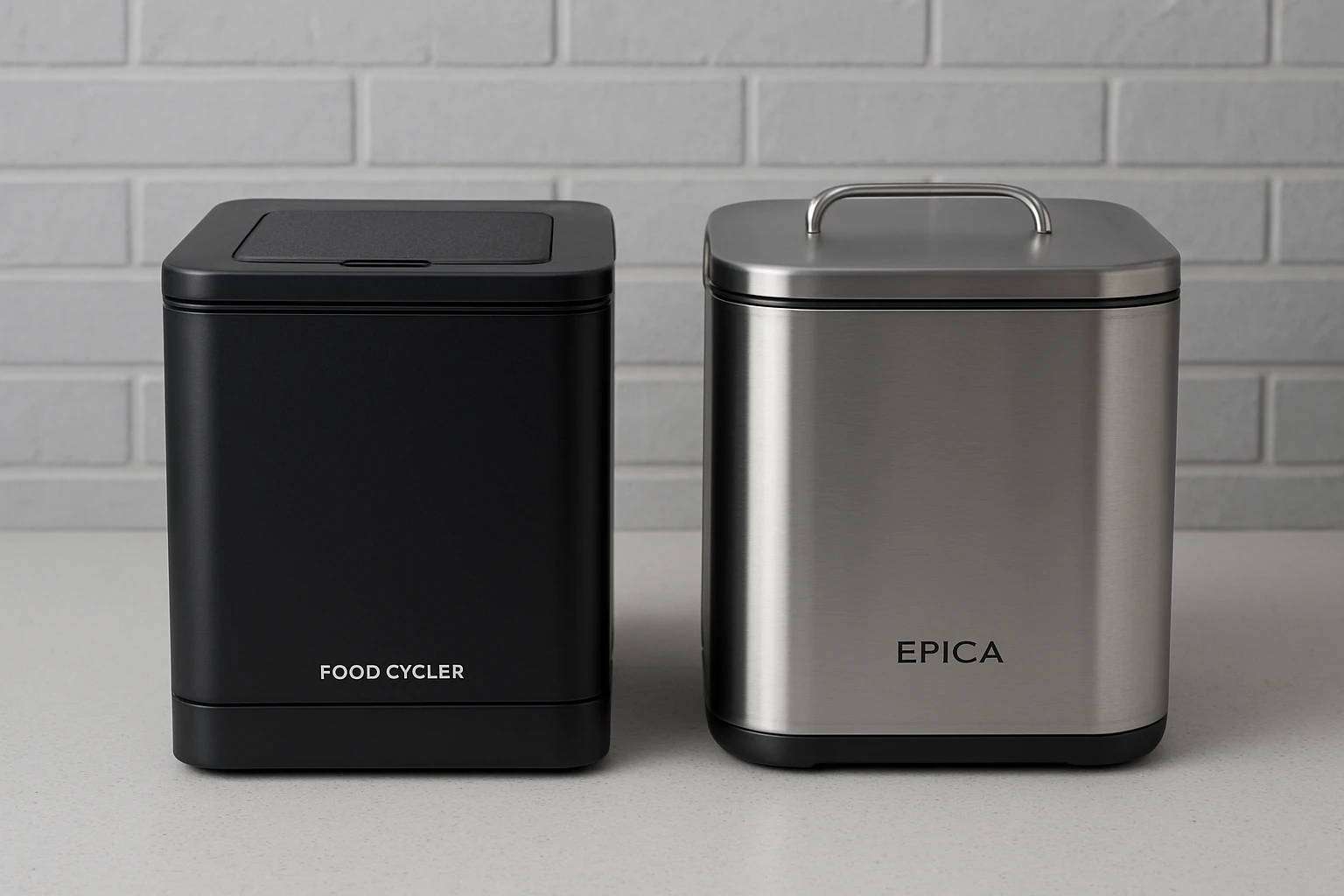
The Food Cycler Eco 3 is an electric countertop recycler that grinds food scraps into a dry, soil‑enriching material. Priced at $399.99, it carries a 4.4‑star rating from 163 Amazon reviews. Its compact dimensions—11" high, 9" wide, and 13" deep—allow placement on most kitchen counters or inside cabinets. The device operates with a patented Vortech™ grinding system, a refillable carbon filter for odor control, and a one‑touch button with progress LEDs. According to reviewers, the unit runs quietly and consumes less power than a typical clothes dryer.
Epica Stainless Steel Countertop Composter
The Epica Stainless Steel Countertop Composter is a passive, non‑electric bin designed for indoor composting. It costs $31.95 and enjoys a 4.7‑star rating from 20,673 reviews, reflecting broad consumer acceptance. The stainless‑steel cylinder measures 7.16" in diameter and 11" high, holding approximately 1.3 gallons of organic waste. An airtight lid combined with a replaceable activated‑charcoal filter controls odors naturally. The one‑piece molded construction resists rust and leaks, and the high‑grade steel is marketed as scratch‑resistant and non‑toxic.
Head‑to‑Head Comparison
Price and Value
- Food Cycler Eco 3: $399.99 for a powered unit that reduces waste to dry compost in hours. The high upfront cost may be justified for users seeking rapid processing and minimal manual effort.
- Epica Stainless Steel Countertop Composter: $31.95 for a passive bin that requires weeks to decompose material. The low price makes it accessible for budget‑conscious households, but the slower turnaround may limit convenience.
Features and Specifications
| Feature | Food Cycler Eco 3 | Epica Stainless Steel Countertop Composter |
|---|---|---|
| Power Source | Electric (plug‑in) | None (passive) |
| Processing Time | 2‑4 hours per cycle | Several weeks |
| Capacity | 3.5 L (approx. 0.9 gal) | 1.3 gal |
| Dimensions (H×W×D) | 11" × 9" × 13" | 11" × 7.16" diameter |
| Odor Control | Carbon filter (refillable) | Activated‑charcoal filter (replaceable) |
| Noise Level | Quiet (manufacturer claims) | Silent (no motor) |
| Material | Plastic housing, metal grinding chamber | High‑grade stainless steel |
Customer Ratings and Feedback
The Food Cycler Eco 3 holds a 4.4‑star rating based on 163 reviews. Reviewers frequently praise the unit’s ease of use, odor‑free operation, and rapid processing. One customer wrote, "I set it and forget it; the compost comes out dry and ready for my garden." Negative comments often mention the high price and occasional need to replace the carbon filter.
The Epica Composter enjoys a higher 4.7‑star rating from 20,673 reviews. Users highlight its sturdy construction, effective odor suppression, and value for money. A typical compliment reads, "The stainless steel looks great on my counter and the charcoal filter keeps smells away." Detractors note the long composting time and the requirement to manually turn the material.
Performance and Reliability
The Food Cycler Eco 3’s patented Vortech™ system claims to grind bones, pits, and tough peels that other indoor composters cannot handle. Independent user reports confirm that the unit can process a variety of scraps without jamming. Power consumption is described as lower than a clothes dryer, making it energy‑efficient for occasional use.
The Epica Composter relies on natural aerobic decomposition. Its airtight lid and charcoal filter create a low‑odor environment, but performance depends on ambient temperature and user maintenance. Long‑term durability is supported by the stainless‑steel body, which resists rust and dents.
Best Use Cases
- Food Cycler Eco 3: Ideal for apartment dwellers, busy professionals, or households that generate a moderate amount of waste and desire rapid conversion to dry compost.
- Epica Stainless Steel Countertop Composter: Suited for gardeners who prefer a low‑tech solution, families with larger waste volumes, or consumers seeking an affordable entry point to indoor composting.
Pros & Cons
Food Cycler Eco 3
- Pros: Fast processing, handles tough scraps, odorless operation, compact footprint, low energy use.
- Cons: High purchase price, periodic filter replacement cost, limited capacity compared to bulk compost bins.
Epica Stainless Steel Countertop Composter
- Pros: Very low cost, durable stainless‑steel construction, silent operation, simple maintenance.
- Cons: Slow decomposition, requires manual turning, limited odor control if filter is not replaced regularly.
Recommendations
For consumers who value convenience, speed, and minimal hands‑on effort, the Food Cycler Eco 3 is the recommended choice. It justifies its premium price through rapid processing and the ability to handle a wide range of food waste.
For budget‑oriented households, urban gardeners, or users who enjoy a traditional composting experience, the Epica Stainless Steel Countertop Composter provides excellent value and durability. Its passive design requires patience but incurs minimal ongoing costs.
FAQ
- Can the Food Cycler Eco 3 process meat and bones? Yes, the patented Vortech™ grinding system is designed to handle small bones, pits, and meat scraps without jamming.
- How often must the carbon filter be replaced in the Food Cycler? The manufacturer recommends replacing the refillable carbon filter every three to six months, depending on usage frequency.
- Is the Epica Composter completely odor‑free? The activated‑charcoal filter significantly reduces odors, but occasional smells may occur if the bin is overfilled or the filter is not replaced on schedule.
- Do either of these units require electricity? Only the Food Cycler Eco 3 requires electricity; the Epica Composter is a non‑electric, passive system.
- Can I use the compost from either device in indoor plants? Yes, both produce a dry, nutrient‑rich material suitable for indoor pots, garden beds, or as a soil amendment.
Conclusion
Both the Food Cycler Eco 3 and the Epica Stainless Steel Countertop Composter address the growing need for indoor food‑waste solutions, yet they serve distinct market segments. The Eco 3 excels in speed, versatility, and user convenience at a premium price, while the Epica model offers an affordable, durable, and low‑maintenance option for those willing to wait for natural decomposition. Ultimately, the decision hinges on budget, desired processing time, and personal preference for active versus passive composting methods.
Products Mentioned in This Review
Frequently Asked Questions
What are the main technology differences between the Food Cycler Eco 3 and the Epica Stainless Steel Countertop Composter?
The Eco 3 uses a patented dehydration and grinding process, while the Epica relies on traditional aerobic composting with a stainless‑steel chamber.
Which model is more effective at eliminating odors during operation?
Both claim odor‑free operation, but the Eco 3’s sealed system and built‑in carbon filter generally provide stronger odor control than the Epica’s passive venting.
How do the capacities and processing times compare?
The Eco 3 processes up to 1 kg of waste in about 2‑3 hours, whereas the Epica handles roughly 0.5 kg and may take 6‑8 hours for full decomposition.
Is the price difference justified by performance and features?
The Eco 3 is higher‑priced but offers faster processing, automatic cycles, and a sleek design; the Epica is cheaper but slower and requires more manual maintenance.
What type of household is best suited for each composting system?
The Eco 3 fits busy kitchens needing quick, low‑maintenance results, while the Epica suits eco‑enthusiasts who prefer a traditional composting feel and have more time for upkeep.