Introduction
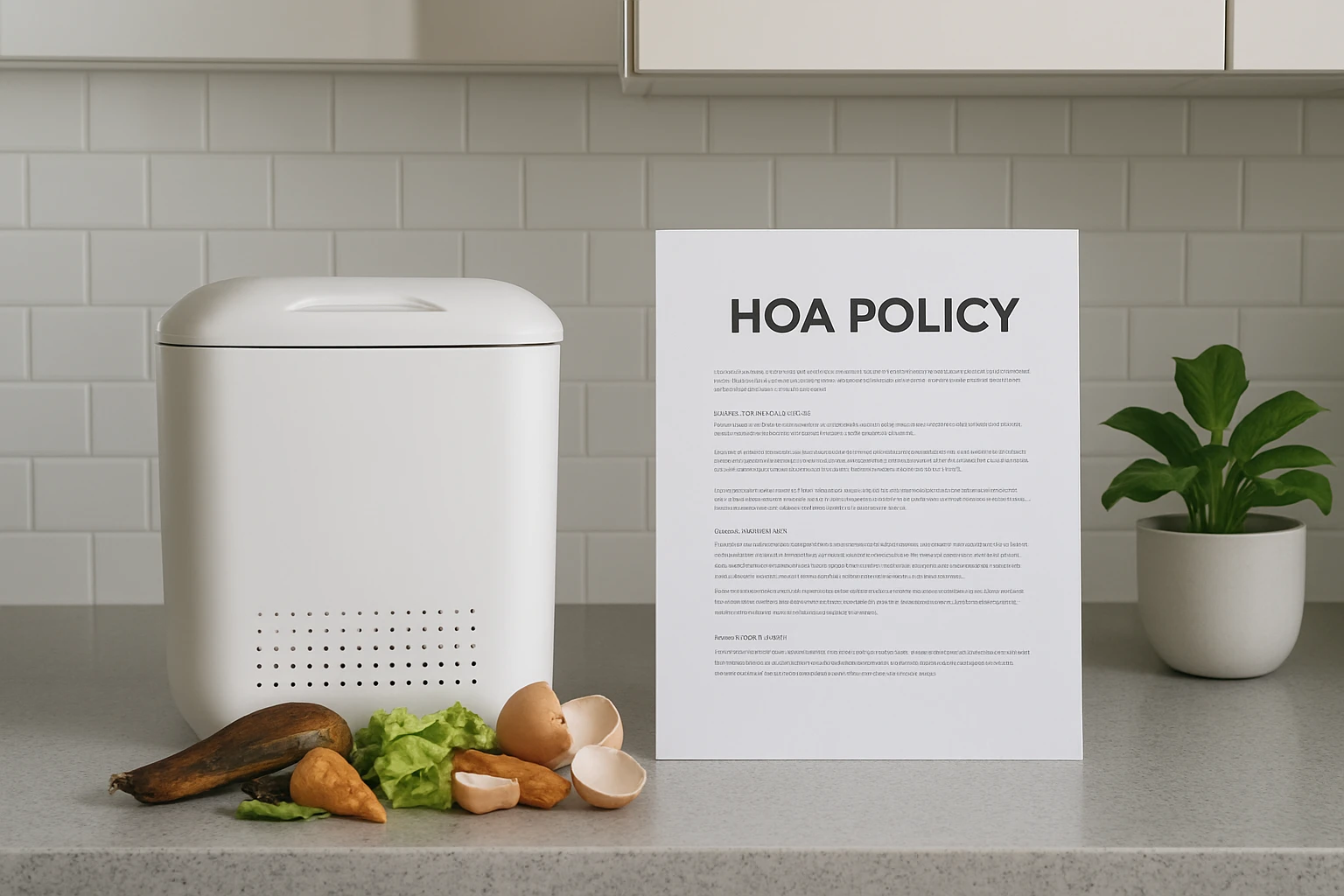
The rise of sustainable living has placed countertop composters at the forefront of modern kitchens. Homeowners associations (HOAs) frequently encounter requests to permit these devices, yet many lack clear guidance. This guide explains how to develop a comprehensive HOA policy for countertop composters, provides a free downloadable template, and recommends a top‑rated product that aligns with community standards. Readers will leave with a structured framework, practical tips, and confidence to balance environmental goals with resident harmony.
Background and Context
Countertop composters transform food scraps into nutrient‑rich fertilizer within hours, reducing landfill waste and lowering municipal disposal fees. The technology relies on high‑temperature drying, grinding, and odor‑control filters, which differ significantly from traditional outdoor compost bins. HOAs must consider noise levels, odor mitigation, safety standards, and aesthetic integration when drafting policies. Understanding these technical aspects ensures that regulations are both realistic and supportive of sustainable practices.
Understanding HOA Policy Needs
Effective policies begin with a clear definition of scope. HOAs should identify which units are eligible, specify permissible device dimensions, and outline maintenance responsibilities. Policies must also address common concerns such as:
- Noise emissions – ensuring devices operate below a threshold that does not disturb neighbors.
- Odor control – requiring carbon filters or sealed compartments to maintain indoor air quality.
- Safety – mandating electrical certifications and prohibiting placement near heat sources.
- Uniform appearance – encouraging colors or designs that complement existing kitchen décor.
By articulating these elements, the board creates a transparent framework that reduces disputes and fosters community buy‑in.
Policy Development Process
Step 1: Conduct a resident survey to gauge interest and identify potential objections. Collect data on preferred device types, anticipated usage frequency, and any accessibility concerns. Step 2: Review local building codes and fire regulations to confirm compliance for electrical appliances used indoors. Step 3: Draft the policy language, incorporating the scope, technical standards, and enforcement mechanisms. Step 4: Present the draft at a board meeting, allowing members to propose amendments. Step 5: Finalize the policy, obtain a formal vote, and publish the document on the HOA portal.
The following free template can be copied and customized for any community:
HOA Countertop Composter Policy – Template
1. Purpose – Encourage sustainable waste management while preserving resident comfort.
2. Eligible Devices – Must be electric, countertop‑size (max 5 L capacity), and certified by UL or equivalent.
3. Noise Limit – Devices shall not exceed 45 dBA measured at a distance of 3 ft.
4. Odor Control – Must include an activated‑carbon filter with a minimum lifespan of three months.
5. Installation – Devices must be placed on a stable, heat‑resistant surface and kept at least 12 in away from open flames.
6. Maintenance – Owners are responsible for routine cleaning; the HOA may request periodic inspections.
7. Enforcement – Violations will result in a written notice, followed by a 14‑day remediation period before fines are applied.
8. Amendment – Policy may be revised by a majority vote at a duly noticed meeting.
This template provides a solid foundation; boards should adapt language to reflect local regulations and community preferences.
Integrating Countertop Composters into Community Living
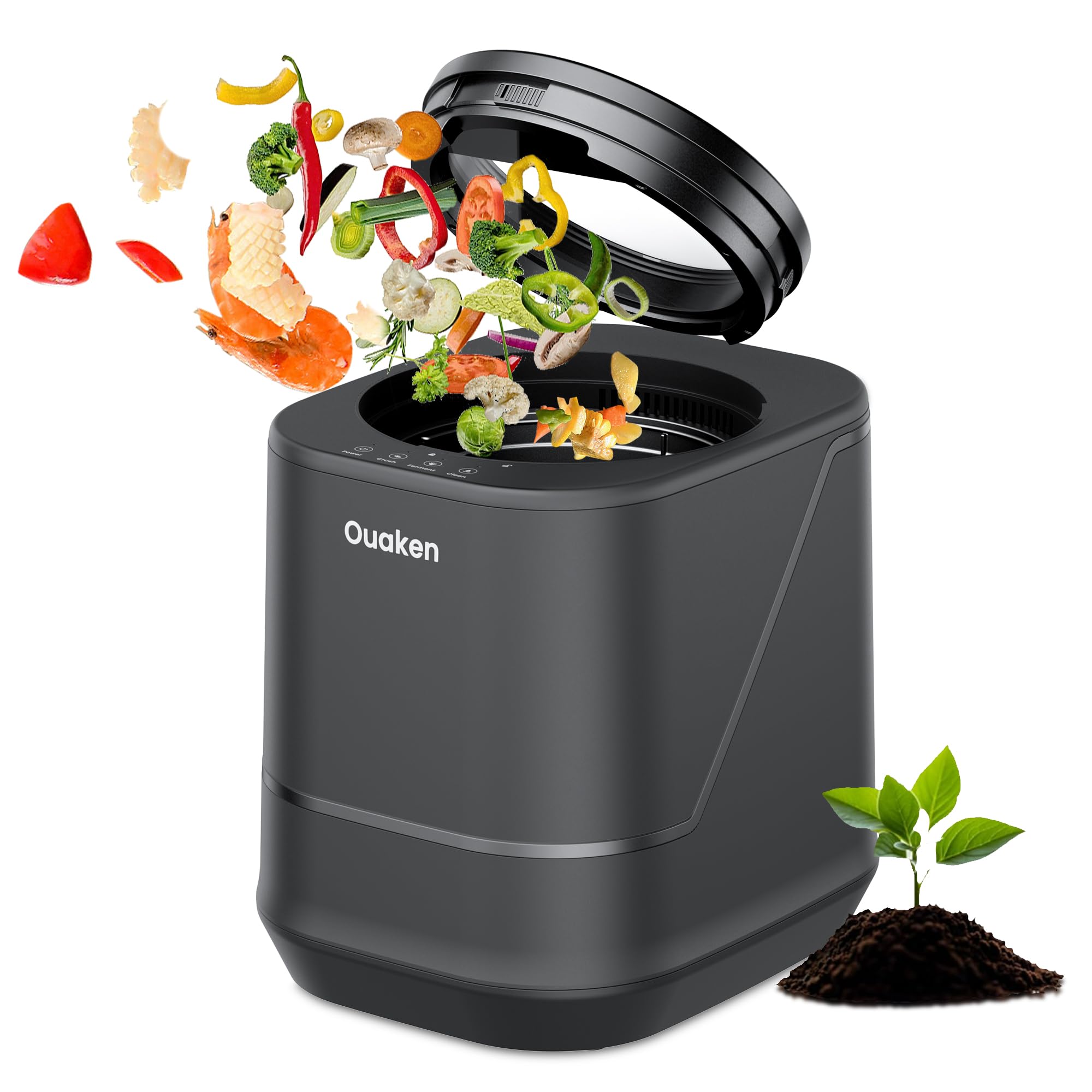
When a policy is in place, the next step is to recommend devices that meet the established standards. A product that consistently satisfies noise, odor, and capacity criteria simplifies compliance for residents. The Ouaken Electric Kitchen Composter exemplifies such a solution.
Key attributes include:
- Capacity: 4 L, suitable for a family’s daily food waste.
- Noise Level: Operates below 40 dBA, well within most HOA noise limits.
- Odor Management: Equipped with a large‑capacity carbon filter lasting up to five months.
- Energy Efficiency: Low‑speed, high‑torque blades reduce power consumption while processing a variety of food scraps.
- User Interface: Touch‑screen controls offering Crush, Ferment, and Clean modes for flexible operation.
- Safety: Certified electrical components and a transparent lid for visual monitoring.
- Rating: 4.2 out of 5 stars from 802 verified reviews, indicating broad resident satisfaction.
- Price: $239.99, representing a mid‑range investment for long‑term waste reduction.
Because the device meets the noise and odor thresholds outlined in most HOA policies, it serves as a practical recommendation for residents seeking compliance without sacrificing convenience.
Comparison and Selection Guide
| Feature | Ouaken Electric Kitchen Composter | Typical Competitor (e.g., 5 L Model) |
|---|---|---|
| Capacity | 4 L | 5 L |
| Noise Level | <40 dBA | 45–50 dBA |
| Carbon Filter Life | Up to 5 months | 2–3 months |
| Modes | Crush, Ferment, Clean | Crush, Ferment |
| Price | $239.99 | ≈$199.99 |
| Customer Rating | 4.2/5 (802 reviews) | 3.8/5 (approx.) |
Residents should prioritize low noise, reliable odor control, and ease of maintenance when selecting a model. The Ouaken unit excels in these areas, justifying its slightly higher price point.
Best Practices & Tips for Residents
Even with a compliant device, proper usage maximizes benefits and minimizes complaints. Consider the following recommendations:
- Pre‑process scraps: Remove large bones, shells, and excessive liquids before loading to reduce strain on the grinder.
- Use the appropriate mode: Choose Crush mode for quick volume reduction and Ferment mode for higher‑quality fertilizer.
- Maintain the carbon filter: Replace the filter after five months or when odor levels rise, as indicated by the device’s alert system.
- Schedule regular cleaning: Activate the Clean mode weekly to prevent residue buildup and extend the unit’s lifespan.
- Educate household members: Ensure everyone understands what can and cannot be composted to avoid jams and odor spikes.
By following these practices, residents demonstrate responsible stewardship, reinforcing the HOA’s sustainability goals.
Frequently Asked Questions
1. Are countertop composters allowed in all HOA communities?
Permission depends on the governing documents. Some HOAs already include sustainability clauses, while others require a specific amendment. The policy template provided can be adapted to grant approval.
2. Will the device increase my electricity bill?
These units consume modest power, typically 70–120 W per cycle. Annual electricity impact is usually less than $10, far outweighed by waste‑disposal savings.
3. How often must the carbon filter be replaced?
The Ouaken model’s filter lasts up to five months under normal household use. Replace it sooner if you notice a persistent odor.
4. Can the compost be used on all plants?
The fertilizer produced is rich in nitrogen and phosphorus, suitable for most garden vegetables, shrubs, and indoor plants. Avoid applying directly to acid‑sensitive species without testing.
5. What happens if a resident violates the policy?
Standard enforcement includes a written notice, a 14‑day remediation period, and, if unaddressed, a fine as stipulated in the HOA’s violation schedule.
6. Is the device safe for households with children?
Yes, the unit includes safety interlocks and a transparent lid that prevents accidental access to moving blades.
Conclusion
Developing an HOA policy for countertop composters balances environmental ambition with community harmony. By defining clear technical standards, offering a free policy template, and recommending a proven product such as the Ouaken Electric Kitchen Composter, boards can facilitate sustainable waste management without compromising resident comfort. Implement the steps outlined, engage stakeholders, and monitor compliance to ensure long‑term success.
Products Featured in This Guide
Ouaken Electric Kitchen Composter
Price: $239.99
Rating: 4.2 out of 5 stars (802 reviews)
Featured because it meets HOA noise (<40 dBA) and odor‑control requirements, offers multiple operating modes, and provides a reliable, user‑friendly solution for indoor composting.