How to Host a Compost Exchange in an Apartment Building: A Step-by-Step Guide for Residents
Introduction
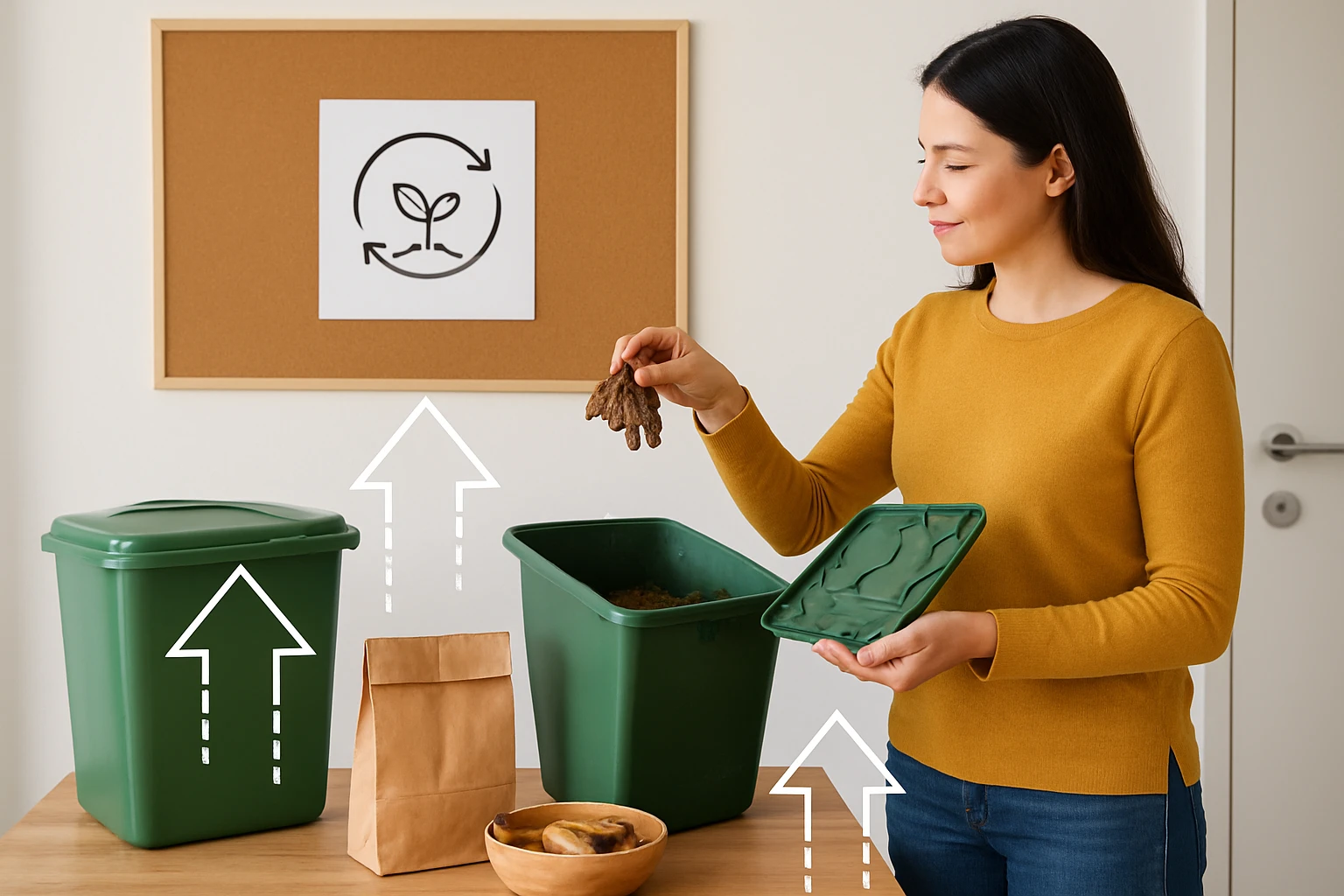
This guide explains how to organize a community compost exchange within an apartment building, from securing permission to managing the flow of organic waste. Residents will learn how to create a sustainable system that reduces landfill contributions and provides nutrient‑rich compost for balcony gardens. The article highlights practical tools, such as compact bins and vermicomposting bags, that simplify collection and processing. By following each step, one can foster collaboration, improve waste hygiene, and enhance the building’s environmental profile.
What You’ll Need
- Reusable collection containers for each floor
- A central vermicomposting unit or tumbler
- Odor‑control kitchen compost bins for individual apartments
- Signage, labels, and basic cleaning supplies
Step 1: Form a Planning Committee
Begin by gathering a small group of interested neighbours who are willing to share responsibilities. Assign roles such as communications coordinator, logistics manager, and sustainability advocate. Schedule a brief meeting in a common area to outline goals, timelines, and expected participation levels. Document decisions in a shared spreadsheet so that every resident can view progress.
Step 2: Obtain Building Approval
Prepare a concise proposal that describes the compost exchange, its benefits, and the safety measures you will implement. Present the plan to the property manager or homeowners’ association during a regular meeting. Emphasise that the system will not generate excessive noise, pests, or odors when proper containers are used. Secure written permission before purchasing any equipment.
Step 3: Gather Collection Containers
Each floor should have a sturdy, leak‑proof container where residents can deposit kitchen scraps. The Barnyard Designs Kitchen Compost Bin is an ideal choice because it features three odor‑absorbing filters, a removable inner bucket, and a compact footprint that fits under a sink or on a countertop. Priced at $24.95 with a 4.5‑star rating from 1,200 reviews, the bin offers rust‑proof galvanized steel construction and a fresh‑airflow lid that prevents unpleasant smells. Residents can keep the bin in their kitchens and empty it into the central collection point once a day.
Step 4: Set Up a Central Vermicomposting Station
To transform collected scraps into usable fertilizer, install a vermicomposting unit in a well‑ventilated utility closet or rooftop shed. The Urban Worm Bag provides 4 sq ft of worm‑friendly space, a removable bottom for easy harvest, and a breathable 900D oxford fabric that maintains aerobic conditions. At $139.00 and a 4.4‑star rating from 571 reviewers, the bag can process up to 3–4 lb of organic waste per day and yields high‑quality castings after four to six months. Its tool‑free assembly and iron frame make it suitable for apartment settings where space is limited.
Step 5: Offer a Rapid Compost Turnover Option
For residents who prefer faster decomposition, a dual‑chamber tumbler can be placed alongside the worm bag. The Nazhura Dual Chamber Compost Tumbler rotates to introduce oxygen, accelerates heat generation, and allows one chamber to compost while the other is being loaded. Priced at $62.96 with a 4.4‑star rating from 2,800 reviews, the tumbler includes a bundled pair of gardening gloves for safe handling. Its insulated chambers preserve heat, reducing the composting cycle to a matter of weeks rather than months.
Step 6: Create Clear Signage and Schedule
Design simple posters that illustrate what can and cannot be composted, using icons for fruit peels, coffee grounds, and paper. Place signs on each collection bin and near the central station. Establish a weekly “exchange day” when volunteers transport full bins to the vermicomposting bag or tumbler, then return the emptied containers to the floors. Use a shared calendar app so that participants receive reminders and can sign up for shifts.
Step 7: Educate Participants
Host a short workshop in the community room to demonstrate how to use the Barnyard Designs Kitchen Compost Bin correctly, how to maintain moisture in the Urban Worm Bag, and how to rotate the Nazhura Dual Chamber Compost Tumbler. Provide printed handouts that list troubleshooting tips, such as adding shredded newspaper to balance moisture or adjusting the tumbler rotation frequency. Encourage questions to build confidence and reduce the likelihood of contamination.
Tips & Pro Tips
- Keep a small spray bottle nearby to mist the worm bag if the bedding feels dry.
- Rotate the compost tumbler every 3–4 days; more frequent turning speeds up decomposition during warm months.
- Label each floor’s collection bin with a colour code that matches the corresponding entry in the shared spreadsheet.
- Use biodegradable liners in the kitchen bins to simplify cleaning and minimise plastic waste.
Troubleshooting
- Odor problem: Verify that the kitchen bin’s filters are not clogged and that the worm bag’s bottom remains slightly open to allow excess moisture to escape.
- Slow decomposition: Add a handful of shredded newspaper or cardboard to increase carbon content and balance the nitrogen‑rich food scraps.
- Bin overflow: Schedule an additional mid‑week pickup or distribute excess material to neighbouring residents who have spare capacity.
Conclusion
By following these seven steps, residents can launch a compost exchange that transforms everyday kitchen waste into valuable organic fertilizer. The combination of a compact kitchen bin, a high‑capacity worm bag, and an efficient tumbler ensures that both slow and rapid composting needs are met. The initiative not only reduces landfill contributions but also strengthens community ties and promotes greener living in an apartment environment. Start planning today, and watch your building’s waste footprint shrink dramatically.
Products Mentioned in This Guide
Frequently Asked Questions
How can I get permission from building management to start a compost exchange?
Submit a brief proposal outlining the benefits, required space, and safety measures, then request a meeting with the property manager or board.
What type of containers are best for collecting organic waste on each floor?
Use sturdy, reusable bins with tight‑fitting lids and separate compartments for food scraps to control odors and pests.
How do I prevent odors and pests in a shared compost system?
Provide odor‑control kitchen bins for residents, keep bins sealed, and regularly clean collection points with basic cleaning supplies.
What is a simple way to process collected waste without a full compost pile?
Set up a central vermicomposting unit or a tumbling compost bin in a common area to accelerate decomposition and produce nutrient‑rich compost.
How can I encourage resident participation in the compost exchange?
Create clear signage, distribute flyers, and use a communications coordinator to send regular updates and reminders about drop‑off times and benefits.