
How to Make Compost Tea From an Electric Countertop Composter: Easy DIY Recipe for Nutrient‑Rich Plant Fertilizer
Introduction
Readers will learn how to transform kitchen waste into a liquid fertilizer that improves soil health and plant vigor. The guide explains each phase of the process, from collecting organic scraps to brewing a balanced compost tea. By following the instructions, one can reduce household waste, lower trash costs, and support sustainable gardening practices. The information is valuable for both novice gardeners and experienced growers seeking an efficient, odorless solution.
What You’ll Need
- A reliable electric countertop composter such as the Food Cycler Eco 5.
- An indoor compost collection bin like the Epica Stainless Steel Countertop Compost Bin.
- Non‑metallic brewing container (5‑10 L capacity).
- Fine mesh strainer or cheesecloth.
- Stirring stick or paddle.
- Water source (preferably rainwater or dechlorinated tap water).
- Optional: Aeration pump for enhanced microbial activity.
Step 1: Gather and Sort Kitchen Scraps
The first step involves separating compostable material from non‑compostable waste. One should collect fruit peels, vegetable trimmings, coffee grounds, and spent tea bags, while avoiding meat, dairy, and oily foods that could attract pests. Using a dedicated container such as the Epica Stainless Steel Countertop Compost Bin helps control odors because the airtight lid and replaceable activated‑charcoal filter neutralize volatile compounds. The bin’s stainless‑steel construction prevents rust and ensures a long service life, as reflected by its 4.7‑star rating from over twenty thousand reviewers.
Step 2: Process Scraps with the Food Cycler Eco 5
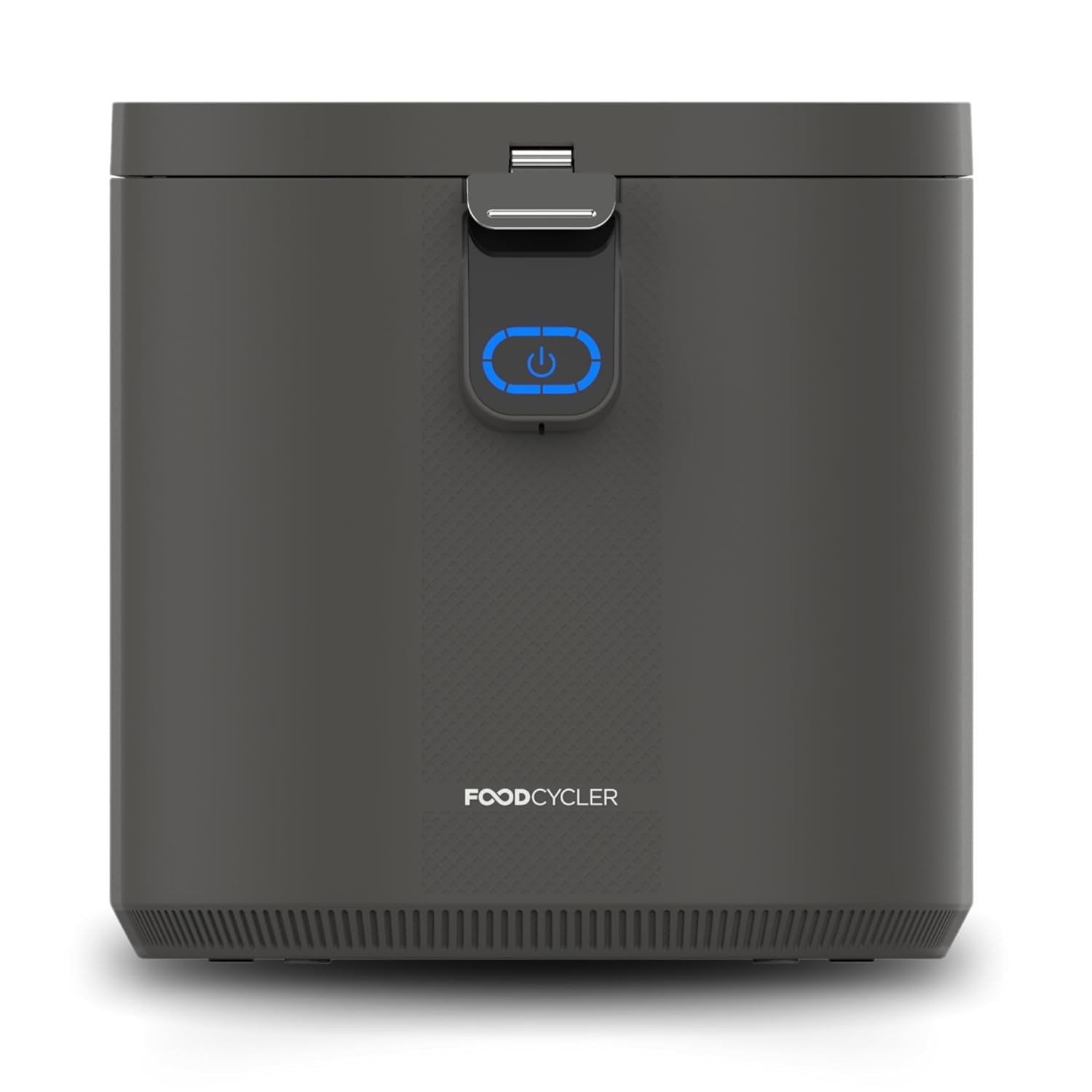
After sorting, place the collected scraps into the Food Cycler Eco 5. This electric composter grinds waste into a fine, odorless material using the patented Vortech™ system, which can handle pits, peels, and even small bones. The unit’s 5 L bucket accommodates a full day’s worth of kitchen waste, reducing the volume by up to ninety percent within a few hours. The carbon filter absorbs any residual smell, making it suitable for apartments and open‑plan homes. At a price of $499.99 and a rating of 4.6 stars from 319 reviews, the Eco 5 offers a convenient, low‑maintenance alternative to traditional outdoor compost piles.
Step 3: Collect the Finished Compost
Once the cycle completes, the resulting dry compost can be removed from the Eco 5’s bucket. Transfer the material to the Epica bin for temporary storage before brewing. The bin’s removable lid allows easy access while maintaining a sealed environment that prevents moisture loss. It is advisable to keep the compost slightly moist; a light mist of water will activate microbial life without creating a soggy mess.
Step 4: Prepare the Brewing Vessel
Select a non‑metallic container that can hold five to ten liters of liquid. Non‑metallic surfaces do not interfere with the beneficial microorganisms that will proliferate during brewing. Fill the vessel with dechlorinated water, preferably rainwater, because chlorine can inhibit microbial activity. If tap water is used, let it sit for 24 hours to allow chlorine to dissipate.
Step 5: Combine Compost and Water
Add one cup of the dry compost from the Food Cycler to each five liters of water. This ratio provides a balanced nutrient concentration without overwhelming plant roots. Stir the mixture thoroughly with a wooden or plastic paddle to distribute the organic particles evenly. For enhanced aeration, one may attach a small aquarium pump fitted with an air stone, which introduces oxygen and encourages the growth of aerobic microbes.
Step 6: Brew the Compost Tea
Allow the mixture to steep for 24 to 48 hours in a shaded area, away from direct sunlight that could raise the temperature excessively. During this period, gentle agitation every six hours helps maintain oxygen levels and prevents the brew from becoming anaerobic. The resulting liquid will acquire a rich, earthy aroma, indicating a healthy microbial population.
Step 7: Strain and Apply
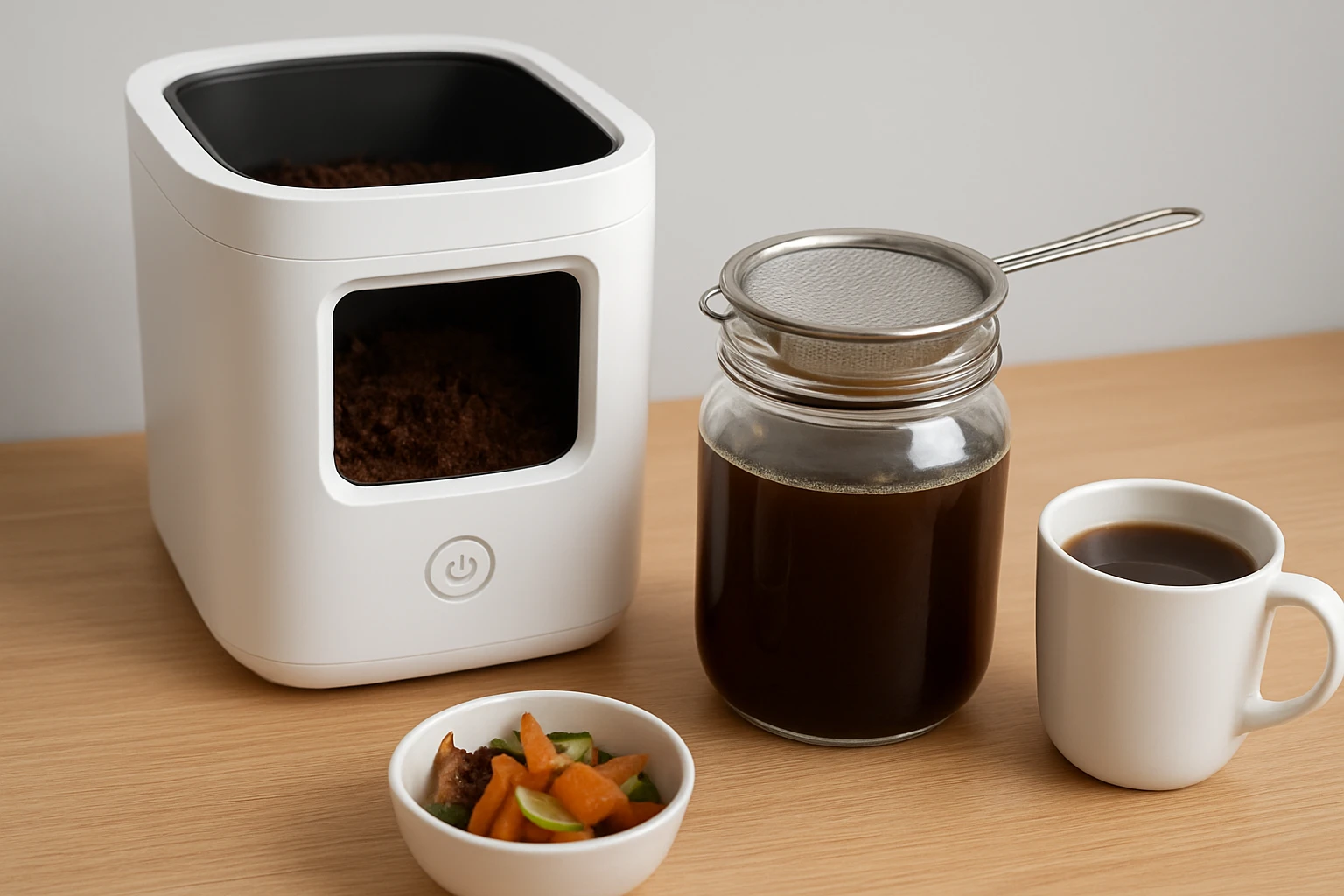
After brewing, strain the tea through a fine mesh strainer or several layers of cheesecloth into a clean container. This step removes solid particles that could clog irrigation systems. The filtered compost tea can be applied directly to the soil around the base of plants or diluted with water at a 1:5 ratio for foliar feeding. Use the tea within 24 hours to ensure the microbes remain active and effective.
Tips & Pro Tips
- Maintain a consistent feeding schedule for the Food Cycler Eco 5; regular use keeps the machine calibrated and reduces wear.
- Replace the carbon filter in the Eco 5 and the activated‑charcoal filter in the Epica bin according to manufacturer recommendations to sustain odor control.
- When brewing larger batches, consider using a larger container and proportionally increase the compost amount to preserve nutrient density.
- For crops sensitive to high nitrogen levels, dilute the tea further to avoid leaf burn.
- Store any unused tea in a sealed, opaque container in the refrigerator for up to three days; microbial activity will decline over time.
Troubleshooting
| Problem | Possible Cause | Solution |
|---|---|---|
| Foul odor during brewing | Insufficient aeration or excessive organic load | Increase stirring frequency and reduce compost amount per batch. |
| Cloudy liquid after straining | Fine particles not fully filtered | Use a double layer of cheesecloth or a coffee filter for a clearer brew. |
| Compost does not reduce in volume | Food Cycler cycle incomplete or overloaded | Run a full cycle with a smaller load and ensure the carbon filter is clean. |
Conclusion
This guide has demonstrated how to convert everyday kitchen waste into a potent compost tea using an electric countertop composter and a stainless‑steel collection bin. By following the outlined steps, one can produce a sustainable fertilizer that enhances plant health while minimizing household waste. The process is repeatable, cost‑effective, and adaptable to a variety of gardening contexts. Readers are encouraged to experiment with brewing times and dilution ratios to discover the optimal formula for their specific horticultural needs.
Products Mentioned in This Guide
Frequently Asked Questions
What is compost tea and how does it differ from regular compost?
Compost tea is a liquid extract of nutrients and microbes brewed from compost, offering faster plant uptake than solid compost.
Can I make compost tea using any electric countertop composter?
Yes, any electric composter that produces fine, odor‑free organic matter can be used, though capacity and cycle time may affect yield.
What ingredients are needed to brew compost tea at home?
You need finished compost from the composter, non‑metallic water, a container, and a fine mesh strainer or cheesecloth.
How long should I steep the compost mixture to create effective compost tea?
Steep for 12–24 hours, stirring occasionally, to allow microbes to multiply without producing foul odors.
Is the compost tea safe for all types of plants, including vegetables and flowers?
Yes, when properly brewed, compost tea is a gentle, nutrient‑rich fertilizer suitable for vegetables, herbs, flowers, and indoor plants.