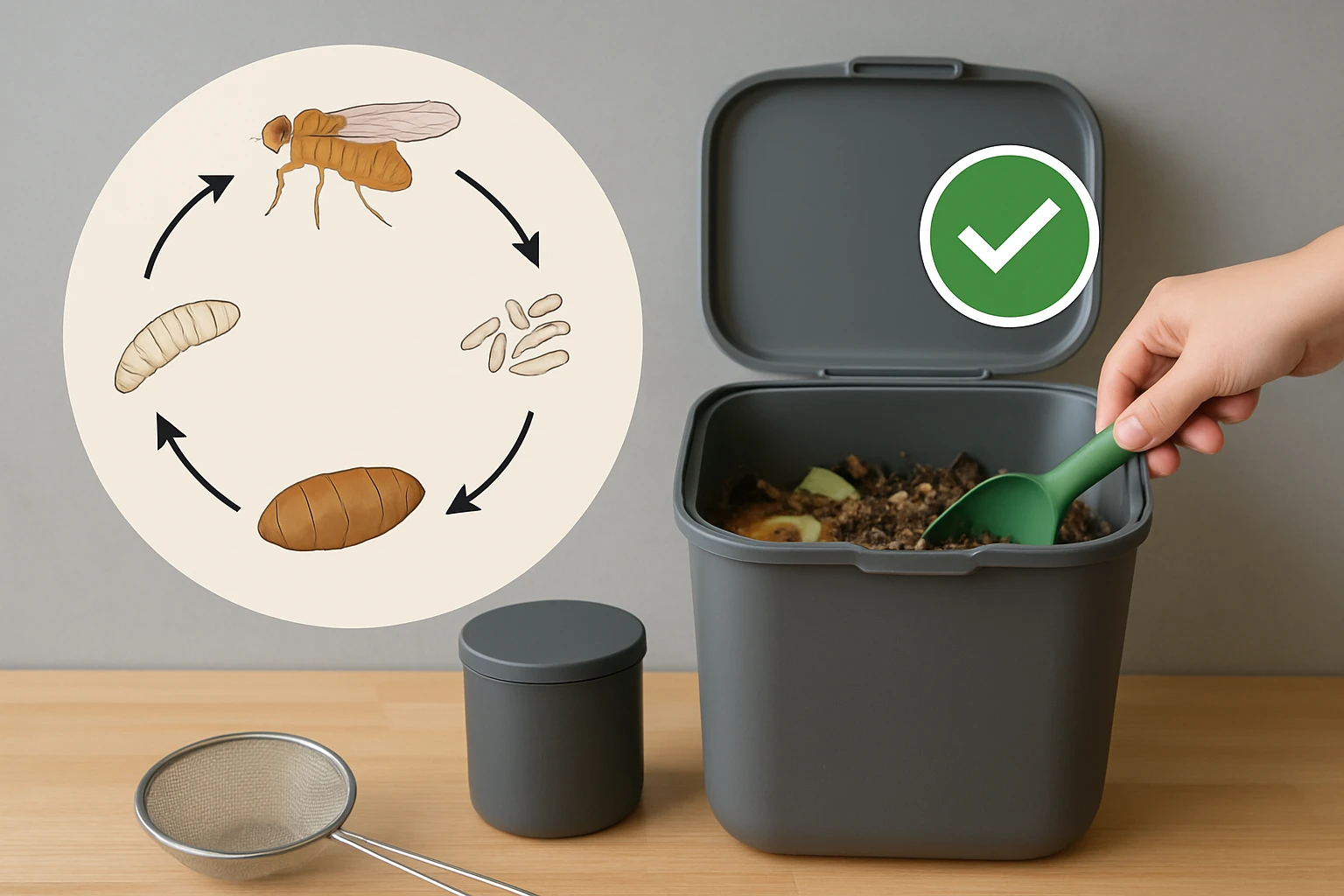
How to Prevent Fruit Flies in Indoor Composters: Step‑by‑Step Guide to Breaking Their Lifecycle
Fruit flies are a common nuisance for anyone who maintains an indoor compost bin. They are attracted to the sugars and moisture that accumulate during the decomposition process, and their rapid breeding cycle can quickly turn a tidy kitchen corner into a buzzing infestation. This guide explains how to interrupt the fruit fly lifecycle, maintain optimal compost conditions, and use the right tools—such as a compost bin cover—to keep the environment inhospitable to pests. By following the steps below, one can enjoy the benefits of indoor composting without the annoyance of flying insects.
What You Will Learn
- How fruit flies locate and colonise indoor compost bins.
- Which environmental factors encourage or deter their breeding.
- Practical, low‑cost measures to prevent infestation.
- When and why a dedicated compost bin cover is advantageous.
- Pro tips for long‑term maintenance of a fruit‑fly‑free compost system.
Materials and Tools
The following items are recommended, although the process can be completed with common household supplies. Each product is linked to an Amazon listing for convenience.
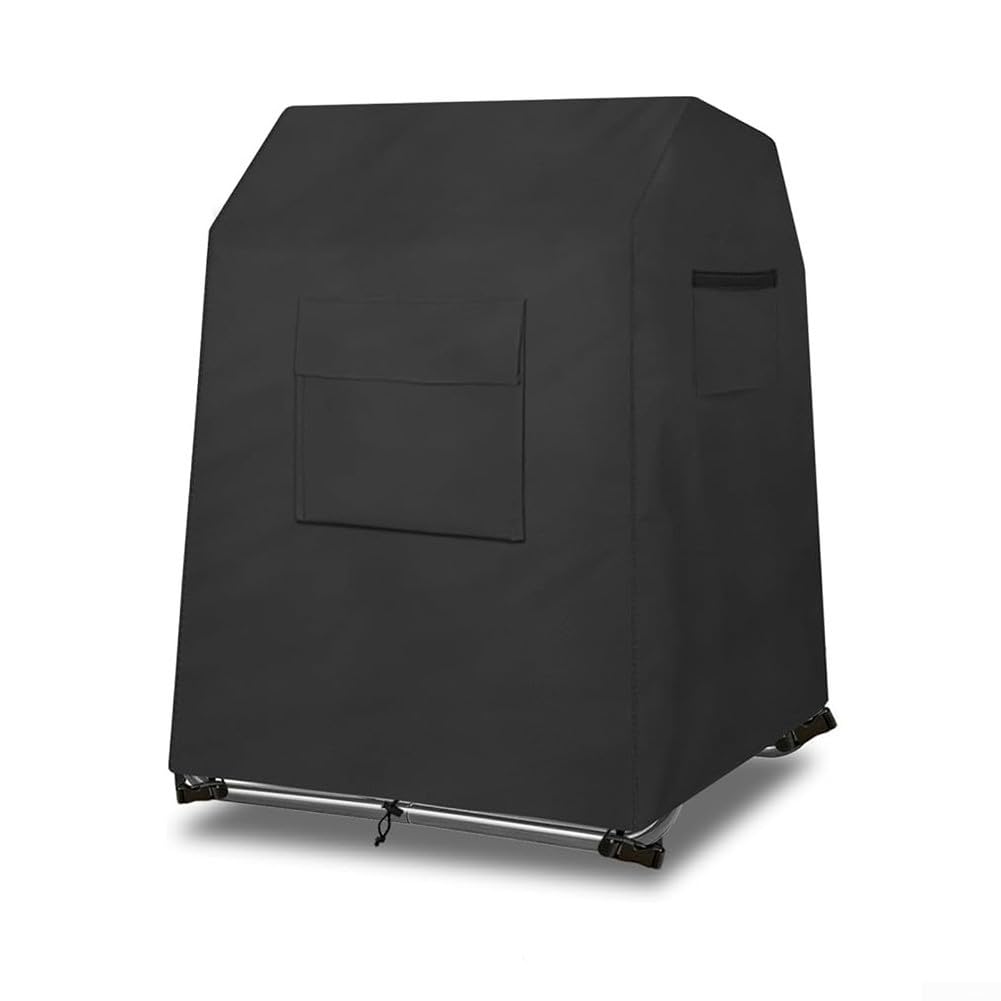
- Compost Bin Cover – a weather‑resistant Oxford fabric shield that fits standard 43‑gallon bins.
- Fine‑mesh kitchen strainer or cheesecloth.
- Small spray bottle.
- White vinegar and a few drops of dish soap.
- Reusable silicone lids (optional).
- Cleaning cloths and a mild, non‑toxic cleaner.
Step‑by‑Step Instructions
1. Choose the Right Compost Bin
One should begin with a bin that has a secure lid and a breathable ventilation system. A sealed lid prevents adult flies from entering, while ventilation holes allow aerobic microbes to thrive. If the bin lacks a lid, one can use a silicone lid or a fitted cover such as the Compost Bin Cover. This cover is constructed from 210D Oxford fabric, providing rainproof and UV‑resistant protection. At a price of $15.67 and a rating of 4.4 out of 5 stars, it offers durability and a snug fit for standard 43‑gallon bins, measuring 28.7 × 27.2 × 35.8 inches.
2. Prepare the Compost Materials Correctly
Fruit flies are attracted to exposed sugars. To minimise attraction, one should chop fruit and vegetable scraps into small pieces and mix them with a carbon‑rich material such as shredded newspaper or cardboard. The ideal carbon‑to‑nitrogen ratio is roughly 30 : 1. By balancing green (nitrogen‑rich) and brown (carbon‑rich) inputs, the compost remains less moist and less odorous, both of which deter flies.
3. Control Moisture Levels
Excess moisture creates a breeding medium for fruit flies. The compost should feel like a damp sponge—not soggy. If the mixture feels wet, add additional brown material and stir. Conversely, if it is too dry, lightly mist with water using a spray bottle. Maintaining moisture within the 40‑60 % range interrupts the larval development cycle, which requires a consistently damp environment.
4. Implement a Daily Cover Routine
Each time fresh waste is added, one should place a thin layer of dry material—such as sawdust, shredded paper, or a piece of cardboard—on top. This barrier blocks adult flies from laying eggs directly on the food waste. For added protection, the Compost Bin Cover can be draped over the bin after the daily cover is applied. The cover’s dust‑proof design prevents debris from entering while allowing airflow, thereby reducing the likelihood of fly access.
5. Use Traps to Reduce Existing Populations
While the aim is prevention, occasional traps help reduce any flies that have already entered the area. Fill a small jar with equal parts white vinegar and water, add a few drops of dish soap, and cover with plastic wrap pierced with tiny holes. The flies are attracted to the vinegar, become trapped, and cannot escape. Position the trap near the compost bin but away from food preparation surfaces.
6. Clean the Bin Regularly
Every two weeks, remove the compost contents, rinse the bin with warm water, and scrub with a mild, non‑toxic cleaner. Rinse thoroughly and allow the bin to dry before re‑adding material. This routine eliminates residual eggs and larvae that may have adhered to the interior surfaces. After cleaning, the Compost Bin Cover can be stored folded, taking up minimal space, ready for the next composting cycle.
7. Position the Bin Strategically
Place the compost bin in a well‑ventilated area away from direct sunlight and high‑traffic zones. Excess heat accelerates decomposition, which can increase the production of volatile compounds that attract flies. A cool, airy pantry or a corner of the kitchen counter works well, provided the bin is stable and not prone to tipping.
8. Monitor and Adjust
Observe the bin for signs of fruit fly activity—tiny hovering insects, small white larvae on the surface, or a faint, sweet odor. If activity is detected, increase the frequency of daily covers, add more brown material, and verify that the bin’s lid or cover is sealed properly. Adjusting these variables promptly prevents a small problem from becoming a full‑scale infestation.
Tips & Pro Tips
- Use a fine‑mesh strainer when adding liquids to the compost. This prevents sugary residues from pooling at the bottom.
- Rotate the compost every few days to aerate the material and disrupt any developing larvae.
- Employ natural repellents such as a few basil leaves on top of the compost; their scent discourages adult fruit flies.
- Avoid over‑feeding the bin. Adding more waste than the microorganisms can process creates excess moisture and odor.
- Seal the compost container during peak fly season (summer months) by using the Compost Bin Cover for added protection.
Troubleshooting
| Problem | Possible Cause | Solution |
|---|---|---|
| Persistent fruit flies despite daily covers | Moisture level too high or inadequate ventilation | Add more brown material, increase aeration, and ensure the bin is placed in a well‑ventilated spot. |
| Larvae visible on compost surface | Eggs laid before the cover was applied | Remove the top layer, discard it, and replace with fresh dry material. |
| Unpleasant odor attracting flies | Imbalanced carbon‑to‑nitrogen ratio | Incorporate additional carbon sources and stir the compost to distribute moisture evenly. |
Conclusion
By understanding the fruit fly lifecycle and implementing the steps outlined above, one can maintain a clean, efficient indoor compost system. The strategic use of a weather‑resistant compost bin cover, proper material balance, moisture control, and regular cleaning creates an environment where fruit flies cannot thrive. Consistent monitoring and timely adjustments ensure long‑term success, allowing the reader to reap the environmental benefits of composting without the nuisance of pests.
Products Mentioned in This Guide
Compost Bin Cover
Price: $15.67
Rating: 4.4/5.0 (0 reviews)
Features: Waterproof, UV‑resistant Oxford fabric; fits standard 43‑gallon bins; folds for compact storage.
Frequently Asked Questions
What attracts fruit flies to indoor compost bins?
Fruit flies are drawn to the sweet, moist organic matter and fermenting odors that develop as food scraps break down.
How often should you stir or turn indoor compost to deter fruit flies?
Stirring the compost every 1–2 days aerates it and disrupts fly breeding sites, keeping the material too dry for eggs to hatch.
What type of cover is most effective for preventing fruit flies?
A tightly fitting, breathable lid or a fine‑mesh screen blocks flies while allowing airflow and excess moisture to escape.
Which low‑cost measures can stop a fruit‑fly infestation?
Remove overripe fruit, keep the bin surface dry, add a thin layer of carbon material like shredded newspaper, and seal the bin when not in use.
How do you clean an indoor compost bin after a fruit‑fly outbreak?
Empty the bin, rinse it with hot soapy water, scrub with a vinegar solution, let it dry completely, then restart with fresh bedding and a proper cover.