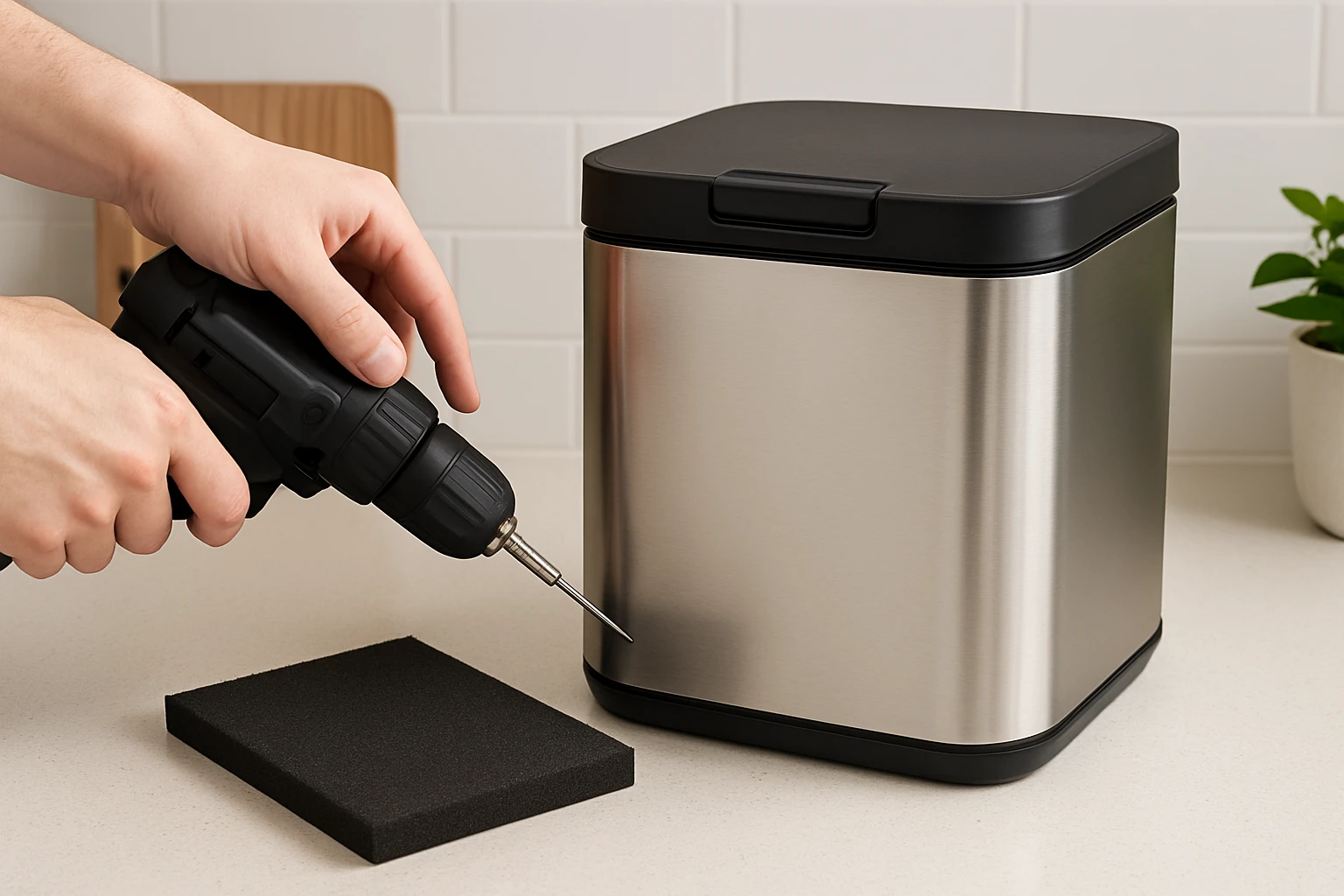
How to Reduce Countertop Composter Noise: Easy DIY Mods to Quiet Your Kitchen
Introduction
Many households appreciate the environmental benefits of a countertop compost bin, yet the occasional clatter or rattling can become a source of irritation. This guide explains how to identify the causes of noise and apply simple, inexpensive modifications that dramatically reduce vibrations, lid thuds, and filter rattles. By the end of the article, readers will understand how to create a quieter composting station while preserving the convenience and odor‑control features of their existing equipment.
The techniques presented are applicable to most countertop models, but specific product recommendations are included to illustrate the most effective solutions. One can follow the steps without purchasing anything, yet the suggested tools provide a professional finish and long‑term reliability.
What You'll Need
- Silicone anti‑slip pads or rubber mat (often included with the bin)
- Adjustable wrench or screwdriver
- Soft cloth or sponge for cleaning
- Replacement activated‑charcoal filter (Buoauha Compost Bin Charcoal Filters)
- Optional: a second countertop compost bin for comparison, such as the Kazai Elin Kitchen Compost Bin
Step 1: Assess the Source of Noise
Before applying any modification, observe when the bin produces sound. Common sources include:
- Vibrations transmitted through the countertop when the lid is slammed.
- Rattling of the inner bucket against the outer shell.
- Airflow through the charcoal filter creating a fluttering noise.
- Loose handles or anti‑slip pads that shift during use.
Place a smartphone recorder nearby for a few minutes while you add typical kitchen scraps. Listening to the playback will help you pinpoint whether the noise originates from the lid, the base, or the filter. Knowing the exact cause allows you to select the most appropriate modification.
Step 2: Add Anti‑Vibration Padding
Most countertop bins already incorporate silicone pads, but they can wear down over time. Reinforcing the base with a fresh layer of high‑density silicone dramatically absorbs impact energy.
The Kazai Elin Kitchen Compost Bin includes anti‑slip pads that keep the unit stable. If your bin feels loose, remove the existing pads and replace them with new silicone sheets cut to fit the base. Secure the pads with a thin layer of food‑safe adhesive if necessary.
Why this product helps: its compact size (9.9L × 7.2W × 6.5H) and built‑in silicone seal already minimize movement. Adding fresh pads ensures the bin does not transmit countertop vibrations when the lid is closed, reducing the thud that often startles nearby occupants.
Typical cost for a replacement silicone pad set is under $5, and the installation takes less than five minutes.
Step 3: Seal the Lid Properly
A loose lid can create a metallic click each time the bin is opened or closed. Check the silicone gasket around the lid for debris or deformation. Clean the gasket with warm, soapy water and dry it thoroughly.
If the gasket no longer conforms, apply a thin line of food‑grade silicone sealant around the edge. Allow it to cure for 24 hours before resuming use. This creates a tighter seal, preventing the lid from vibrating against the shell.
Both the Kazai and the Epica Stainless Steel Compost Bin feature airtight lids with replaceable carbon filters. A well‑sealed lid also improves odor control, making the noise‑reduction effort a dual benefit.
Step 4: Upgrade the Charcoal Filter
The activated‑charcoal filter is essential for odor elimination, yet a worn filter can flutter in the airflow stream, producing a faint rustling sound. Replacing it with a fresh, high‑density filter restores quiet operation.
The Buoauha Compost Bin Charcoal Filters are designed for 6.7‑inch diameter lids, matching the dimensions of both recommended bins. Each filter lasts up to two months, and a ten‑pack provides roughly one year of odor protection.
Features of the Buoauha filter include:
- Superior odor elimination through high‑density activated charcoal.
- Universal size compatible with most countertop compost bins.
- Easy insertion – simply lift the lid, place the filter, and close.
Price: $9.99 for a pack of ten; Rating: 4.6/5.0 (151 reviews). By swapping the filter regularly, you eliminate the fluttering noise while maintaining a fresh kitchen atmosphere.
Step 5: Use a Stable Base or Mat
If the countertop itself is resonant, placing the bin on a thin rubber mat can dampen vibrations. A kitchen‑grade silicone mat (approximately 1 mm thick) works well because it is heat‑resistant and easy to clean.
Position the mat directly under the bin, ensuring the anti‑slip pads remain in contact with the mat. The combined effect of the mat and the pads isolates the bin from the countertop, preventing sound from traveling upward.
This modification is especially useful for the Epica Stainless Steel Compost Bin, which has a heavier stainless‑steel body that can amplify vibrations. The mat adds a layer of acoustic insulation without compromising the bin’s aesthetic.
Step 6: Maintain Cleanliness and Loose Parts
Residue buildup inside the inner bucket can cause small pieces of food to shift and create rattling noises when the bin is moved. Because the Kazai bin’s interior is dishwasher‑safe, run the inner bucket through a short cycle weekly.
Inspect handles, lids, and any screws for looseness. Tighten them with an adjustable wrench, but avoid over‑tightening, which could crack the silicone seal.
Regular maintenance not only reduces noise but also extends the lifespan of the compost bin, ensuring that the odor‑control system remains effective.
Tips & Pro Tips
- Layered Padding: For extreme noise reduction, place a thin layer of felt between the silicone pads and the rubber mat. Felt absorbs high‑frequency vibrations that silicone alone may miss.
- Quiet Lid Closure: Instead of slamming the lid, close it slowly using a gentle hand motion. This habit reduces impact forces and prevents wear on the gasket.
- Filter Rotation Schedule: Mark a calendar for filter replacement every six weeks. Consistent rotation prevents the filter from becoming saturated and noisy.
- Alternative Materials: If silicone pads are unavailable, high‑density cork sheets cut to size provide comparable vibration damping.
Troubleshooting
| Problem | Possible Cause | Solution |
|---|---|---|
| Loud thud when closing lid | Worn silicone gasket | Clean gasket and apply food‑grade silicone sealant. |
| Continuous rustling sound | Old charcoal filter | Replace with new Buoauha Charcoal Filters. |
| Vibrations travel through countertop | Insufficient base padding | Add fresh silicone pads and a rubber mat. |
| Rattling of inner bucket | Loose handle or debris | Tighten handle and clean interior. |
Conclusion
By systematically addressing each source of noise—vibrations, lid movement, filter flutter, and loose components—one can transform a noisy countertop compost bin into a silent, efficient kitchen assistant. The recommended products—the Kazai Elin Kitchen Compost Bin, the Epica Stainless Steel Compost Bin, and the Buoauha Charcoal Filters—provide reliable tools that simplify each modification while delivering long‑term durability and odor control. Implement the steps outlined above, maintain a regular cleaning schedule, and enjoy a quieter, greener kitchen.
Products Mentioned in This Guide
Frequently Asked Questions
What are the main causes of noise in a countertop compost bin?
Noise typically comes from vibrations, loose lids, rattling filters, and the motor’s operation against a hard surface.
How can silicone anti‑slip pads help quiet a countertop composter?
They absorb vibrations and prevent the unit from moving, reducing both humming and thudding sounds.
Is it necessary to replace the activated‑charcoal filter to reduce noise?
Replacing a worn or loose filter can stop rattling and also improve odor control, but it isn’t always required if the filter is still secure.
Can adjusting the bin’s leveling screws lower operating noise?
Yes, tightening or loosening the leveling screws ensures the unit sits evenly, minimizing motor strain and vibration.
Are there any DIY modifications for quieter operation without buying new parts?
Adding a rubber mat underneath, tightening loose components, and using soft cloth to cushion the lid are inexpensive steps that significantly cut noise.