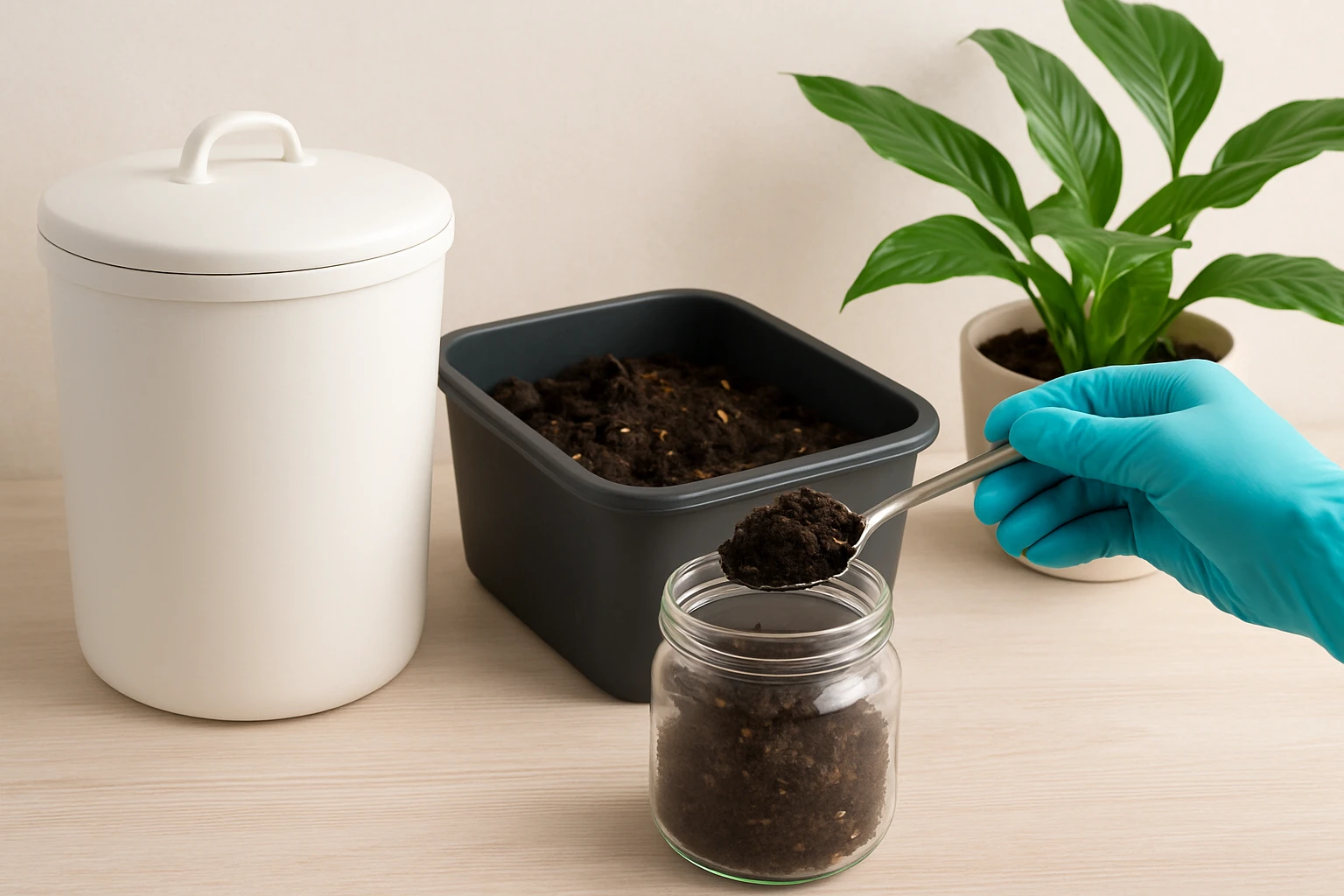

How to Sanitize Compost from Your Indoor Composter for Healthy, Pest‑Free Houseplants
Introduction
This guide explains how to transform raw worm‑generated compost into a clean, pathogen‑free medium suitable for houseplant use. One will learn why sanitization matters, which tools improve safety, and how to apply each technique with confidence. The process reduces the risk of fungal spores, nematodes, and unpleasant odors that can harm delicate indoor foliage. By following these instructions, gardeners will achieve vigorous growth and maintain a hygienic indoor environment.
What You’ll Need
- A VermiHut Plus 5‑Tray Worm Bin for continuous compost production.
- Bonide Copper Fungicide (16 oz) for post‑sanitization treatment.
- Heat‑proof tray, kitchen oven, fine mesh sieve, clean buckets, and rubber gloves.
- Measuring cup, spray bottle, and a well‑ventilated workspace.
Step‑by‑Step Instructions
1. Harvest Mature Compost
Begin by separating the darkest, crumbly material from the lighter bedding in the worm bin. The mature compost should feel moist but not soggy and emit an earthy scent. Use the built‑in Worm Saver Tray to prevent live worms from falling into the collection basin during extraction. The VermiHut system includes an integrated liquid collection base, allowing excess leachate to be removed without contaminating the compost. This design minimizes odor and maintains a balanced moisture environment, which is essential for producing high‑quality organic matter.
Collect the harvested compost in a clean bucket, and discard any visible worm castings that appear under‑developed. The goal is to work only with fully processed material, as partially broken down waste may still contain pathogenic microbes.
2. Dry the Compost Thoroughly
Spread the compost in a thin layer on a heat‑proof tray, aiming for a depth of no more than two inches. Drying reduces the water activity that supports microbial growth. Place the tray in a conventional oven set to 180 °F (82 °C) for thirty minutes, then stir the material and repeat until the compost feels dry to the touch. The drying stage also prepares the organic matter for the subsequent heat treatment, ensuring even temperature distribution.
During drying, monitor the oven temperature with a reliable thermometer to avoid overheating, which could destroy beneficial nutrients. Once the compost reaches a uniform dry state, allow it to cool on a clean surface before proceeding.
3. Heat‑Treat the Compost
Heat treatment is the most reliable method to eliminate fungal spores, weed seeds, and nematodes. Preheat the oven to 250 °F (121 °C) and spread the dried compost in a single layer on a baking sheet. Heat the material for thirty minutes, rotating the sheet halfway through to ensure consistent exposure.
The temperature of 250 °F is sufficient to kill most pathogens without volatilizing essential nutrients. After the cycle, remove the tray and let the compost cool completely. This step creates a sterile substrate that will not introduce disease into houseplant pots.
4. Sieve and Refine the Compost
While the compost is still warm, pass it through a fine mesh sieve (approximately ¼‑inch opening). This process removes any remaining debris, such as large wood fragments or dead worm skins, that could harbor pests. Collect the sifted material in a clean container, and discard the coarse residue or repurpose it as mulch for outdoor beds.
Sieving also improves the texture of the final product, providing a balanced structure that promotes aeration and water retention in houseplant containers.
5. Apply Copper Fungicide as a Preventive Measure
Even after thorough heat treatment, some resilient fungal spores may survive. Applying a thin coat of Bonide Copper Fungicide creates an additional protective barrier. Mix the recommended amount of concentrate with water according to the label instructions, typically one tablespoon per gallon.
Using a spray bottle, mist the cooled compost lightly, ensuring an even coating without saturating the material. Copper fungicide is approved for organic gardening and can be used up to the day of harvest, making it safe for indoor environments. The product’s broad‑spectrum activity controls blight, powdery mildew, and other common garden diseases, reducing the likelihood of future infestations in houseplants.
6. Store the Sanitized Compost Properly
Transfer the treated compost to an airtight container or a sealed bag. Store the container in a cool, dark location away from direct sunlight. Proper storage prevents re‑contamination from airborne spores and maintains the nutrient profile until the compost is ready for use.
Label the container with the date of sanitization and any additional notes about the batch. This practice facilitates rotation and ensures that older compost is used before newer material, preserving freshness.
7. Incorporate the Compost into Houseplant Soil
When repotting houseplants, blend the sanitized compost with a well‑draining potting mix in a ratio of one part compost to three parts commercial mix. This proportion supplies organic nutrients while preserving adequate drainage, which is vital for preventing root rot.
Gently work the mixture around the plant roots, avoiding compaction that could restrict airflow. Water the plant lightly after repotting, and monitor moisture levels over the following weeks to ensure the new medium performs as expected.
Tips & Pro Tips
- Perform the heat‑treatment step on a low‑traffic day to avoid interference with kitchen activities.
- Use a digital oven thermometer to verify that the internal compost temperature reaches the target 250 °F.
- Apply copper fungicide in a well‑ventilated area and wear rubber gloves to protect skin from direct contact.
- Combine the sanitized compost with perlite or coarse sand for extra aeration in succulent mixes.
- Rotate compost batches every six months to maintain nutrient balance and prevent stagnation.
Troubleshooting
Problem: Persistent odor after sanitization.
Solution: Verify that the drying stage was sufficient; residual moisture can cause anaerobic conditions that produce odor. Return the compost to the oven for an additional ten minutes at 180 °F.
Problem: Visible mold growth during storage.
Solution: Ensure the storage container is completely sealed and stored in a cool environment. If mold persists, discard the affected batch and repeat the heat‑treatment process.
Conclusion
By following these systematic steps, one can transform indoor worm‑generated compost into a sanitized, pest‑free medium that supports healthy houseplant growth. The combination of proper drying, heat treatment, sieving, and a copper‑based preventive spray creates a robust solution that minimizes disease risk. Incorporating the recommended tools, such as the VermiHut Plus 5‑Tray Worm Bin and Bonide Copper Fungicide, enhances efficiency and reliability, although the method remains effective without them. Consistent application of this protocol will result in thriving indoor gardens and a cleaner living space.
Products Mentioned in This Guide
Frequently Asked Questions
Why should I sanitize compost from my indoor worm bin before using it on houseplants?
Sanitizing removes harmful pathogens, fungal spores, and nematodes that can damage delicate indoor foliage and cause unpleasant odors.
What is the simplest method to heat‑sanitize indoor compost?
Spread the compost on a heat‑proof tray and bake at 180 °F (82 °C) for 30‑45 minutes, stirring occasionally to ensure even heating.
Can I use a copper fungicide instead of heat to sanitize compost?
Yes, a post‑sanitization spray of Bonide Copper Fungicide can suppress remaining fungi, but it should be applied after heat treatment for best results.
Do I need special tools to filter out worm bedding before sanitizing?
A fine mesh sieve or strainer helps separate the dark, nutrient‑rich compost from the lighter bedding, improving the effectiveness of the sanitization process.
How often should I sanitize compost from my indoor bin?
Sanitize each batch before use, typically every 4‑6 weeks, to maintain a pest‑free environment for your houseplants.
