
Introduction
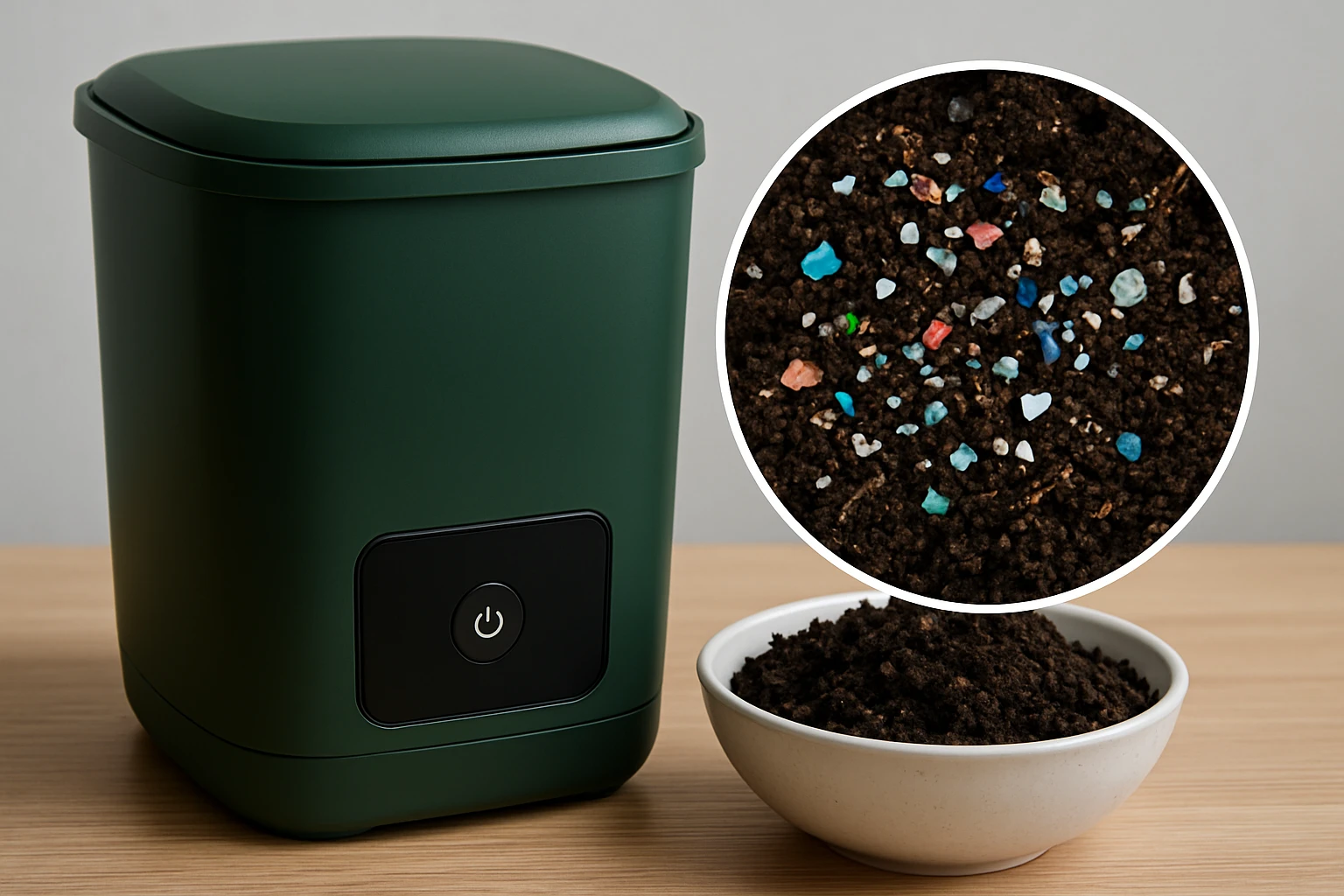
This guide explores the presence of microplastics in the output of electric composters, explains how they form, and provides actionable strategies for detection, prevention, and safe utilization. Readers will learn the scientific basis of microplastic generation, practical methods for testing compost and leachate, and best practices for minimizing environmental impact. The article also recommends a reliable at‑home testing kit that can support broader contaminant monitoring efforts. By the end of this guide, one will possess a thorough understanding of how to manage compost responsibly.
Background and Context
Microplastics are tiny plastic fragments measuring less than five millimetres, often invisible to the naked eye. They originate from the degradation of larger plastic items, synthetic fibres, and the breakdown of polymer‑based additives used in household products. When organic waste is processed in an electric composter, heat, agitation, and moisture can cause certain plastic components to fragment and become incorporated into the final compost material.
Electric composters are popular for their convenience, rapid processing times, and ability to handle a wide variety of organic residues. However, many users inadvertently introduce plastic waste, such as cling film, coffee pod liners, or shredded newspaper with polymer coatings, into the machine. Over repeated cycles, these plastics can degrade into micro‑sized particles that remain suspended in the compost matrix.
The presence of microplastics in compost poses concerns for soil health, plant uptake, and downstream water quality. Research indicates that microplastics can alter soil porosity, affect microbial activity, and be transported with irrigation water into aquatic ecosystems. Understanding the pathways of microplastic contamination is essential for developing effective mitigation strategies.
Understanding Microplastics in Compost
Microplastics in compost can be classified into two categories: primary microplastics, which are intentionally manufactured at a microscopic scale, and secondary microplastics, which result from the breakdown of larger plastic items during the composting process. Primary microplastics are less common in household composting, whereas secondary microplastics are the predominant source.
Key mechanisms that generate secondary microplastics include:
- Thermal degradation caused by the high‑temperature cycles of the composter.
- Mechanical shear from the rotating drum or auger.
- Chemical oxidation in the presence of moisture and organic acids.
These mechanisms fragment plastics into particles that can range from visible fibres to nanometre‑scale fragments. The resulting microplastics can become bound to organic matter, making them difficult to separate without specialized equipment.
Sources of Microplastics in Electric Composters
Common household items that unintentionally contribute microplastics include:
- Plastic food‑wrap and zip‑lock bags that are torn or punctured during loading.
- Single‑use coffee pods with polymer liners.
- Biodegradable plastics that do not fully decompose under composting conditions.
- Synthetic textile fibres released from kitchen towels or scrubbers.
Even items labelled as “compostable” may contain additives that do not break down completely, leaving residual polymer fragments. Users often assume that any material placed in the composter will become harmless organic matter, which is a misconception that contributes to microplastic accumulation.
Detection Methods for Microplastics
Accurate detection of microplastics in compost requires laboratory‑grade analytical techniques, such as Fourier‑transform infrared spectroscopy (FTIR) or Raman microscopy. However, these methods are costly and may be inaccessible for most homeowners. For practical purposes, at‑home testing kits that detect related contaminants can provide an initial screening of water or leachate quality.
One such product is the Safe Home Glyphosate Test Kit. While this kit is designed to detect glyphosate, its underlying principle of rapid colour‑change testing demonstrates how simple, user‑friendly assays can be employed for broader contaminant monitoring. The kit offers a 5‑minute test with a detection threshold of 200 ppb, is priced at $29.99, and holds a 3.6‑star rating from 84 reviews. Users can adapt similar colourimetric approaches to screen for polymer‑derived substances if commercial kits become available.
For more precise microplastic quantification, the following steps are recommended:
- Collect a representative compost sample (approximately 100 g) and a leachate sample (50 mL of water that has passed through the compost).
- Filter the leachate through a 0.45 µm membrane to concentrate particles.
- Examine the filtered material under a stereomicroscope to identify visible fragments.
- Submit the sample to a certified laboratory for FTIR analysis to confirm polymer composition.
Preventive Strategies for Reducing Microplastics
Prevention is more effective than remediation. Homeowners can adopt several practices to limit microplastic entry into their composters:
- Separate all plastic waste before loading; use a dedicated bin for non‑organic materials.
- Prefer reusable silicone or stainless‑steel food containers over single‑use plastics.
- Choose certified compostable products that meet ASTM D6400 or EN 13432 standards, ensuring they fully mineralize under composting conditions.
- Rinse and dry organic waste to remove residual plastic residues from packaging.
- Implement a pre‑screening step using a fine mesh (≤2 mm) to capture stray plastic fragments before they enter the composter.
Regular maintenance of the electric composter, including cleaning the drum and checking for wear on seals, also reduces the likelihood of plastic abrasion. Users should follow the manufacturer’s recommendations for maximum load capacity and avoid over‑filling, which can increase mechanical stress on any inadvertent plastic items.
Safe Use and Management of Compost Output
Once microplastic levels have been assessed and found to be within acceptable limits, the compost can be safely applied to gardens, potted plants, or as a soil amendment. Nevertheless, it is prudent to follow these guidelines:
- Apply compost to non‑edible ornamental plants if microplastic concentrations are uncertain.
- Avoid using compost directly on seedlings that are highly sensitive to soil contaminants.
- Incorporate compost into the soil at a depth of at least 10 cm to reduce surface exposure.
- Monitor soil health periodically by testing for nutrient balance and microbial activity.
If microplastic contamination is detected above recommended thresholds, consider diluting the compost with uncontaminated material or sending it to a professional composting facility that employs advanced filtration technologies.
Comparison and Selection Guide
When selecting tools for contaminant detection in compost, users should evaluate the following criteria:
| Feature | Safe Home Glyphosate Test Kit | Typical Laboratory Analysis |
|---|---|---|
| Detection Target | Glyphosate (chemical) | Microplastics (polymer) |
| Result Time | 5 minutes | 1‑3 weeks |
| Cost per Test | $29.99 (single‑use) | $200‑$500 |
| User Skill Level | Beginner | Professional |
| Portability | High | Low |
Although the Safe Home Glyphosate Test Kit does not detect microplastics directly, its ease of use and affordability illustrate the benefits of at‑home testing solutions. For precise microplastic analysis, users must rely on accredited laboratories, but the kit can serve as a complementary tool for overall contaminant awareness.
Best Practices & Tips
To maintain a microplastic‑free composting system, consider the following expert tips:
- Maintain a strict “no‑plastic” policy for all feedstock; educate household members about acceptable materials.
- Perform a visual inspection of each batch before loading, discarding any suspect items.
- Use a dedicated composting brush made of natural bristles to clean the interior of the composter.
- Schedule quarterly checks of the compost output for colour changes or unusual texture, which may indicate contamination.
- Document all testing results, including dates, methods, and observations, to track trends over time.
Integrating these practices with periodic use of simple testing kits, such as the aforementioned glyphosate detector, fosters a proactive approach to environmental stewardship.
Frequently Asked Questions
- 1. Can microplastics be completely eliminated from compost?
- Complete elimination is challenging because trace amounts of synthetic fibres can enter the system inadvertently. However, rigorous source control and regular screening can reduce concentrations to negligible levels.
- 2. Does the temperature inside an electric composter degrade plastics?
- Temperatures typically reach 55‑70 °C, which is insufficient to fully melt most plastics but can cause brittleness and fragmentation, leading to microplastic formation.
- 3. Are there certified tests for microplastics that can be performed at home?
- Currently, commercial at‑home kits focus on chemical contaminants such as glyphosate. Emerging research may soon produce colourimetric microplastic assays, but they are not widely available yet.
- 4. How does microplastic contamination affect plant growth?
- Studies suggest that high concentrations can impair root development, alter nutrient uptake, and affect soil microbial communities, potentially reducing plant vigor.
- 5. Is it safe to use compost containing microplastics on food crops?
- If microplastic levels are low and the compost meets local regulatory standards, risk is minimal. Nevertheless, applying such compost to ornamental beds is a prudent precaution.
- 6. Can the Safe Home Glyphosate Test Kit detect other contaminants?
- The kit is formulated specifically for glyphosate detection and does not identify microplastics. Users should treat it as a model for rapid, user‑friendly testing.
Conclusion
This comprehensive guide has outlined the origins of microplastics in electric composter output, presented reliable detection methods, and offered practical prevention strategies. By adhering to strict waste segregation, employing simple screening tools such as the Safe Home Glyphosate Test Kit, and following best‑practice guidelines, one can minimise microplastic contamination and ensure safe use of compost. Ongoing monitoring and education remain essential for protecting soil health and preserving water quality.
Products Featured in This Guide
Safe Home Glyphosate Test Kit
Price: $29.99
Rating: 3.6 out of 5 stars (84 reviews)
Featured because it exemplifies an affordable at‑home testing solution that can raise awareness of contaminant presence in compost‑related water streams, encouraging users to adopt systematic monitoring practices.