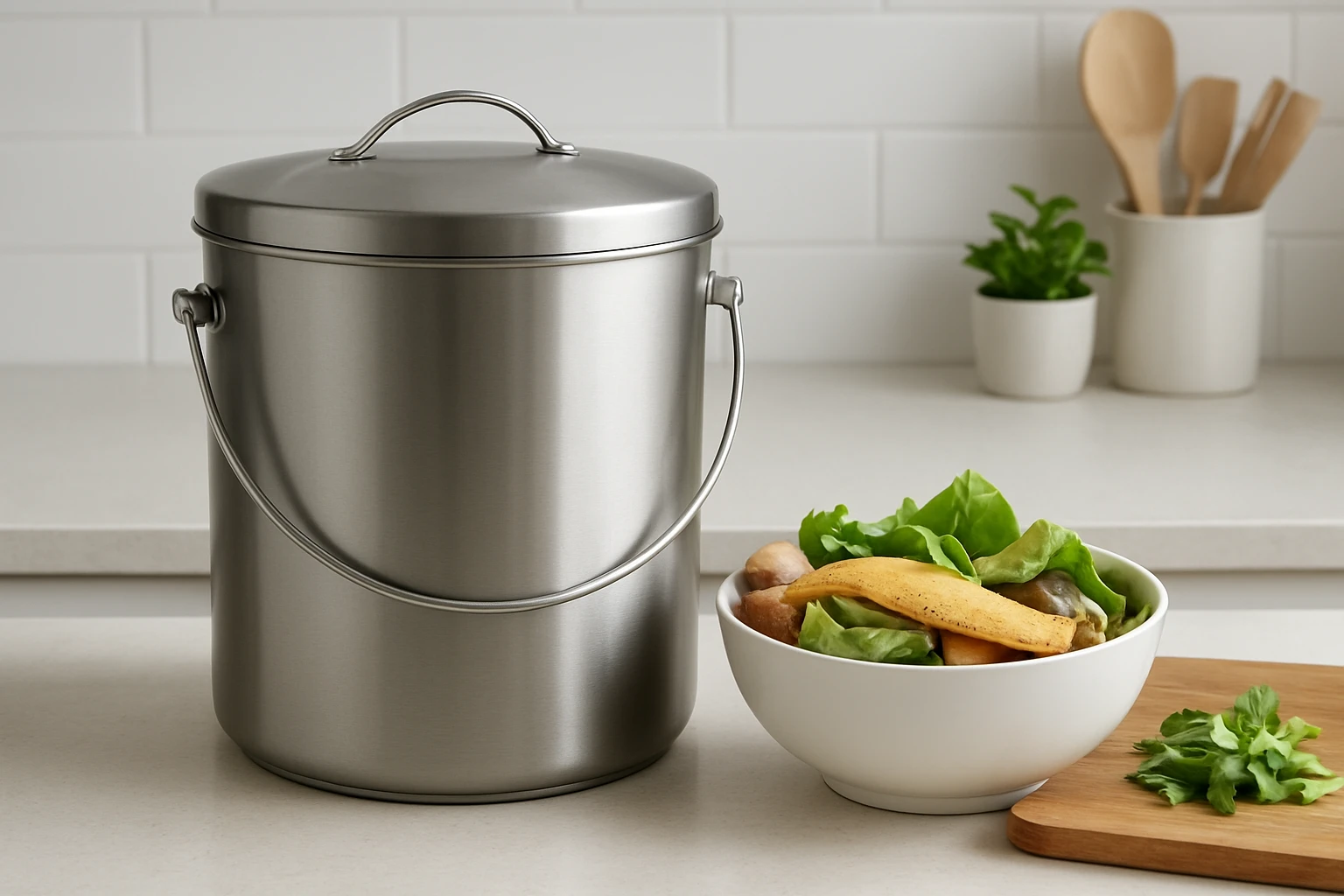
Safe Countertop Composters for Immunocompromised Households
Introduction
Countertop composters have become popular devices for converting kitchen waste into useful soil amendments. One household segment that requires special attention is the immunocompromised population, for whom exposure to microbial agents can pose serious health challenges. This guide explains the potential risks associated with indoor composting, outlines rigorous cleaning procedures, and presents safer alternatives that maintain environmental benefits while protecting vulnerable residents. Readers will also discover a recommended product that incorporates advanced odor‑control and low‑noise technology, making it suitable for sensitive environments.
Background and Context
Composting is a natural process in which microorganisms break down organic matter, releasing nutrients that enrich soil. Traditional outdoor compost piles rely on a diverse community of bacteria, fungi, and actinomycetes, many of which are harmless in open air but can become problematic when confined in a kitchen. Countertop units accelerate this process by crushing, drying, and partially fermenting food scraps, producing a dry pre‑compost that can be stored for later use. For immunocompromised individuals, the primary concerns are aerosolized spores, volatile organic compounds, and the potential growth of pathogenic bacteria if the device is not maintained correctly.
Understanding the Risks
Risk assessment begins with identifying the types of microorganisms that thrive in a moist, nutrient‑rich environment. Common culprits include Salmonella, E. coli, and certain mold species that release mycotoxins. When a composter operates at temperatures below 55 °C, these organisms may survive the short processing cycle and become airborne during loading or emptying. Additionally, the carbon filter used for odor control can become saturated, allowing odors—and the microbes attached to them—to escape into the surrounding air.
Another factor is the proximity of the appliance to food preparation surfaces. In open‑concept kitchens, a humming composter placed on a countertop can release fine particles that settle on utensils, countertops, or hands, increasing the likelihood of ingestion or inhalation. For households with compromised immune systems, even low‑level exposure may trigger infections that are difficult to treat.
Recommended Countertop Composter
Among the available options, the Soliddis Indoor Electric Composter stands out for its combination of high‑capacity processing, advanced odor‑control, and whisper‑quiet operation. The unit features a 4.2 L capacity, allowing users to process a full day’s worth of scraps without frequent emptying. Its proprietary “crush & dry” technology reduces moisture content rapidly, limiting the environment in which harmful microbes can proliferate. A 900 mL high‑density carbon filter captures volatile compounds, while the machine operates below 45 dB, ensuring that it does not become a constant source of disturbance.
Technical specifications include a 120 V power requirement, a self‑cleaning cycle that removes residual debris, and a user‑friendly interface with a single button start. The product holds a 4.9‑star rating from twenty verified reviewers, indicating high customer satisfaction with performance and reliability. Priced at $319.99, the Soliddis composter represents a premium investment for households that prioritize health safety and convenience.
Comparison and Selection Guide
| Feature | Soliddis Indoor Electric Composter | Typical Low‑Cost Countertop Model |
|---|---|---|
| Capacity | 4.2 L | 1.5–2 L |
| Noise Level | Below 45 dB (whisper‑quiet) | 55–65 dB |
| Odor Control | 900 mL carbon filter with sealed compartment | Basic charcoal pad, replaceable every 2–3 months |
| Processing Time | 4–6 hours per cycle | 8–12 hours |
| Self‑Cleaning | Automatic blade‑clear function | Manual cleaning required |
| Price | $319.99 | $80–$150 |
| Customer Rating | 4.9/5 (20 reviews) | 3.5–4.2/5 |
When choosing a device, immunocompromised households should prioritize low noise, reliable odor filtration, and automated cleaning cycles. Although the Soliddis model carries a higher upfront cost, its advanced features reduce the frequency of manual intervention, thereby limiting exposure to potentially harmful microbes.
Best Practices & Tips for Safe Operation
- Load only fresh, non‑fermented scraps; avoid adding meat, dairy, or oily foods that increase odor and microbial load.
- Empty the collection bucket after each cycle to prevent residual moisture from becoming a breeding ground for bacteria.
- Replace the carbon filter according to the manufacturer’s schedule, typically every three months, to maintain optimal odor capture.
- Wipe the exterior and interior surfaces with a solution of 70 % isopropyl alcohol and water after each use, allowing the area to air‑dry before handling.
- Store the processed biomass in sealed containers and mix with garden soil at a 1:10 ratio, as recommended by the product’s pro tip, to ensure complete decomposition before use.
- Position the unit away from primary food preparation zones; a corner of the kitchen island or a dedicated pantry shelf works well.
Adhering to these protocols minimizes the risk of aerosolized pathogens and maintains a hygienic kitchen environment. Regular maintenance not only protects health but also extends the lifespan of the appliance.
Alternative Solutions for High‑Risk Households
For families that prefer to avoid countertop composters altogether, several alternatives provide similar environmental benefits with reduced health concerns. These include:
- Outdoor Compost Bins: Placing a sealed compost tumbler in a backyard isolates microbial activity from indoor air.
- Community Compost Services: Many municipalities offer curbside collection of food waste, which is processed at commercial facilities.
- Vermicomposting: Worm bins can be kept in a garage or basement, where temperature and humidity are easier to control.
- Compostable Waste Bags: Using certified compostable bags for garbage disposal reduces landfill waste without the need for mechanical processing.
Each alternative eliminates the need for a noisy, heat‑generating appliance in the kitchen, thereby lowering exposure risk for immunocompromised occupants.
Frequently Asked Questions
1. Do countertop composters produce harmful bacteria?
Yes, any device that processes organic waste creates an environment where bacteria can thrive. However, models with high‑temperature drying cycles and sealed filters significantly reduce bacterial survival.
2. How often should the carbon filter be replaced?
The manufacturer of the Soliddis Indoor Electric Composter recommends replacement every three months under normal household use. Heavy usage may require more frequent changes.
3. Can I add meat or dairy to the composter?
It is advisable to avoid meat, dairy, and oily foods, as they increase odor, attract pests, and elevate the risk of pathogenic growth.
4. Is the pre‑compost safe for indoor plants?
The dry biomass produced by the Soliddis unit is safe for indoor plants when mixed with regular potting soil at a 1:10 ratio, allowing beneficial microbes to integrate gradually.
5. What cleaning agents are recommended?
A solution of 70 % isopropyl alcohol and water is effective for disinfecting surfaces without damaging plastic components.
6. Does the appliance require professional installation?
No, the unit is plug‑and‑play and can be placed on any stable countertop with access to a standard 120 V outlet.
7. Are there warranties available?
The Soliddis Indoor Electric Composter typically includes a one‑year limited warranty covering manufacturing defects.
Conclusion
Countertop composters can be incorporated safely into immunocompromised households when users select devices with robust odor control, low noise, and automated cleaning functions. The Soliddis Indoor Electric Composter exemplifies a premium solution that addresses many of the health concerns associated with indoor waste processing. By following stringent loading, cleaning, and storage practices, families can enjoy the environmental advantages of composting while minimizing exposure to harmful microorganisms. For those who prefer to eliminate any indoor processing, outdoor bins, community services, and vermicomposting provide viable alternatives.
Products Featured in This Guide
Soliddis Indoor Electric Composter
Price: $319.99
Rating: 4.9/5 (20 reviews)
Featured because it combines a large 4.2 L capacity, a high‑density carbon filter, and whisper‑quiet operation, making it suitable for households with compromised immune systems.