Sample Lease Clause for Countertop Composter Permission: A Practical Guide & Template for Landlords and Tenants
Introduction
Landlords are increasingly asked to accommodate environmentally friendly practices such as indoor composting. This guide explains how to draft a lease clause that permits the use of a countertop compost bin while protecting the property and the interests of both parties. Readers will learn the legal background, see a ready‑to‑use clause, compare three popular composters, and discover best practices for implementation. By the end of this article, landlords will be equipped to address tenant requests with confidence and clarity.
Background and Context
Indoor composting has become a mainstream method for reducing food waste in multi‑unit dwellings. Many municipalities encourage composting through incentives, and tenants view it as a sign of a responsible landlord. However, compost bins can produce moisture, odors, and pests if not properly managed, creating potential liability for the property owner. Understanding the balance between sustainability goals and property protection is essential before granting permission.
Legal Foundations for Allowing Composters
State and local housing codes typically require landlords to maintain a habitable environment, which includes controlling mold, moisture, and pest infestations. A lease clause that permits a compost bin must therefore include conditions that mitigate these risks. The clause should reference any relevant municipal ordinances that encourage composting, while also stating that the tenant remains responsible for compliance with health and safety standards. Including a maintenance schedule and inspection rights protects the landlord from claims of negligence.
Drafting the Lease Clause
When drafting the clause, use clear and precise language that outlines the tenant’s obligations. The clause should specify the type of appliance allowed, the maximum size, and any required features such as odor‑control filters. It is advisable to require the tenant to obtain landlord approval before installing any electrical composting device. Finally, the clause must describe the consequences of non‑compliance, including the right to remove the unit at the tenant’s expense.
Sample Lease Clause
Countertop Composter Permission. The Tenant may place a countertop compost bin in the kitchen provided that the following conditions are met:
1. The bin shall not exceed 1.5 gallons in capacity and must be constructed of stainless steel or galvanized steel with a sealed lid.
2. The bin must include an activated‑charcoal or carbon filter approved by the Landlord.
3. The Tenant shall clean the bin weekly, replace filters according to the manufacturer’s schedule, and ensure that no moisture leaks onto the countertop.
4. The Tenant shall permit the Landlord to inspect the bin during routine property inspections.
5. Any damage caused by the bin, including mold, stains, or pest activity, shall be repaired at the Tenant’s expense.
6. The Landlord reserves the right to require removal of the bin if it is deemed a health or safety hazard.
This clause balances sustainability with property protection and can be adapted to the specific needs of the rental property.
Product Recommendations
Choosing a compost bin that meets the lease requirements reduces the likelihood of disputes. The following three products have been selected because they incorporate sealed lids, replaceable carbon filters, and durable construction.
- Epica Countertop Compost Bin – a 1.3‑gallon stainless steel unit with an airtight lid and replaceable activated‑charcoal filter. It holds a 4.7‑star rating from over 20,000 reviews and is priced at $29.98.
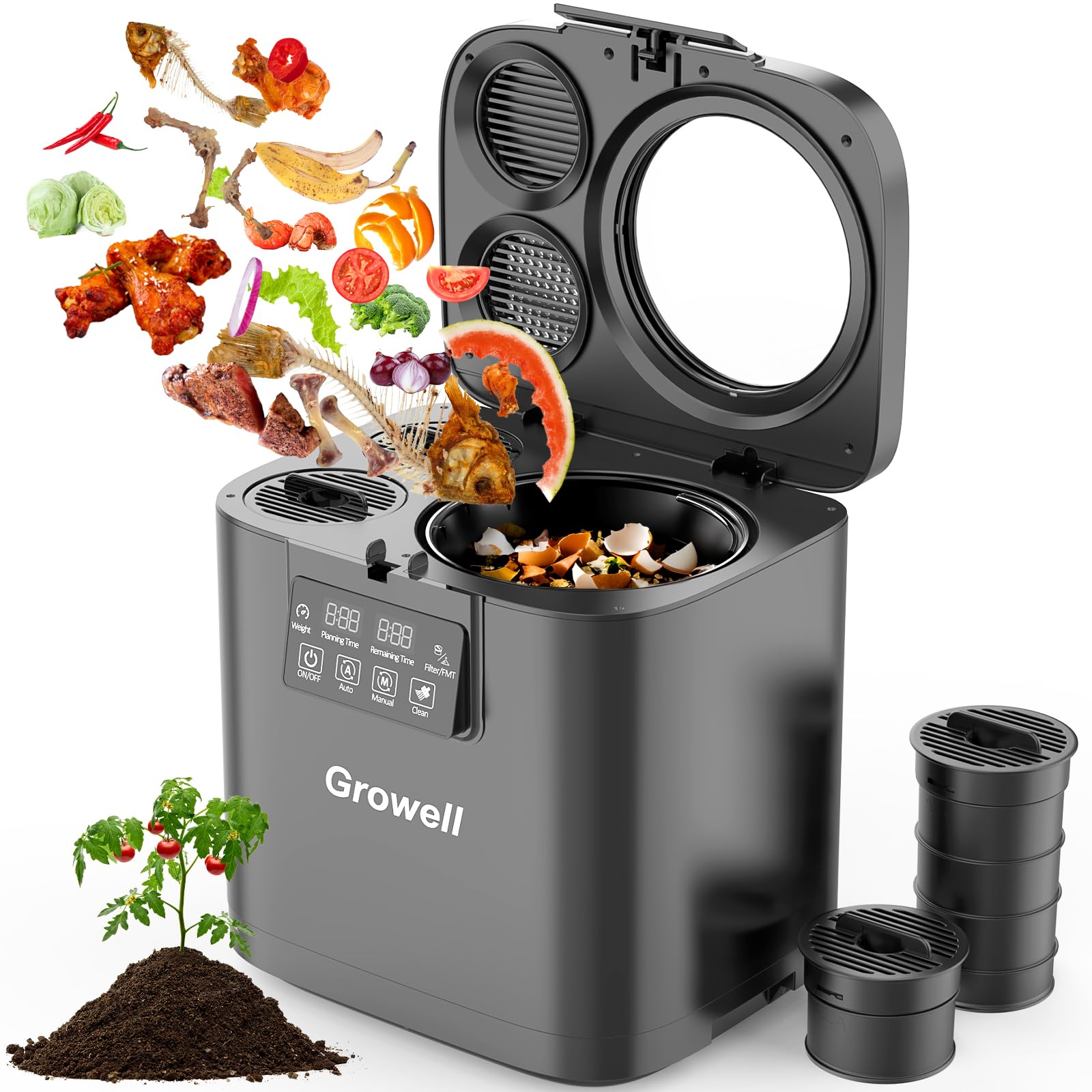
- Growell Electric Compost Bin – a 4‑liter electric model that reduces waste volume by 90 % in 3–6 hours and includes dual carbon filters. It carries a perfect 5‑star rating from ten reviews and costs $259.99.
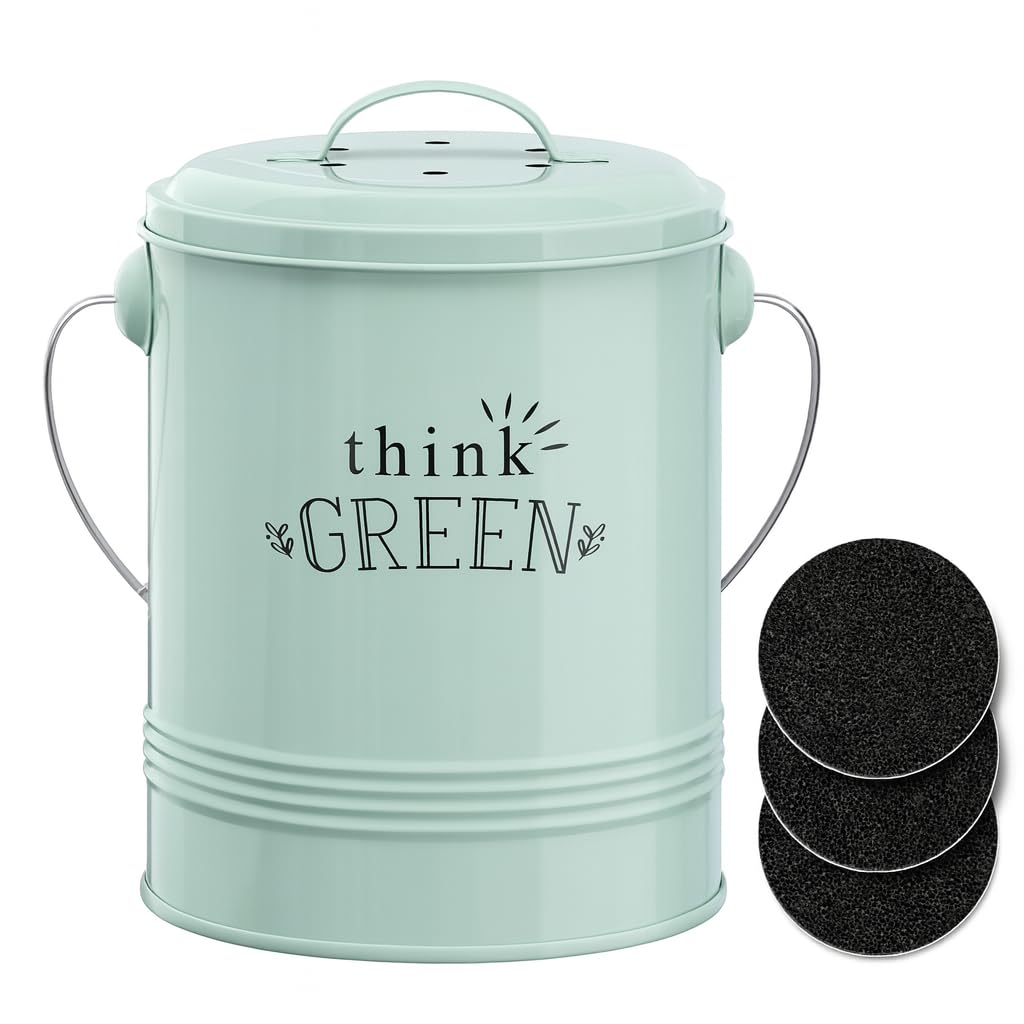
- Barnyard Designs Compost Bin – a 1.2‑gallon galvanized steel bin with three extra smell‑absorbing filters and a dishwasher‑safe inner bucket. It is rated 4.5 stars by 1,203 reviewers and is available for $21.95.
Comparison and Selection Guide
| Feature | Epica Countertop Compost Bin | Growell Electric Compost Bin | Barnyard Designs Compost Bin |
|---|---|---|---|
| Capacity | 1.3 gal (7.16" × 11") | 4 L (approximately 1.1 gal) | 1.2 gal (7" × 9.5") |
| Power Source | Passive (no electricity) | Electric motor with brushless technology | Passive |
| Odor Control | Activated‑charcoal filter (replaces every six months) | Dual carbon filters with 99.7 % odor interception | Three smell‑absorbing filters (replace every three months) |
| Cleaning | One‑piece molded stainless steel, rust‑resistant | Automatic cleaning mode; water‑plus‑button operation | Removable inner bucket, dishwasher safe |
| Price | $29.98 | $259.99 | $21.95 |
| Average Rating | 4.7/5 (20,657 reviews) | 5/5 (10 reviews) | 4.5/5 (1,203 reviews) |
Landlords seeking a low‑cost, low‑maintenance solution may prefer the Epica or Barnyard Designs models. Tenants who desire rapid waste reduction and are willing to invest in electricity may find the Growell unit advantageous. All three products meet the lease clause requirements for sealed lids and replaceable odor‑control filters.
Best Practices and Tips for Implementation
- Verify that the selected bin complies with the size limitation stated in the lease clause.
- Require the tenant to provide proof of purchase and filter replacement receipts during move‑in.
- Schedule quarterly inspections to check for moisture buildup, mold, or pest activity.
- Educate tenants on proper composting techniques, such as balancing greens and browns and avoiding meat or dairy residues.
- Maintain a written record of any maintenance actions taken by the tenant to protect against future disputes.
Frequently Asked Questions
1. Can a landlord require a specific brand of compost bin?
A landlord may specify performance criteria, such as capacity, sealed lid, and filter type, but mandating a particular brand could be viewed as unreasonable unless the brand is the only one meeting those criteria.
2. What happens if the compost bin causes water damage?
The lease clause should state that the tenant is responsible for any damage resulting from leaks, and the landlord may deduct repair costs from the security deposit.
3. Are electric composters allowed in all rental units?
Electric models require a dedicated outlet and may increase electricity usage; landlords should verify that the unit’s power draw complies with the building’s electrical code.
4. How often should carbon filters be replaced?
Manufacturers recommend replacement intervals ranging from three to six months depending on usage; tenants should document each replacement.
5. Can a landlord charge a fee for allowing a compost bin?
Yes, landlords may include a modest administrative fee in the lease, provided it is disclosed transparently and complies with local rent control regulations.
6. What if a tenant wants to remove the bin before lease termination?
The lease should require the tenant to return the property to its original condition, which may involve cleaning the countertop and disposing of the bin responsibly.
Conclusion
Allowing countertop composters can enhance tenant satisfaction and contribute to environmental stewardship, provided that clear lease language and proper maintenance standards are established. By using the sample clause, comparing reputable products, and following the best‑practice checklist, landlords can mitigate risk while supporting sustainable living. The approach outlined in this guide balances legal responsibility with the growing demand for green amenities.
Products Featured in This Guide
Epica Countertop Compost Bin
Price: $29.98 | Rating: 4.7/5 (20,657 reviews)
Featured because it meets lease size limits, offers a stainless‑steel sealed design, and includes a replaceable activated‑charcoal filter for odor control.
Growell Electric Compost Bin
Price: $259.99 | Rating: 5/5 (10 reviews)
Featured because it provides rapid volume reduction, dual carbon filters with a 99.7 % odor interception rate, and an automatic cleaning mode that simplifies tenant maintenance.
Barnyard Designs Compost Bin
Price: $21.95 | Rating: 4.5/5 (1,203 reviews)
Featured because it offers a compact galvanized‑steel construction, three extra smell‑absorbing filters, and a dishwasher‑safe inner bucket for easy cleaning.