The Complete Guide to Maintenance SLAs for Apartment Countertop Composters: Templates, KPIs & Tenant Responsibilities
Introduction
This guide explains how property managers can create, enforce, and optimise Service Level Agreements (SLAs) for countertop composters in multi‑family dwellings. Readers will learn the essential components of an SLA, key performance indicators (KPIs) that measure success, and the responsibilities that tenants must fulfil to maintain a healthy composting environment.
The document also recommends two practical products that support efficient composting while minimising odour and waste. By the end of the article, managers will possess a ready‑to‑use template, a clear metric framework, and actionable best‑practice tips.
Background and Context
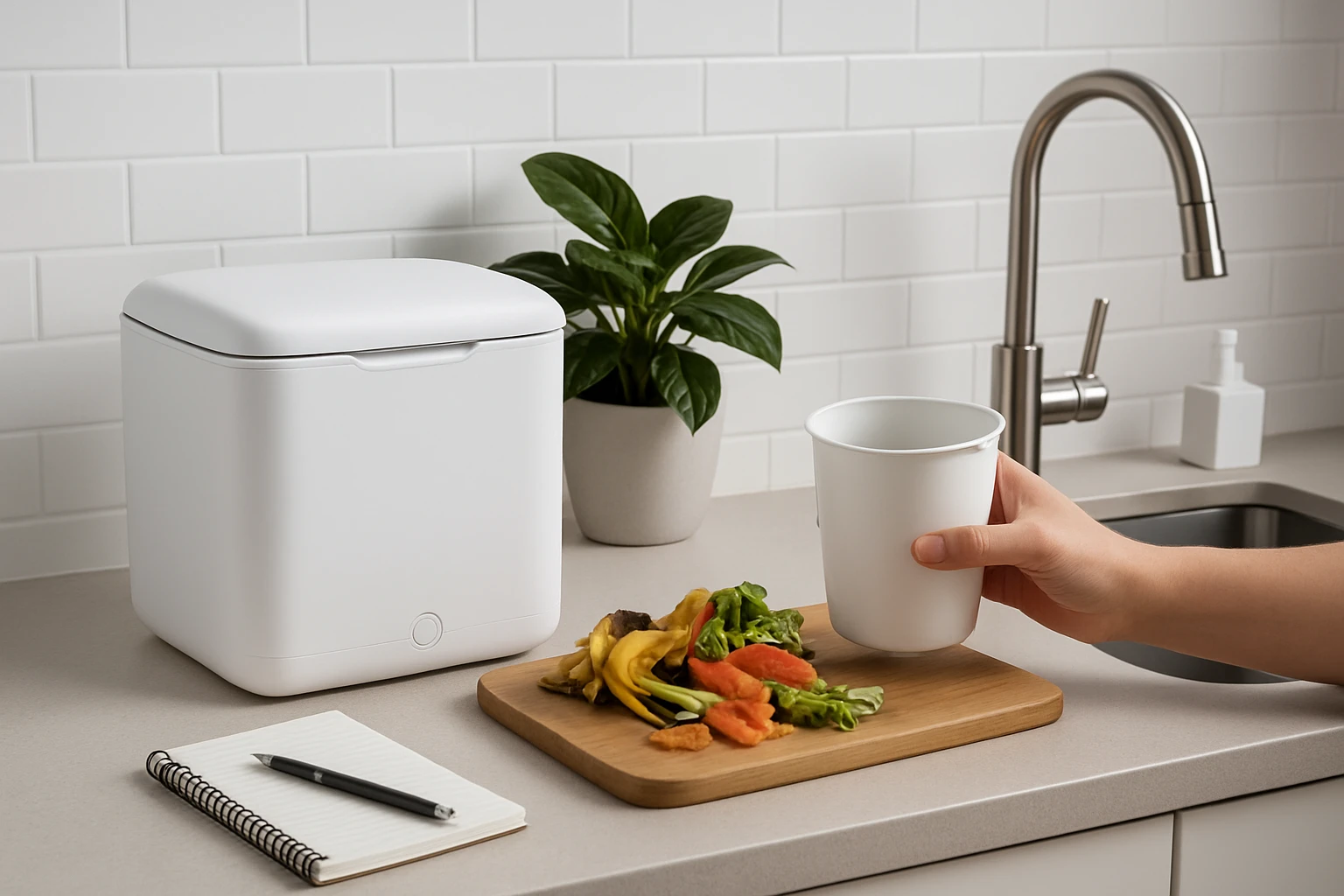
Composting in apartments reduces organic waste sent to landfills and aligns with sustainability goals demanded by modern residents. Countertop composters are small, sealed containers that collect food scraps until they can be transferred to a larger outdoor system. Because the devices operate in shared kitchens, consistent maintenance is critical to prevent odour, pest attraction, and cross‑contamination.
An SLA is a formal contract that defines the level of service a property manager will provide, the frequency of service, and the penalties for non‑compliance. In the context of composters, an SLA typically covers collection, cleaning, filter replacement, and tenant education.
Key terms include:
- Service Window: The time period within which a maintenance task must be completed after a request.
- Uptime: The percentage of time the composting system is operational and free from odour complaints.
- KPIs: Quantifiable metrics such as odour incidents per month or filter replacement compliance rate.
Key Concepts and Strategies
1. Defining SLA Scope
The SLA should outline the specific composting units covered, the locations (e.g., each kitchen counter), and the services provided. Typical scope items include:
- Weekly removal of accumulated waste from the countertop bin.
- Monthly cleaning of the bin interior and exterior surfaces.
- Quarterly replacement of activated charcoal filters.
- Annual inspection of the bin’s structural integrity.
Clear scope prevents disputes and ensures that tenants understand the limits of the service.
2. Establishing Measurable KPIs
KPIs translate the SLA into observable performance. For composters, the most relevant KPIs are:
- Odour Incident Rate: Number of complaints per month divided by total units.
- Filter Replacement Compliance: Percentage of bins where the charcoal filter is replaced on schedule.
- Waste Collection Timeliness: Percentage of collection tasks completed within the agreed service window.
- Tenant Participation Rate: Proportion of tenants who correctly separate compostable waste.
Each KPI should have a target value (e.g., odour incident rate < 2%).
3. Tenant Responsibilities
Tenants play a vital role in maintaining system effectiveness. Their duties typically include:
- Depositing only approved food scraps into the bin.
- Securing the lid after each use to maintain a sealed environment.
- Replacing the charcoal filter cartridge every three to four months, as recommended by the manufacturer.
- Reporting spills or malfunctions promptly via the property management portal.
Providing clear, printed guidelines in each unit encourages compliance.
4. Recommended Products
Choosing durable, odour‑controlling bins and reliable compostable bags reduces the frequency of service calls. The following products have been selected based on durability, user ratings, and ease of maintenance.
Holismo Countertop Compost Bin offers a rust‑resistant galvanized steel body, a 1.3‑gallon capacity, and a replaceable activated charcoal filter that lasts three to four months. Its 4.3‑star rating from 327 reviews indicates strong user satisfaction.
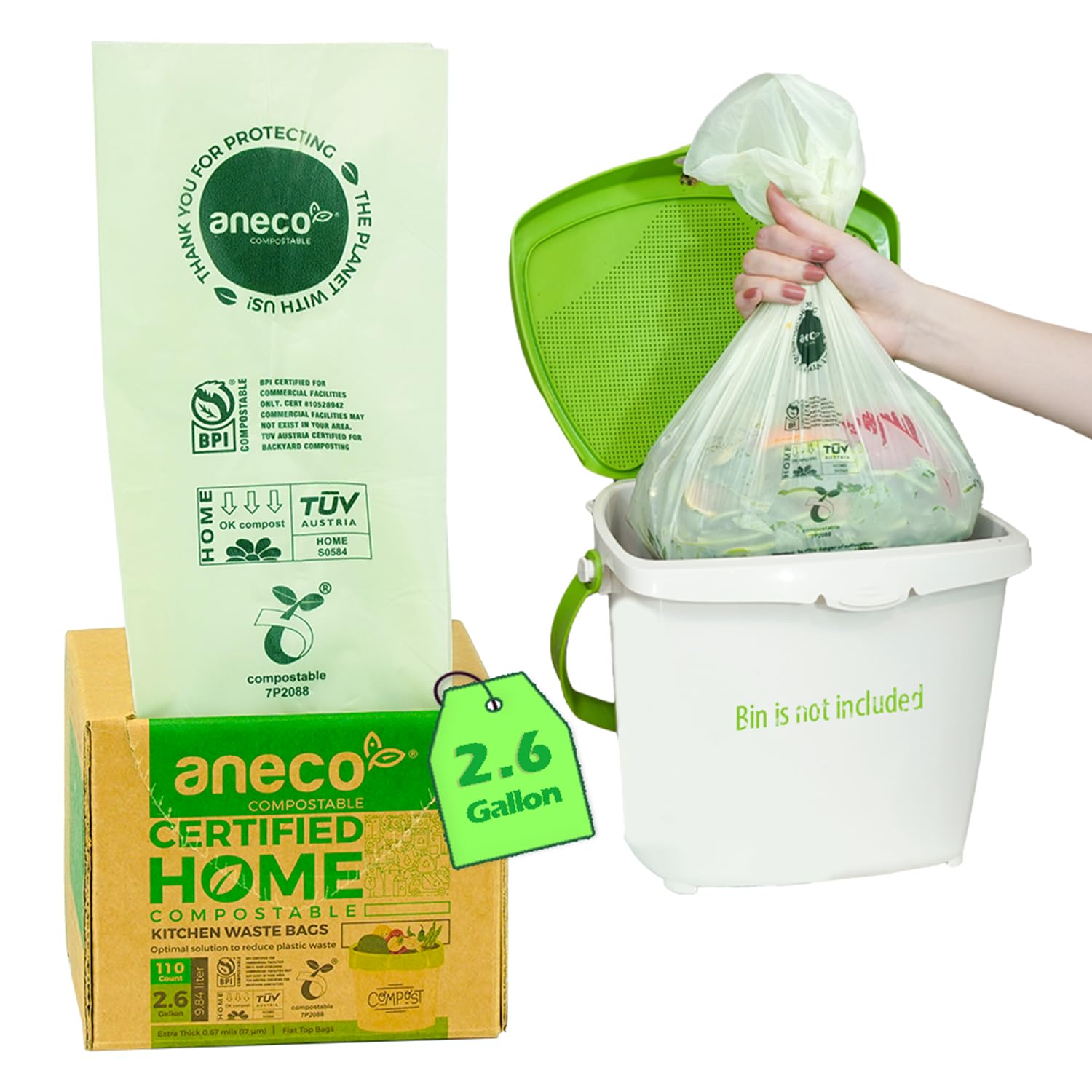
ANECO Compostable Kitchen Bags provide 110 extra‑thick, 2.6‑gallon bags that meet ASTM D6400 standards. The bags decompose within 6‑12 months and are certified by OK Compost Home, BPI, and the Seedling Logo, ensuring confidence for both home and industrial composting pathways.
Comparison and Selection Guide
When selecting a countertop composter for an apartment complex, managers should evaluate the following criteria:
| Criterion | Holismo Countertop Compost Bin | ANECO Compostable Kitchen Bags |
|---|---|---|
| Material Durability | Galvanized iron with epoxy coating; rust‑resistant. | Plant‑based corn starch; biodegradable, not reusable. |
| Capacity | 1.3 Gal (5 L) suitable for a week’s worth of scraps. | 2.6 Gal per bag; 110 bags provide ample supply. |
| Odour Control | Activated charcoal filter cartridge (replaceable every 3‑4 months). | Bag material is neutral; does not emit odour. |
| Ease of Maintenance | Handles for safe disposal; filter replacement is straightforward. | Simple bag swap; no mechanical parts. |
| Cost per Unit | $21.99. | $15.95 for 110 bags (approximately $0.15 per bag). |
| User Rating | 4.3/5 from 327 reviews. | 4.5/5 from 5,032 reviews. |
For properties that prioritise long‑term durability and odour mitigation, the Holismo bin is the optimal choice. For locations where bag turnover is high and cost per use is a priority, the ANECO bags complement any bin by providing a reliable, compost‑grade liner.
Best Practices & Tips
Beyond product selection, the following practices improve SLA performance:
- Standardised Training: Conduct quarterly onboarding sessions for new tenants that demonstrate proper waste segregation and filter replacement.
- Visual Reminders: Place laminated quick‑reference cards on refrigerator doors outlining acceptable scraps and filter change dates.
- Digital Tracking: Use a property‑management software module to log each service event, automatically calculate KPI values, and trigger alerts when targets are missed.
- Proactive Inspections: Schedule bi‑annual audits of bin integrity; replace rust‑prone components before failure.
- Feedback Loop: Encourage tenants to submit odour or leakage reports via a mobile app; analyse trends to adjust service frequency.
Implementing these steps reduces the likelihood of complaints and extends the useful life of the composting equipment.
Frequently Asked Questions
- What is a reasonable service window for waste removal? Most property managers adopt a 24‑hour window after the bin reaches 75% capacity. This timeframe balances tenant convenience with odour control.
- How often should the charcoal filter be replaced? Manufacturer guidance for the Holismo bin recommends replacement every three to four months, or sooner if odour persists.
- Can the compostable bags be used in regular trash bins? Yes, the ANECO bags are compatible with standard 2.6‑gallon trash cans, but they perform best when paired with a sealed compost bin to prevent moisture leakage.
- What penalties are typical for SLA breaches? Common penalties include service credits for the affected unit, or a temporary reduction in rent if odour complaints exceed the agreed threshold.
- How is KPI data reported to tenants? Transparency builds trust; monthly dashboards posted in the resident portal show odour incident rates, collection timeliness, and filter compliance percentages.
Conclusion
Effective maintenance SLAs for apartment countertop composters require clear scope definition, measurable KPIs, and active tenant participation. By adopting the template and best‑practice recommendations presented herein, property managers can achieve high uptime, low odour incidence, and sustainable waste reduction. The featured products—Holismo Countertop Compost Bin and ANECO Compostable Kitchen Bags—provide reliable hardware that aligns with SLA goals, ensuring a smooth operation for both managers and residents.
Products Featured in This Guide
Holismo Countertop Compost Bin
Price: $21.99 | Rating: 4.3/5 (327 reviews)
Featured because it offers a rust‑resistant galvanized body, 1.3 Gal capacity, and a replaceable charcoal filter that supports odour‑free indoor composting—key elements for meeting SLA odour‑control KPIs.
ANECO Compostable Kitchen Bags
Price: $15.95 | Rating: 4.5/5 (5,032 reviews)
Featured because the bags are 100% compostable, ASTM D6400 certified, and supplied in a bulk pack of 110, reducing the frequency of bag‑related service calls and supporting sustainable waste handling within the SLA framework.
