Introduction
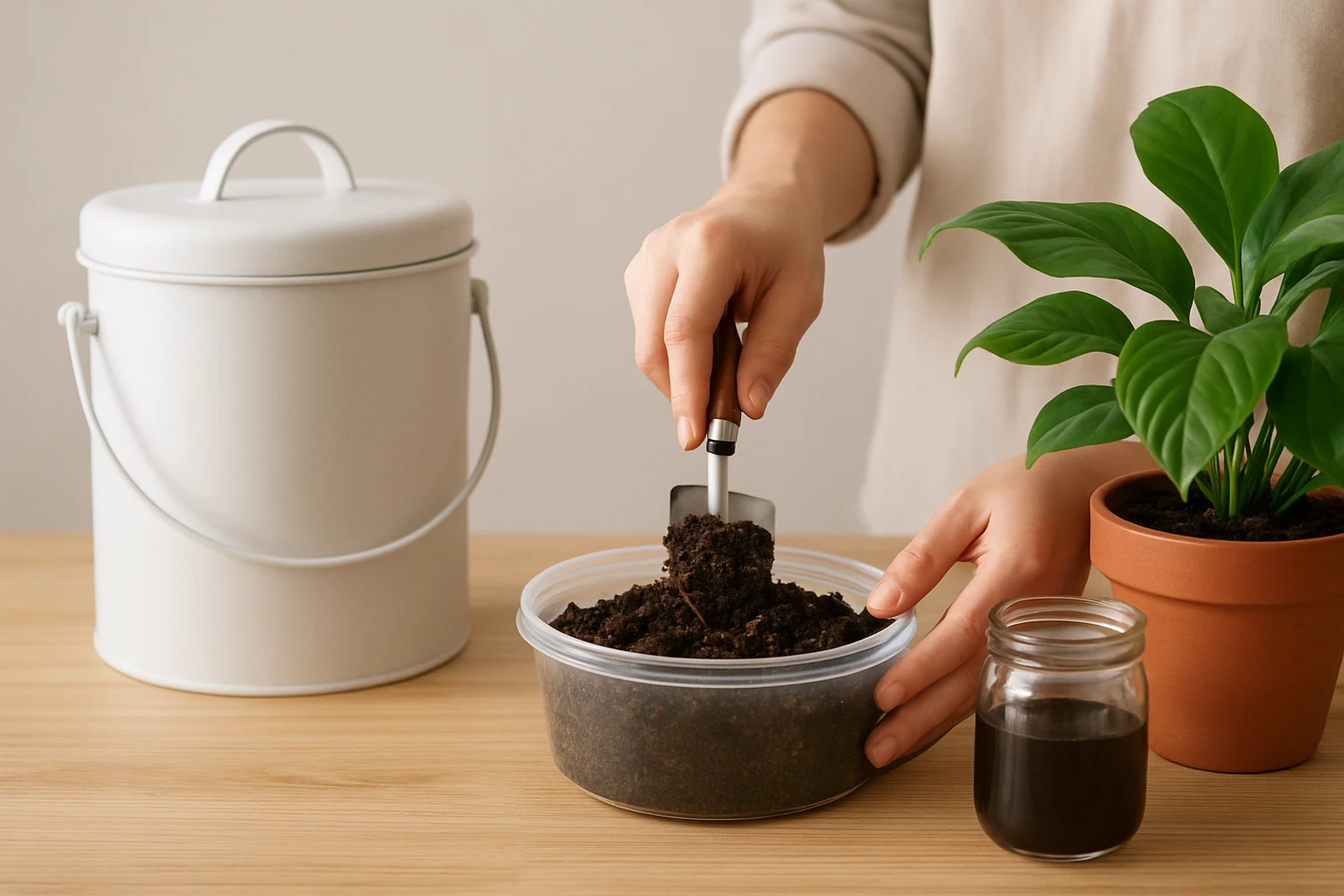
Indoor gardening thrives on consistent, balanced nutrition. This guide teaches readers how to transform the output of a countertop compost bin into a potent, liquid houseplant fertilizer. By following the steps, one will learn to capture, process, and apply nutrient‑rich compost tea, improving foliage vigor, root health, and overall plant resilience. The method uses affordable tools, integrates recommended products, and remains practical for gardeners who prefer a low‑maintenance, sustainable approach.
What You’ll Need
- A countertop compost bin (any small, ventilated container).
- Utopia Home White Plant Pots – set of five sizes for collecting and storing compost output.
- R&M Organics Compost – 10‑lb bag of nutrient‑rich organic compost to boost microbial activity.
- Black Kow Composted Cow Manure – 8‑qt container for enhancing soil structure and moisture retention.
- Stirring stick or small whisk, fine mesh strainer, clean spray bottle, and a measuring cup.
Step 1: Prepare Your Countertop Composter
The first task is to set up a small, odor‑controlled compost bin on the kitchen counter. Choose a container with a lid and ventilation holes to maintain aerobic conditions. Place a layer of shredded newspaper or paper towels at the bottom to absorb excess moisture. Add kitchen scraps such as fruit peels, vegetable trimmings, and coffee grounds, avoiding meat or dairy.
To keep the compost tidy and to separate finished material from active material, use the Utopia Home White Plant Pots. The set includes five sizes ranging from 4.8 in to 7 in in diameter, each with a matching saucer and a smart drainage system. The reinforced PP plastic prevents cracking, while the drainage plugs avoid waterlogging, which could otherwise cause unpleasant odors. Priced at $23.98, the pots provide a clean, aesthetic way to collect the dark, crumbly compost that is ready for use.
Why use these pots? Their minimalist design saves countertop space, and the variety of sizes allows you to store different batches separately, reducing cross‑contamination. The patented drainage ensures the compost remains aerated, preserving the beneficial microbes essential for a high‑quality fertilizer.
Step 2: Enrich the Compost with Organic Matter
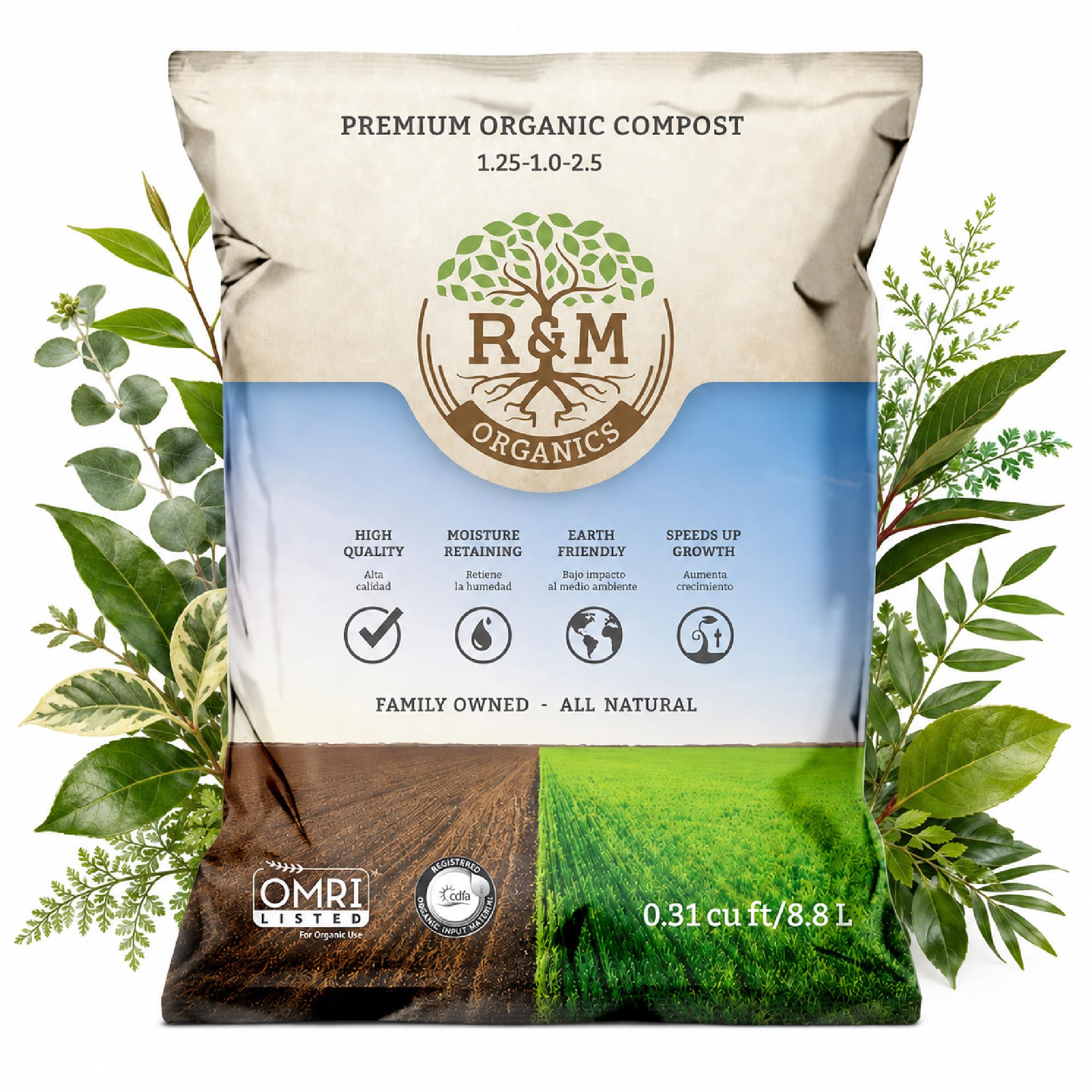
After two weeks, the compost should be dark, crumbly, and emit an earthy scent. To accelerate microbial activity and increase nutrient density, mix in R&M Organics Compost. This 10‑lb bag, priced at $22.04, is made from dairy cow manure and has a 4.7‑star rating from over 500 reviewers. Its low odor and fully composted nature make it safe for indoor use.
Blend approximately one cup of the R&M compost into each pot of finished kitchen waste. The manure‑based material supplies nitrogen, phosphorus, and potassium, while the existing kitchen scraps contribute micronutrients and organic acids that stimulate beneficial bacteria. The result is a richer substrate that, when steeped, releases a balanced spectrum of nutrients suitable for foliage plants, flowering indoor species, and even succulents.
Stir the mixture with a wooden spoon or whisk for two minutes to ensure even distribution. The added organic matter also improves the structure of the compost, making it less prone to compacting when stored in the Utopia pots.
Step 3: Brew Liquid Compost Tea
Liquid fertilizer, commonly called compost tea, is created by steeping the enriched compost in water. Fill a clean bucket or large bowl with one gallon of lukewarm (room‑temperature) water. Add the contents of one Utopia pot (approximately 2 cups of enriched compost) to the water.
Cover the container with a breathable cloth and let it steep for 24 hours, stirring gently every six hours. During this period, the microorganisms multiply, converting solid nutrients into soluble forms that plants can readily absorb. The smart drainage holes of the Utopia pots prevent excess water from pooling, ensuring the tea remains aerated and does not become anaerobic.
After 24 hours, strain the liquid through a fine mesh strainer into a clean container. The resulting dark, fragrant tea is a concentrated source of nitrogen, phosphorus, potassium, and trace elements. For added soil conditioning, you may incorporate a small amount (about ¼ cup) of Black Kow Composted Cow Manure into the tea before straining. Priced at $18.99 and rated 4.5 stars, Black Kow provides moisture‑holding capacity and beneficial bacteria that further enhance the tea’s potency.
Step 4: Dilute and Apply to Houseplants
Compost tea is highly concentrated; most indoor plants thrive when the solution is diluted to a weak tea strength. Use a ratio of one part tea to ten parts water (approximately 100 ml of tea per litre of water). Transfer the diluted solution into a clean spray bottle for foliar feeding or a watering can for root feeding.
Apply the fertilizer once every two weeks during the growing season. Spray the leaves until they are lightly misted, focusing on the underside where stomata are abundant. For potted plants, water the soil until it is evenly moist, allowing the nutrient‑rich water to percolate through the root zone.
Because the tea contains organic matter, it can slightly cloud the water. This is normal and indicates that beneficial microbes are present. Over time, you will notice darker green foliage, increased leaf size, and more vigorous flowering.
Step 5: Store Remaining Compost and Maintain the System
Any unused compost tea can be stored in a sealed glass jar in the refrigerator for up to one week. Keep the Utopia pots sealed with their lids to preserve the remaining compost’s freshness. Add a thin layer of fresh kitchen scraps to the top of the stored compost every few days to maintain aerobic conditions.
Periodically refresh the system by replacing a portion of the old compost with fresh material and a new scoop of R&M Organics Compost. This practice prevents nutrient depletion and ensures a continuous supply of high‑quality fertilizer.
Tips & Pro Tips
- Use filtered or rainwater for brewing tea; chlorine in tap water can inhibit microbial activity.
- Maintain a temperature of 68‑75 °F (20‑24 °C) during steeping; warmer temperatures accelerate microbial growth.
- For a faster brew, add a small amount of unsulfured black tea (1 teaspoon) to provide additional carbon for microbes.
- Never apply undiluted tea directly to plant leaves; the high concentration can cause leaf burn.
- Combine the tea with a light foliar spray of neem oil for integrated pest management.
Troubleshooting
| Problem | Possible Cause | Solution |
|---|---|---|
| Foul odor | Anaerobic conditions | Stir more frequently, ensure proper drainage in Utopia pots, and add fresh aerating material. |
| Tea is excessively cloudy | Too much solid material | Strain through a finer mesh or add an extra 12‑hour settling period. |
| Leaf yellowing after application | Over‑concentration | Increase dilution ratio to 1:15 and reduce application frequency. |
Conclusion
By following this step‑by‑step guide, one can convert everyday kitchen waste into a powerful, organic fertilizer for houseplants. The process leverages the microbial richness of compost, the nutrient density of R&M Organics Compost, and the moisture‑retaining benefits of Black Kow Composted Cow Manure, all organized within the sleek, space‑saving Utopia Home White Plant Pots. Consistent use will result in healthier foliage, more abundant blooms, and a greener indoor environment.
Products Mentioned in This Guide
Utopia Home White Plant Pots
Price: $23.98
Features: Five sizes, reinforced PP plastic, smart drainage system, includes matching saucers.
R&M Organics Compost
Price: $22.04
Rating: 4.7/5.0 (502 reviews)
Features: Dairy‑cow‑manure based, low odor, moisture retention, 10‑lb bag.
Black Kow Composted Cow Manure
Price: $18.99
Rating: 4.5/5.0 (403 reviews)
Features: Moisture‑holding, aeration for clay soils, contains beneficial bacteria, 8‑qt container.
Frequently Asked Questions
How do I turn countertop compost output into liquid fertilizer for houseplants?
Collect the compost liquid, dilute it with water (usually 1:5 ratio), stir, and apply to soil or as a foliar spray.
What ratio of compost tea to water gives the best results?
A common safe ratio is one part compost tea to five parts water; adjust based on plant sensitivity.
Do I need to add extra nutrients like R&M Organics Compost or Black Kow manure?
Yes, mixing a small amount of organic compost or cow manure boosts microbial activity and nutrient density in the tea.
How often should I apply homemade compost fertilizer to indoor plants?
Apply once every 2‑4 weeks during the growing season, reducing frequency in winter months.
Can I store the prepared compost tea for later use?
Store it in a sealed container in the refrigerator for up to one week, shaking before each use.

