How to Test for Pathogen in Processed Compost: Step‑by‑Step Guide to Detect E. coli, Salmonella & Fecal Coliforms
Introduction
The safety of processed compost is essential for agricultural productivity and public health. This guide will teach the reader how to collect representative samples, prepare them for analysis, and apply reliable testing methods to detect E. coli, Salmonella and fecal coliforms. By following the procedures, one can verify that compost meets regulatory standards and is safe for use on food crops. The information presented is practical, evidence‑based and suitable for both small‑scale growers and commercial operators.
What You Will Need
A concise list of tools and consumables is provided below. Each product is linked to its Amazon page for convenience, but the guide remains functional without purchase.
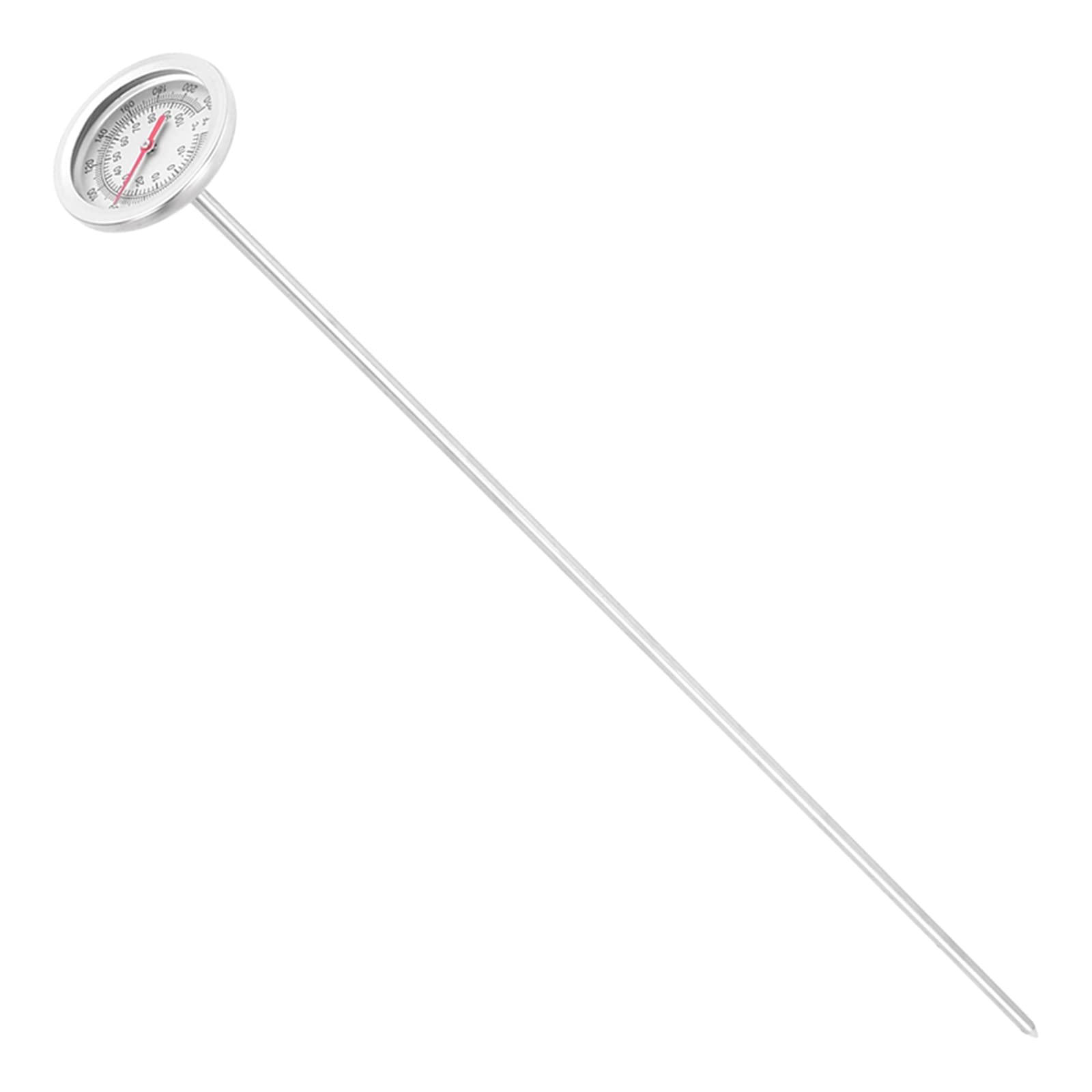
- Ljhnba Compost Soil Tester – stainless‑steel probe, mechanical dial, no battery required (price $13.38, rating 5/5).
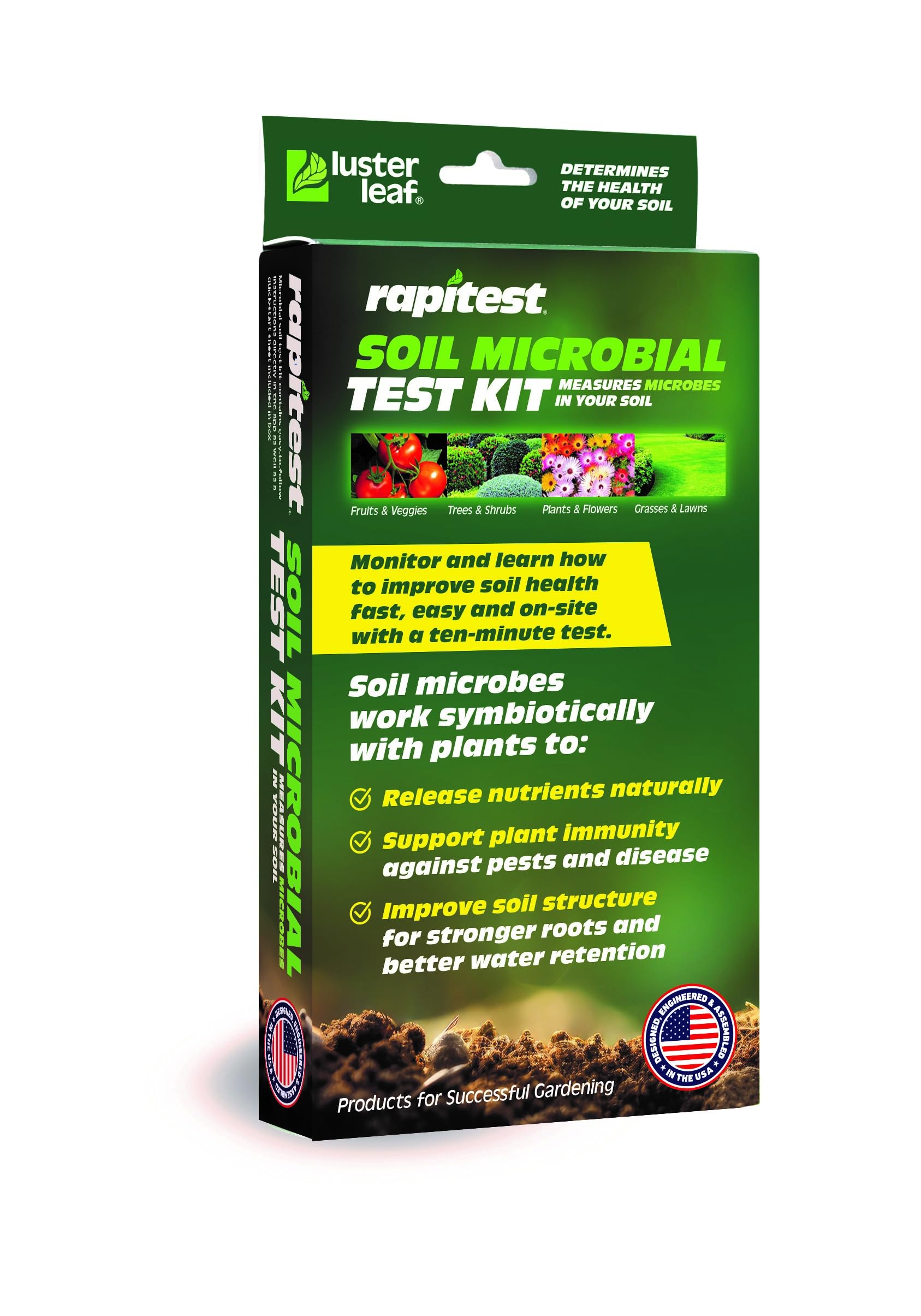
- Rapitest Soil Microbial Test Kit – app‑guided microbial assay for five tests (price $24.99, rating 4.5/5).
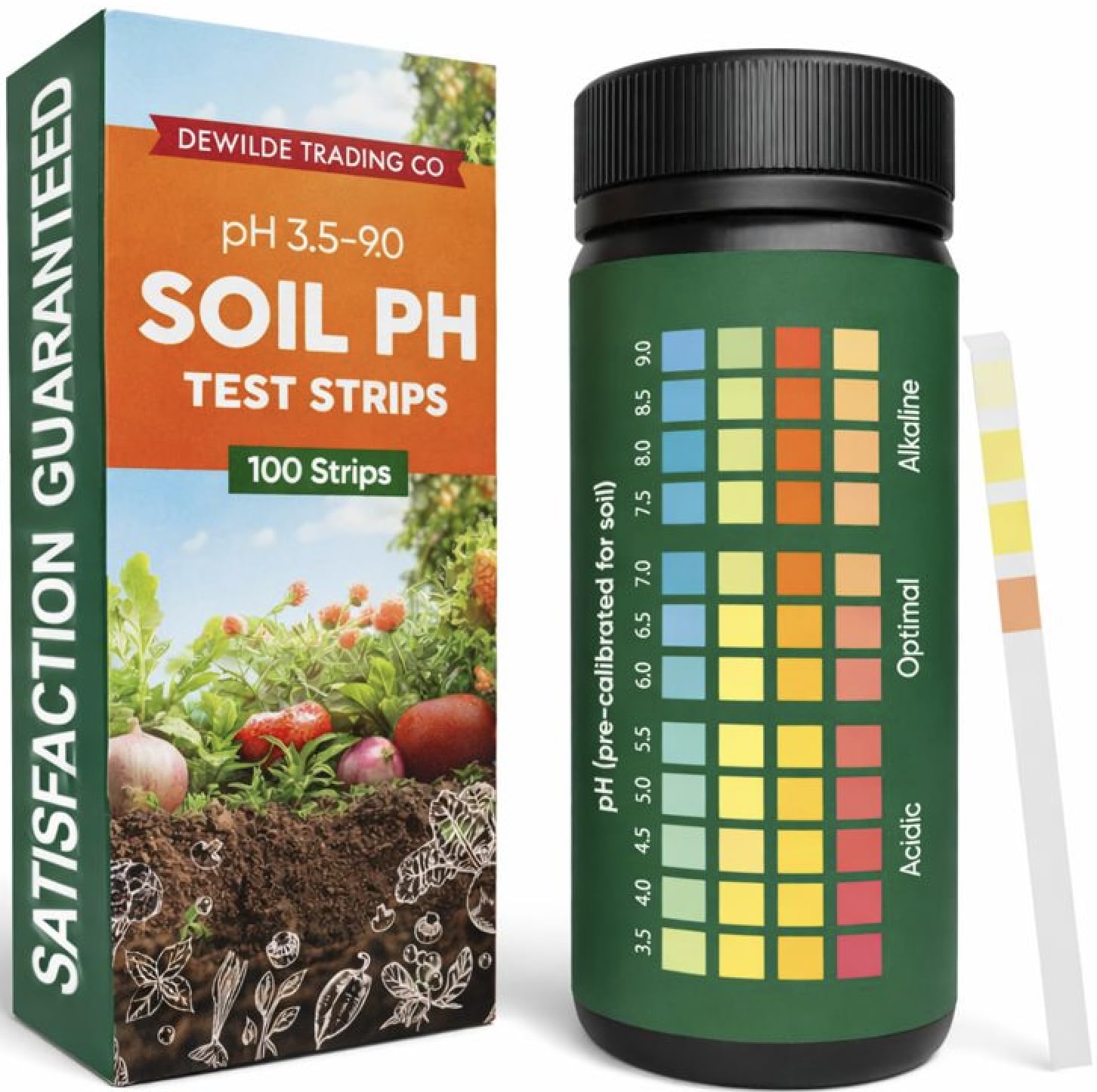
- Dewilde Soil pH Test Strips – 100 strips covering pH 3.5‑9 (rating 4.3/5).
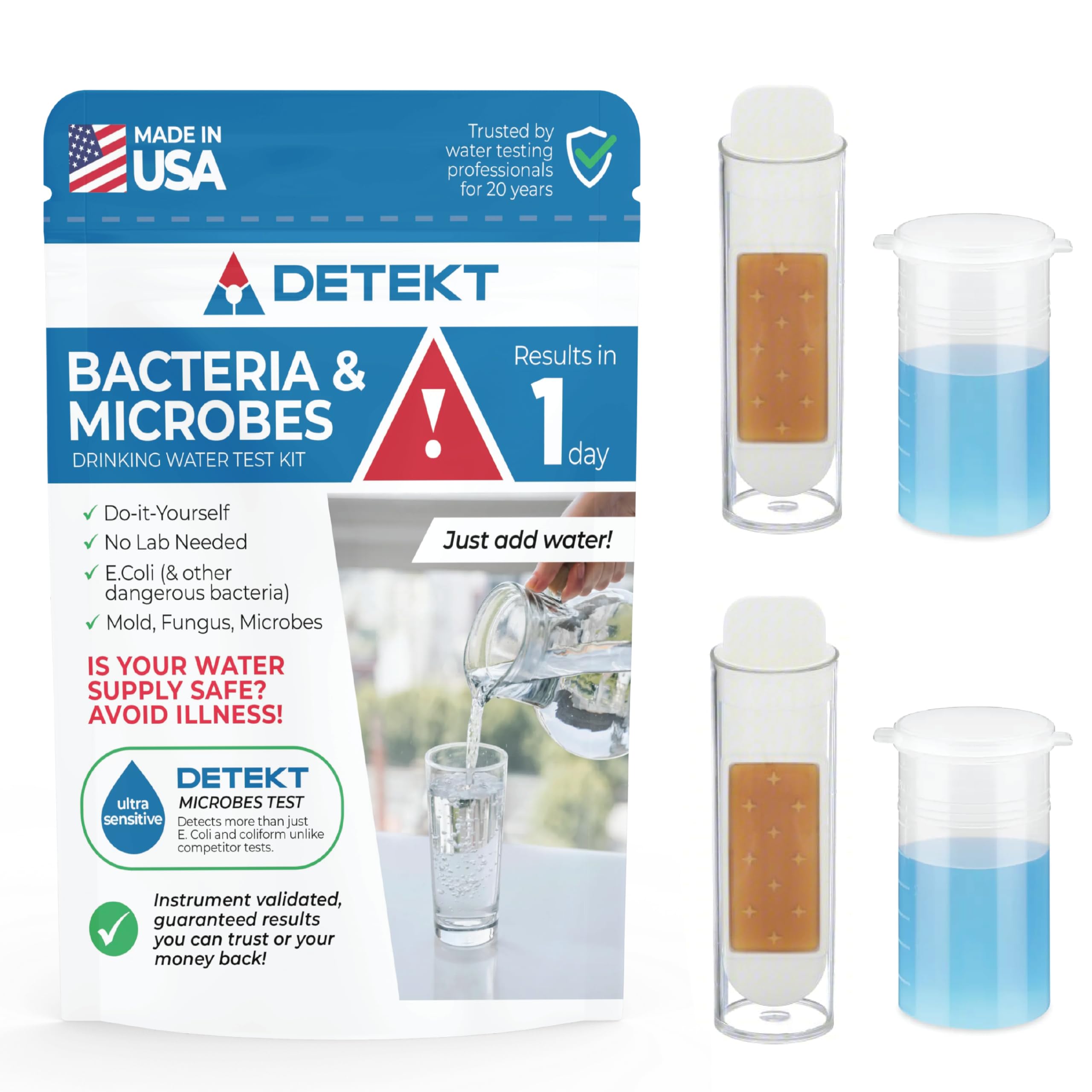
- Detekt Bacteria Water Test Kit – detects bacteria and mold in water samples (price $22.99, rating 4.3/5).
- Sterile sampling bags, disposable gloves, graduated cylinders, distilled water, and a clean workspace.
Step 1: Collect a Representative Compost Sample
Begin by selecting several locations within the compost pile to capture variability. Insert the Ljhnba Compost Soil Tester probe 3‑5 inches deep to measure temperature, confirming that the material is at the recommended thermophilic range (55‑65 °C). Record the temperature reading; a uniform high temperature indicates adequate pathogen reduction.
Using sterile gloves, extract approximately 500 g of material from each selected zone and place it into a sterile sampling bag. Mix the subsamples thoroughly to create a composite sample. This composite approach reduces sampling bias and provides a more accurate assessment of pathogen presence.
Label the bag with the collection date, location and ambient temperature. Proper labeling ensures traceability and compliance with documentation requirements.
Step 2: Prepare a Compost Extract for Testing
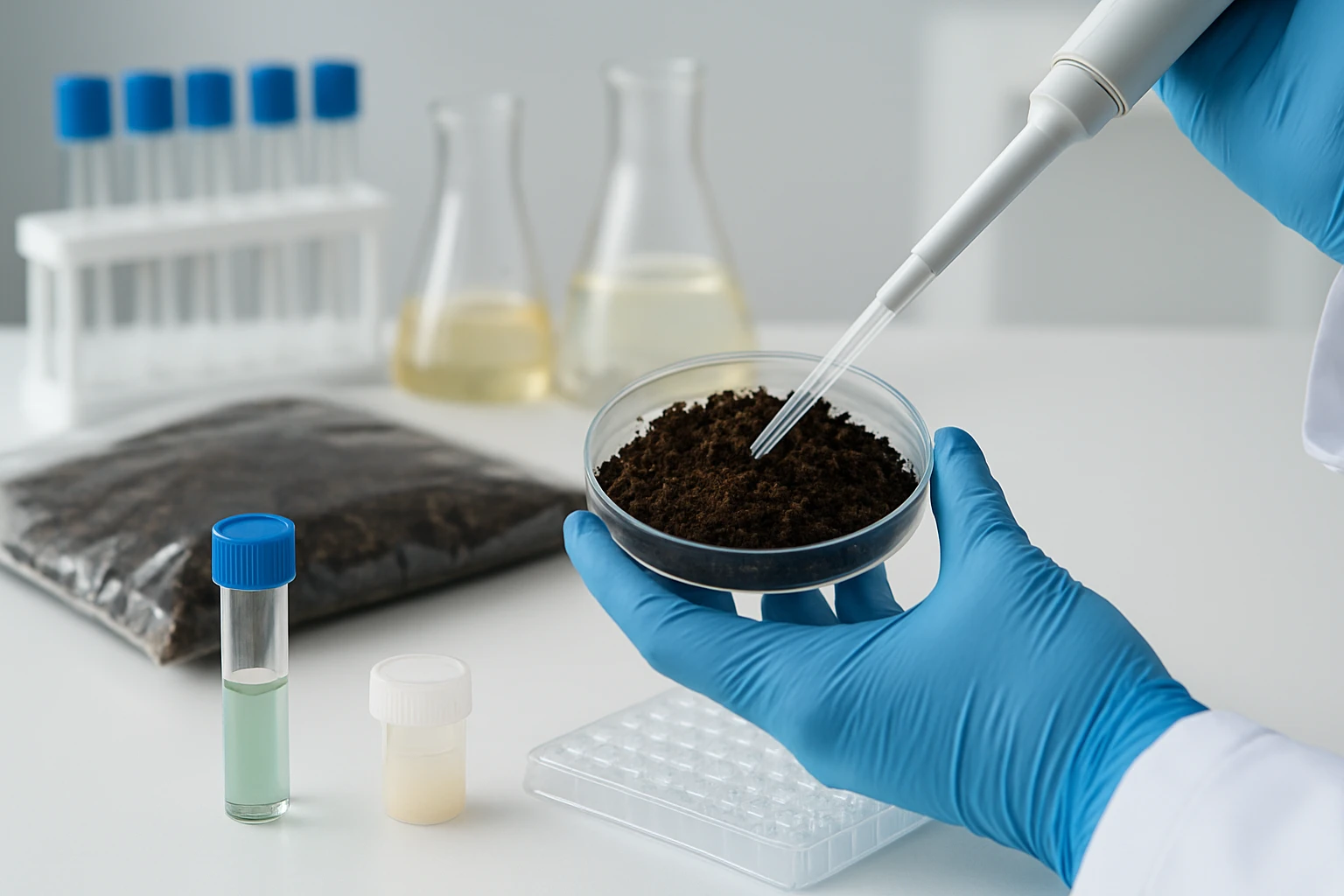
Transfer 100 g of the composite sample into a clean container. Add 900 mL of distilled water to achieve a 1:10 dilution, which is standard for microbial assays. Stir the mixture vigorously for two minutes to release microorganisms into the liquid phase.
Allow the suspension to settle for five minutes, then decant the supernatant into a sterile graduated cylinder. This liquid extract will serve as the input for both the microbial test kit and the water‑based bacteria test.
Measure the pH of the extract using the Dewilde Soil pH Test Strips. Accurate pH measurement is critical because extreme pH values can inhibit pathogen growth and affect assay performance. Record the pH; a range of 6.0‑7.5 is optimal for most microbial tests.
Step 3: Conduct a Rapid Microbial Screening with Rapitest
The Rapitest Soil Microbial Test Kit provides a smartphone‑guided protocol that identifies microbial activity and estimates fecal coliform levels. Open the kit and locate the five test vials designated for coliform detection.
Add 10 mL of the compost extract to each vial, following the kit’s color‑coded instructions. Seal the vials and place them in the supplied incubation tray for the recommended 10‑minute reaction period. The app will prompt the user to capture an image of each vial; the software then interprets the color change to quantify microbial biomass.
Interpret the results according to the app’s guidelines. A high coliform index suggests incomplete pathogen inactivation and warrants further investigation. Document the numeric values and any recommended remedial actions.
Step 4: Confirm Presence of Specific Pathogens with Detekt Kit
While the Rapitest kit offers a broad indication of microbial load, the Detekt Bacteria Water Test Kit is designed to detect specific bacterial groups, including coliforms and E. coli, in water‑based samples. Transfer 100 mL of the compost extract into the kit’s test chamber.
Insert the provided test strip and seal the chamber. The kit’s proprietary media will react with bacterial enzymes, producing a visible line if target organisms are present. Results are visible within 72 hours, offering a confirmatory assessment that complements the rapid Rapitest screening.
Record the presence or absence of each target organism. If E. coli or Salmonella is detected, the compost must undergo additional thermophilic treatment or be discarded according to local regulations.
Step 5: Interpret Results and Take Action
Combine the temperature data, pH measurement, rapid microbial index, and confirmatory bacterial test to evaluate compost safety. Ideal outcomes include a temperature above 55 °C for at least three days, a neutral pH, low coliform index, and no detection of E. coli or Salmonella.
If any parameter falls outside acceptable limits, implement corrective measures. Increase the thermophilic phase by turning the pile, adjust moisture content to 50‑60 %, and re‑test after a minimum of 48 hours. Documentation of each corrective cycle is essential for audit trails.
When all parameters meet the required standards, label the compost batch as pathogen‑free and ready for distribution.
Tips & Pro Tips
- Always wear sterile gloves and work in a clean environment to avoid cross‑contamination.
- Perform pH testing before microbial assays; extreme pH can produce false‑negative results.
- Use the Ljhnba Compost Soil Tester to verify that the compost has maintained the necessary temperature throughout the testing period.
- Store all reagents and test kits at room temperature away from direct sunlight to preserve their efficacy.
- Maintain a detailed logbook that records temperature, pH, assay results, and any corrective actions taken.
Troubleshooting
| Problem | Possible Cause | Solution |
|---|---|---|
| No color change in Rapitest vials | Insufficient microbial activity or expired reagents | Verify reagent expiration date, ensure proper mixing of extract, and repeat the test with a fresh kit. |
| Detekt kit shows ambiguous lines | Improper sealing of the test chamber | Re‑seal the chamber tightly and allow the full 72‑hour incubation period. |
| pH strip reads outside 3.5‑9 range | Sample not properly diluted | Re‑prepare the extract using the 1:10 dilution protocol and retest. |
Conclusion
This guide has outlined a systematic approach to assess processed compost for E. coli, Salmonella and fecal coliforms. By integrating temperature verification, pH assessment, rapid microbial screening and confirmatory bacterial testing, one can ensure compliance with safety standards. Consistent documentation and adherence to corrective actions will protect public health and maintain product credibility.
Products Mentioned in This Guide
Frequently Asked Questions
What are the most common pathogens screened for in processed compost?
The primary targets are E. coli, Salmonella, and fecal coliform bacteria.
How many samples should I collect to ensure a reliable pathogen test?
Collect at least three representative samples from different areas and combine them into a composite sample.
Which laboratory method is recommended for detecting Salmonella in compost?
Use a selective enrichment step followed by PCR or culture on XLD agar for accurate Salmonella identification.
Can a handheld compost soil tester replace lab analysis for pathogen detection?
No; handheld testers assess pH and nutrients but cannot detect microbial pathogens like E. coli or Salmonella.
What are the typical regulatory limits for E. coli in compost applied to food crops?
Most guidelines set a maximum of 1,000 CFU per gram of dry compost, though limits can vary by jurisdiction.